

Eco-friendly period kit items are reusable or biodegradable menstrual products designed to reduce environmental waste while keeping you comfortable and protected. The industry term for this category is sustainable menstrual products, and it covers everything from medical-grade silicone cups to GOTS-certified organic cotton pads. A single reusable menstrual cup can last up to 10 years, preventing roughly 75 lbs of landfill waste per person over its lifespan. That number puts the impact of one small product choice into sharp focus. Whether you are building a kit for yourself, your daughter, or your whole household, this guide walks you through every category worth knowing.
1. Core eco-friendly period kit items: reusable products
Reusable products form the foundation of any sustainable menstrual kit. They cost more upfront but pay back that investment quickly in both savings and waste reduction.
Menstrual cups and discs
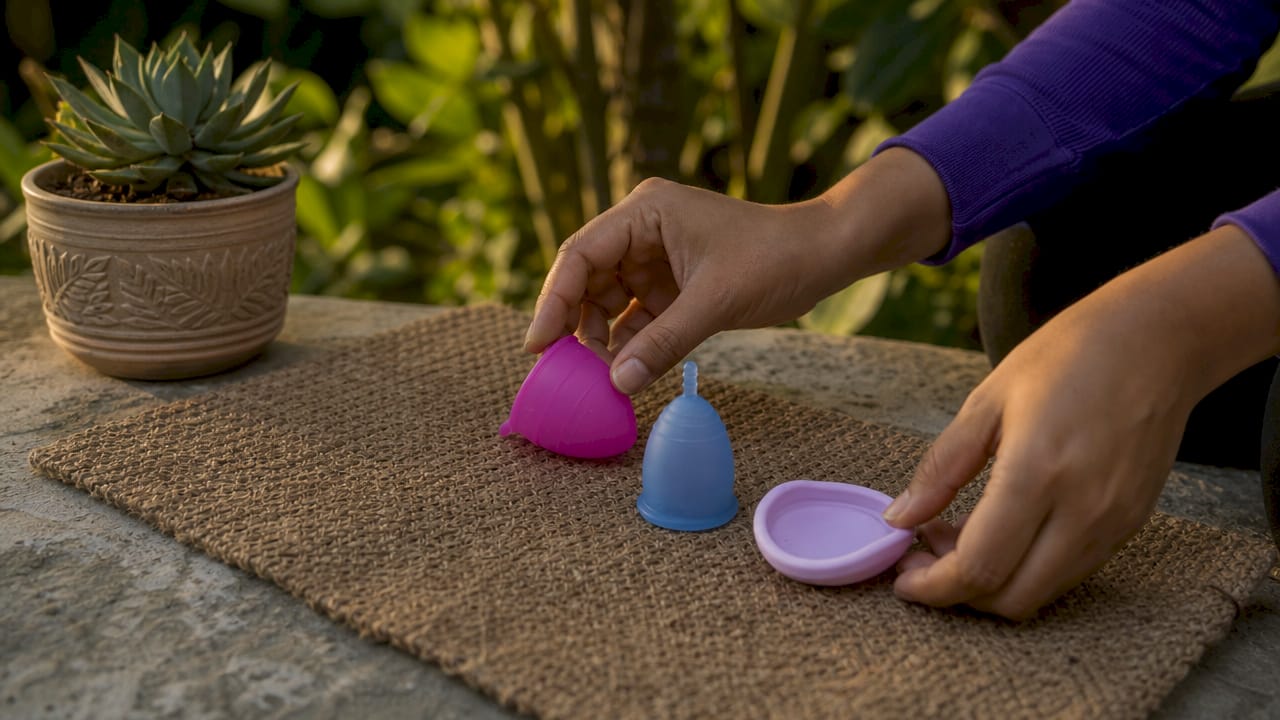
Menstrual cups and discs are made from medical-grade silicone, free of hormone-disrupting chemicals, fragrances, and chlorine bleach. Material safety matters as much as sustainability. Conventional disposable products may contain endocrine disruptors that cause irritation. A cup or disc used consistently for a decade prevents the equivalent of thousands of disposable products from reaching a landfill.
Reusable period underwear
Reusable period underwear offers 6–8 hours of absorbency, replacing the equivalent of 3 to 9 tampons worth of fluid. Most styles use bamboo, organic cotton, and elastane blends with no plastic layer against the skin. That plastic-free design is the key difference from conventional leak-proof underwear. For hygiene, changing every 4–6 hours is the practical standard even when absorbency capacity allows longer wear.
Reusable cloth pads
Reusable cloth pads work on the same principle as disposable pads but are washable and built to last years. They typically snap around underwear and come in light, regular, and heavy absorbency sizes. Many are made from organic cotton or bamboo fleece, both of which are gentler on sensitive skin than synthetic materials.
Maintenance tips for reusable items
- Rinse cups and discs in cold water before washing with mild, unscented soap.
- Portable steamers are a recommended modern alternative to boiling for sanitizing cups. Boiling can degrade silicone over time.
- Wash cloth pads and period underwear in cold water on a gentle cycle. Avoid fabric softeners, which reduce absorbency.
- Store clean reusable items in a breathable cotton pouch, not a sealed plastic bag.
Pro Tip: Track your personal “flow threshold” during your first few cycles with a new reusable product. Note the exact hour when you feel the need to change. That data point helps you time changes before leaks happen, not after.
2. Biodegradable disposable items for eco-friendly period kits
Not every situation calls for a reusable product. Biodegradable disposables are the next-best option for travel, school, or days when washing is not practical.
Plant-based pads
New biodegradable pads use plant-based backsheets made from cornstarch and cellulose instead of plastic. These materials degrade in less than 8 weeks under industrial composting conditions and break down significantly in landfill within 8 months. That is a dramatic improvement over conventional plastic pads, which persist in landfills for centuries.
Organic cotton pads
Organic cotton pads certified by GOTS (Global Organic Textile Standard) and dermatologically tested provide reliable protection without plastic, perfume, or irritants. GOTS certification is the gold standard for textile sustainability. It verifies both the organic origin of the fiber and the environmental responsibility of the manufacturing process. Some certified pads also come in biodegradable packaging, reducing waste at every stage.
Biodegradable tampons and applicators
Organic cotton tampons without synthetic fiber blends are the safest disposable tampon choice. Cardboard or plant-based applicators biodegrade far faster than plastic ones. If you use applicator tampons, switching to a cardboard version is one of the simplest single-item upgrades in a zero waste menstrual kit.
| Product type | Material | Biodegradable? | Best use |
|---|---|---|---|
| Plant-based pad | Cornstarch, cellulose | Yes, industrial compost | Daily wear, backup |
| Organic cotton pad | GOTS-certified cotton | Partially | Sensitive skin, school |
| Organic cotton tampon | Unbleached cotton | Yes | Active days, travel |
| Cardboard applicator tampon | Cotton + cardboard | Yes | On-the-go convenience |
Pro Tip: Check your city’s composting guidelines before tossing biodegradable pads in the green bin. Biodegradable claims often mean industrial-compostable, not home-compostable. Sending them to the wrong bin can contaminate an entire composting batch.
3. Storage, comfort, and self-care additions
A complete sustainable kit goes beyond just the absorbent product. The extras you carry matter for both comfort and convenience.
Storage pouches
A waterproof or breathable fabric pouch keeps reusable products clean and discreet in a bag or backpack. Look for pouches made from organic cotton or recycled materials. Avoid single-use plastic zip bags, which defeat the purpose of a green menstruation solution.
Gentle cleansing products
- Organic cotton wipes or hypoallergenic wipes made without alcohol or synthetic fragrance are safe for on-the-go cleaning of reusable products.
- A small bottle of unscented, pH-balanced cleanser works for washing cups or discs in a public restroom.
- Avoid antibacterial wipes with triclosan, which is a chemical linked to hormone disruption.
Comfort items
Non-toxic heating pads, particularly those filled with organic flaxseed or rice, provide cramp relief without the chemical off-gassing of some conventional electric pads. Staying hydrated reduces bloating and fatigue, so a reusable water bottle is a practical kit addition. A period self-care routine built around these items helps young people feel supported rather than caught off guard.
Education and empowerment tools
Cycle tracking tools, whether a simple paper chart or an app, reduce anxiety by making the period predictable. For tweens and teens, educational resources about first periods reduce stigma and build confidence. Eco-friendly menstrual care is not only about sustainability. It is also about user empowerment and reducing the shame that still surrounds menstruation for many young people.
4. How to customize your sustainable kit for your lifestyle
The right combination of products depends on flow volume, daily activity, and personal comfort. There is no single correct kit.
By flow level
- Light flow days: A reusable cloth liner or light-absorbency period underwear is enough. A single organic cotton panty liner as backup covers unexpected spotting.
- Moderate flow days: A menstrual cup or disc paired with period underwear provides layered protection without bulk.
- Heavy flow days: High-absorbency period underwear combined with a menstrual cup handles the heaviest days. Change the cup every 4–6 hours and rinse the underwear at the end of the day.
By setting
School and work call for discreet, low-maintenance options. A menstrual cup or disc is ideal because it requires no mid-day disposal. For travel, a compact on-the-go kit with biodegradable pads and a small pouch covers situations where washing is not possible. Overnight use suits high-absorbency period underwear best.
By age and sensitivity
Tweens trying their first period products often do well starting with organic cotton pads before moving to cups or discs. The Amethyst Box from Themonthliesbox is designed specifically for this transition, pairing practical supplies with affirmations and educational materials. Adults with latex or fragrance sensitivities should prioritize GOTS-certified cotton and medical-grade silicone products exclusively.
Hybrid kit approach
Hybrid period kits that combine reusable underwear for home and overnight use with biodegradable pads for active or travel days offer the most flexible approach. Transitioning gradually, starting with one reusable product per cycle, improves acceptance and reduces the learning curve. You do not have to go fully reusable on day one to make a real environmental difference.
| Feature | Reusable cup/disc | Period underwear | Biodegradable pad | Organic cotton tampon |
|---|---|---|---|---|
| Absorbency | High | Medium to high | Light to heavy | Light to heavy |
| Reusable | Yes (up to 10 years) | Yes (2–5 years) | No | No |
| Biodegradable | No | No | Yes | Yes |
| Cost over time | Very low | Low | Moderate | Moderate |
| Portability | High | Medium | High | High |
Key Takeaways
The most effective sustainable menstrual kit combines reusable products for everyday use with certified biodegradable disposables for travel and active days, reducing both waste and long-term cost.
| Point | Details |
|---|---|
| Reusables reduce the most waste | A menstrual cup lasting 10 years prevents roughly 75 lbs of landfill waste per person. |
| Material certification matters | Look for GOTS-certified cotton and medical-grade silicone to avoid irritants and hormone disruptors. |
| Biodegradable means industrial compost | Verify local guidelines before composting; most plant-based pads require industrial facilities. |
| Hybrid kits ease the transition | Starting with one reusable product per cycle builds confidence without requiring an all-or-nothing switch. |
| Education belongs in the kit | Empowerment tools and cycle tracking reduce anxiety and support long-term sustainable habits. |
Why the hybrid approach changed how I think about sustainable periods
The conversation around sustainable period care used to feel like a guilt trip. Either you went fully reusable or you were not doing enough. That framing kept a lot of people from starting at all.
What I have seen work is the opposite of all-or-nothing. A person who replaces just their overnight pad with reusable period underwear and keeps biodegradable pads for school or travel is making a real, measurable difference. Perfection is not the goal. Consistency is.
The other thing I want to say plainly: a leak is not a failure. It is data. It tells you that your flow threshold on that day was higher than expected, or that the product you chose was not the right fit for that activity. Treat it as information and adjust. That mindset shift makes sustainable period care feel practical instead of stressful.
Education belongs inside the kit, not just beside it. When a young person understands why their body does what it does, they make better product choices and feel less embarrassed asking for help. That is the piece that most product-focused conversations miss entirely.
— The
Themonthliesbox has a kit ready for you
Putting together a sustainable period kit from scratch takes time. Themonthliesbox does that work for you, curating organic and eco-friendly products alongside affirmations and educational tools that make the whole experience feel supported rather than stressful.

The Amethyst Box is built specifically for first-period preparation, pairing practical organic supplies with the confidence-building materials young people actually need. For a fuller self-care experience, the Monthlies Deluxe Box adds wellness items that make every cycle feel like something to grow through. Both kits reflect the Amethyst Method: affirm, understand, and equip.
FAQ
What are the most eco-friendly period kit items?
Menstrual cups, reusable period underwear, and GOTS-certified organic cotton pads are the most eco-friendly options. A reusable cup alone can prevent roughly 75 lbs of landfill waste over its 10-year lifespan.
Are biodegradable pads actually compostable at home?
Most biodegradable pads are industrial-compostable, not home-compostable. Plant-based pads made from cornstarch and cellulose degrade in less than 8 weeks under industrial composting conditions, so check your local facility guidelines before composting them.
How do I clean a menstrual cup safely?
Rinse the cup in cold water and wash with mild, unscented soap after each use. Sanitize between cycles using a portable steamer rather than boiling, which can degrade medical-grade silicone over time.
What is the best sustainable period kit for a tween?
Organic cotton pads are the gentlest starting point for tweens new to menstruation. A curated first-period kit like the Amethyst Box from Themonthliesbox pairs organic supplies with educational materials and affirmations to build confidence alongside practical preparedness.
Can I mix reusable and disposable products in one kit?
Yes. Hybrid kits that combine reusable underwear for home use with biodegradable pads for school or travel are a practical and effective approach. Transitioning gradually, one product at a time, improves comfort and long-term adoption of sustainable habits.
0 comments