

The first period, known clinically as menarche, is one of the most significant milestones in a young girl’s development. And yet, for many girls, it arrives with a wave of feelings nobody warned them about. The emotional responses first period brings can range from quiet relief to genuine fear, and parents are often just as unprepared as their daughters. Understanding what your daughter may feel, and why, puts you in the best position to support her. This guide walks you through the most common emotional experiences, what drives them, and exactly what you can do to help.
Table of Contents
- Key takeaways
- 1. Emotional responses first period: anxiety, confusion, and surprise
- 2. Mood swings and irritability: what hormones are actually doing
- 3. Distinguishing normal mood changes from PMDD
- 4. Social and psychological impact: embarrassment, shame, and withdrawal
- 5. Effective parental support: education, communication, and practical help
- My honest take on supporting a daughter through this milestone
- Give her the support she deserves from day one
- FAQ
Key takeaways
| Point | Details |
|---|---|
| Anxiety is the most common first feeling | Most girls feel anxious or confused at menarche, especially without prior education or family support. |
| Hormones drive mood shifts | Estrogen and progesterone fluctuations cause irritability, tearfulness, and emotional sensitivity around the cycle. |
| PMDD is different from normal mood swings | PMDD involves severe, disruptive symptoms starting 5–8 days before menstruation and needs professional evaluation. |
| Early education reduces anxiety | Menstrual education significantly lowers anxiety levels in girls aged 10–12 before their first period arrives. |
| Your response shapes her experience | Calm, open conversations and practical preparation are the most powerful tools you have as a parent. |
1. Emotional responses first period: anxiety, confusion, and surprise
The most widely reported feelings at menarche are anxiety, confusion, and surprise. These are not random reactions. They are directly tied to how prepared a girl feels when her period arrives.
Research with 7th-grade girls confirms that anxiety and confusion are typical initial responses, and that informal support from family and peers plays a major role in reducing fear. When a girl has not received clear, age-appropriate information beforehand, her body’s changes can feel alarming rather than normal.
Surprise is also common, even when a girl has been told her period is coming. There is a real difference between knowing something will happen and experiencing it for the first time. That gap between expectation and reality can trigger a flood of emotions all at once.
Here is what parents should watch for in those first hours and days:
- Tearfulness or emotional outbursts that seem out of proportion
- Withdrawal from family or friends
- Repeated questions about whether what she is experiencing is normal
- Physical complaints like cramps paired with visible emotional distress
Pro Tip: Talk to your daughter about menarche before it happens. A calm, factual conversation at age 9 or 10 does more to reduce first period anxiety than any amount of reassurance after the fact. Check out what to expect on the first day to prepare together.
2. Mood swings and irritability: what hormones are actually doing
Mood swings are one of the most misunderstood parts of early menstruation. Parents often interpret them as attitude problems or behavioral issues. The reality is more specific than that.
As the menstrual cycle begins, estrogen and progesterone levels shift significantly. These hormones directly affect the brain’s emotional regulation systems. Pediatric guidance from Geisinger notes that increased emotional sensitivity, irritability, and tearfulness are direct results of these hormonal changes, and they can begin even before the first period arrives.
“These emotional shifts can be confusing for both girls and their parents. The key is calm, factual communication that validates feelings without amplifying them.” — Geisinger Health
What makes this harder is the unpredictability. Mood can shift within the same afternoon. Your daughter may feel fine at breakfast and overwhelmed by lunch. That is not drama. That is biology.
Common mood-related signs around menarche include:
- Sudden irritability with no clear cause
- Crying more easily than usual
- Feeling overwhelmed by small problems
- Swinging between excitement and sadness
Over 90% of menstruating people experience at least one premenstrual symptom, with more than half reporting emotional changes like irritability and anxiety. Knowing this helps normalize what your daughter is going through, and it helps you respond with patience rather than frustration.
3. Distinguishing normal mood changes from PMDD
Most mood shifts around the first period are normal. But some girls experience emotional responses that go well beyond typical irritability. This is where it becomes worth knowing about Premenstrual Dysphoric Disorder, or PMDD.
PMDD involves severe symptoms including depression, intense anxiety, anger, and physical discomfort. These symptoms typically begin 5 to 8 days before menstruation and resolve shortly after it starts. That cyclical pattern is what distinguishes PMDD from general mood disorders.
Here is a simple comparison to help you tell the difference:
| Feature | Normal mood swings | PMDD |
|---|---|---|
| Severity | Mild to moderate | Severe, often debilitating |
| Timing | Variable | Consistent: 5–8 days before period |
| Impact on daily life | Minimal disruption | Disrupts school, friendships, routines |
| Resolution | Gradual | Clears after period begins |
| Frequency | Occasional | Every cycle |
If your daughter’s emotional symptoms are consistently severe, follow that cyclical pattern, and interfere with her ability to function at school or socially, it is worth speaking with her pediatrician or a mental health professional.
Pro Tip: Keep a simple mood and symptom log for two to three cycles. Tracking symptoms across cycles is the most reliable way to distinguish normal fluctuations from a pattern that needs clinical attention.
4. Social and psychological impact: embarrassment, shame, and withdrawal
The emotional effects of menstruation do not stay inside your daughter’s head. They spill into her social world in ways that are easy to miss if you are not looking for them.
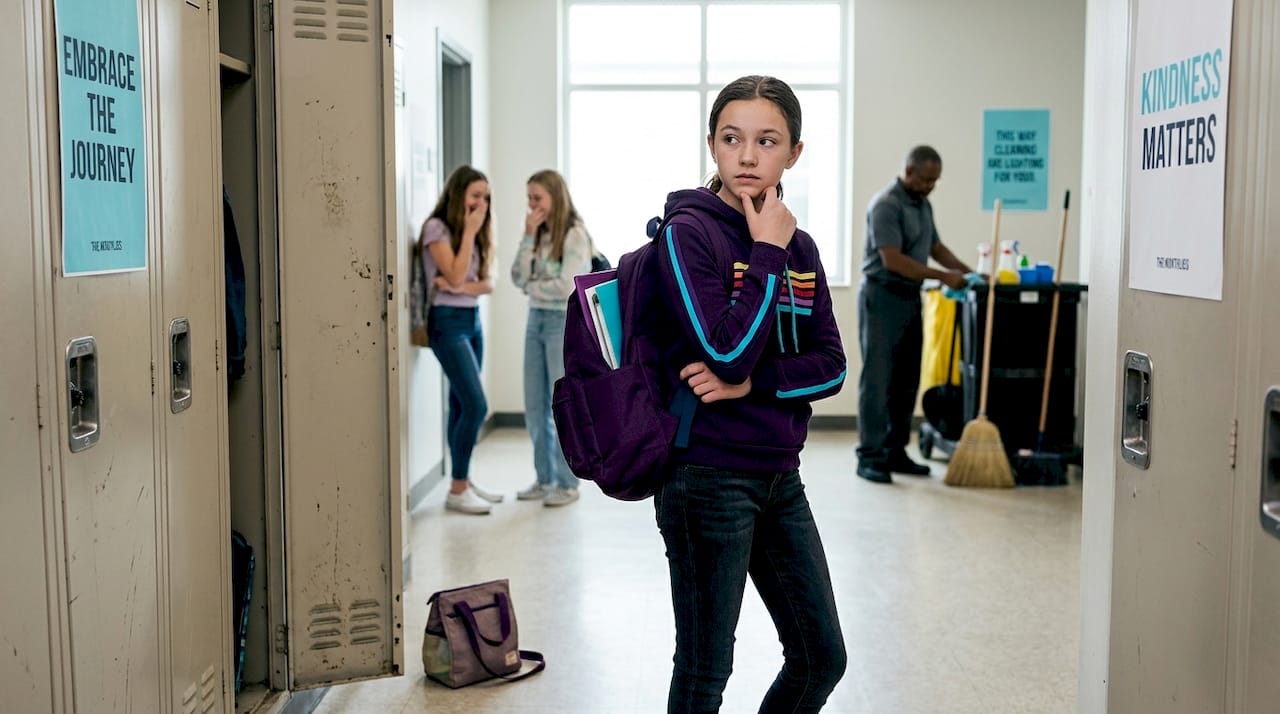
Research published in BMC Public Health found that many adolescent girls feel negatively about menstruation and that these feelings directly affect their social lives and school performance. Embarrassment and shame are frequently reported, often fueled by stigma and misinformation rather than the physical experience itself.
The fear of leaking in public is one of the most anxiety-producing concerns girls report. It can cause her to avoid physical education class, decline social invitations, or sit out activities she normally loves. That kind of avoidance, if left unaddressed, can quietly chip away at her confidence.
Here is what social withdrawal around menstruation can look like:
- Refusing to go to school on period days
- Avoiding sports, swimming, or physical activities
- Becoming secretive or reluctant to talk about how she is feeling
- Pulling away from close friends
Emotional reactions shaped by stigma and insufficient support are not inevitable. When parents actively work to normalize menstruation at home, girls are significantly more likely to feel confident rather than ashamed. A good starting point is understanding what a period actually is so you can explain it clearly and without embarrassment yourself.
5. Effective parental support: education, communication, and practical help
You do not need to have all the answers. You just need to show up with openness and a willingness to talk. That alone makes an enormous difference.
Menstrual education interventions have been shown to reduce anxiety in girls aged 10 to 12 from moderate to mild levels. The earlier and more clearly you explain what menstruation is, the less frightening it becomes. This is not a one-time conversation. It is an ongoing dialogue.
Here are practical steps you can take right now:
- Start the conversation early. Aim for age 9 or 10, before menarche arrives. Use simple, honest language. Avoid making it feel like a big, serious talk. Casual moments work well.
- Validate her feelings without minimizing them. “That sounds really uncomfortable” is more supportive than “It’s not that bad.” Her feelings are real, even when they are temporary.
- Prepare a period kit together. Having pads, clean underwear, and a change of clothes ready reduces the fear of being caught off guard. Involve her in choosing what goes in it.
- Establish a simple self-care routine. Warm baths, light movement, and rest all help with both physical and emotional symptoms. A pre-teen self-care routine does not need to be complicated to be effective.
- Encourage mood tracking. A simple journal or app where she notes how she feels each day helps her recognize patterns. It also gives her a sense of control over something that can feel unpredictable.
- Normalize the conversation at home. When menstruation is talked about matter-of-factly in your household, it loses the power to embarrass or shame.
Pro Tip: Addressing knowledge gaps early is one of the most effective ways to reduce fear around menarche. Anxiety at first period often masks underlying fears that factual education can directly resolve.
My honest take on supporting a daughter through this milestone
I have seen a lot of parents come to this topic with the best intentions and still miss the mark. Not because they do not care, but because they focus almost entirely on the physical side of menstruation and overlook the emotional weight it carries.
What I have learned is that girls do not just need pads and pain relief. They need to feel like what they are experiencing is normal, expected, and something they can handle. That reassurance has to come from you first.
One of the most common mistakes I see is dismissing mood changes as “just hormones.” That phrase, however well-meaning, sends the message that her feelings are not worth taking seriously. They are. Hormones are the cause, but the feelings are real. Both things can be true at the same time.
The parents who make the biggest difference are the ones who prepare early, stay calm when things get emotional, and treat menarche as something to grow through together. Not a problem to manage, but a milestone to honor.
If your daughter is approaching her first period, the best gift you can give her is your own confidence and calm. She is watching how you respond. Make it count.
— Themonthliesbox
Give her the support she deserves from day one
When your daughter’s first period arrives, having the right tools ready makes everything feel less overwhelming for both of you. At Themonthliesbox, we created the Amethyst Box specifically for this moment. It combines affirmations, educational materials, and practical period supplies into one thoughtfully curated experience built around our Affirm, Understand, and Equip method.
For girls who want comfort and confidence on the go, the On-The-Go Kit keeps everything she needs close at hand. And if you have two girls in the house, or want to share this experience with a friend, the Bestie Bundle lets you do that while saving $40. Every product we offer is designed to reduce anxiety, build confidence, and make sure no girl faces this milestone feeling alone.
FAQ
What are the most common emotional responses to a first period?
Anxiety, confusion, and surprise are the most frequently reported feelings at menarche. These responses are closely linked to how much prior knowledge and support a girl has received before her period arrives.
Why does my daughter have mood swings around her period?
Mood swings are caused by fluctuations in estrogen and progesterone during the menstrual cycle. These hormonal shifts directly affect emotional regulation, leading to irritability, tearfulness, and increased sensitivity.
How do I know if my daughter’s symptoms are PMDD and not normal PMS?
PMDD involves severe emotional symptoms that follow a consistent pattern, beginning 5 to 8 days before menstruation and resolving after it starts. If symptoms are debilitating and repeat every cycle, a healthcare provider should evaluate her.
How can I help reduce my daughter’s anxiety about her first period?
Start age-appropriate conversations early, prepare practical supplies together, and keep the topic normal and open at home. Early menstrual education has been shown to significantly reduce anxiety in girls aged 10 to 12.
Is it normal for a girl to feel embarrassed or want to avoid activities during her period?
Yes, embarrassment and avoidance behaviors are common, especially early on. They are often driven by stigma and fear of leaking rather than the physical experience itself. Consistent, matter-of-fact conversations at home help reduce these feelings over time.
0 comments