

First period pain management tips are techniques that reduce menstrual cramps and discomfort during a girl’s initial menstruation. The clinical term for painful periods is dysmenorrhea, and it is far more common than most parents realize. Approximately 90% of adolescent girls experience dysmenorrhea, making it the leading menstrual complaint in this age group. That number tells you one thing clearly: your daughter’s pain is real, it is normal, and there is a lot you can do about it together.
1. What causes first period pain and how it shapes management
Menstrual cramps are caused by prostaglandins, hormone-like chemicals the uterus releases to trigger contractions that shed its lining. Higher prostaglandin levels produce stronger contractions and more pain. This is why understanding the cause matters. It points directly to which first period pain management tips actually work.
First periods typically arrive between ages 9 and 15 and last 3–7 days on average. Pain usually peaks in the first 1–2 days when prostaglandin levels are highest. Knowing this timing helps you and your daughter prepare rather than react.
Some symptoms are normal. Others are not. Here is how to tell the difference:
- Normal: Cramping in the lower abdomen or back, mild nausea, fatigue, and bloating during the first 1–2 days
- Normal: Pain that responds to heat or over-the-counter medication within an hour
- See a doctor: Pain so severe it prevents school or daily activities
- See a doctor: Bleeding lasting longer than 7 days or soaking through a pad every hour
- See a doctor: Vomiting, lightheadedness, or fainting alongside cramps
Understanding what is typical versus concerning gives parents a clear framework. It also helps your daughter feel validated rather than confused.
2. Heat therapy for menstrual cramps relief
Heat therapy is one of the most effective and accessible tools for period discomfort. Continuous low-level heat can equal or exceed the effectiveness of over-the-counter pain medication for many girls. That is a significant finding. It means a heating pad is not just a comfort measure. It is a legitimate first-line treatment.
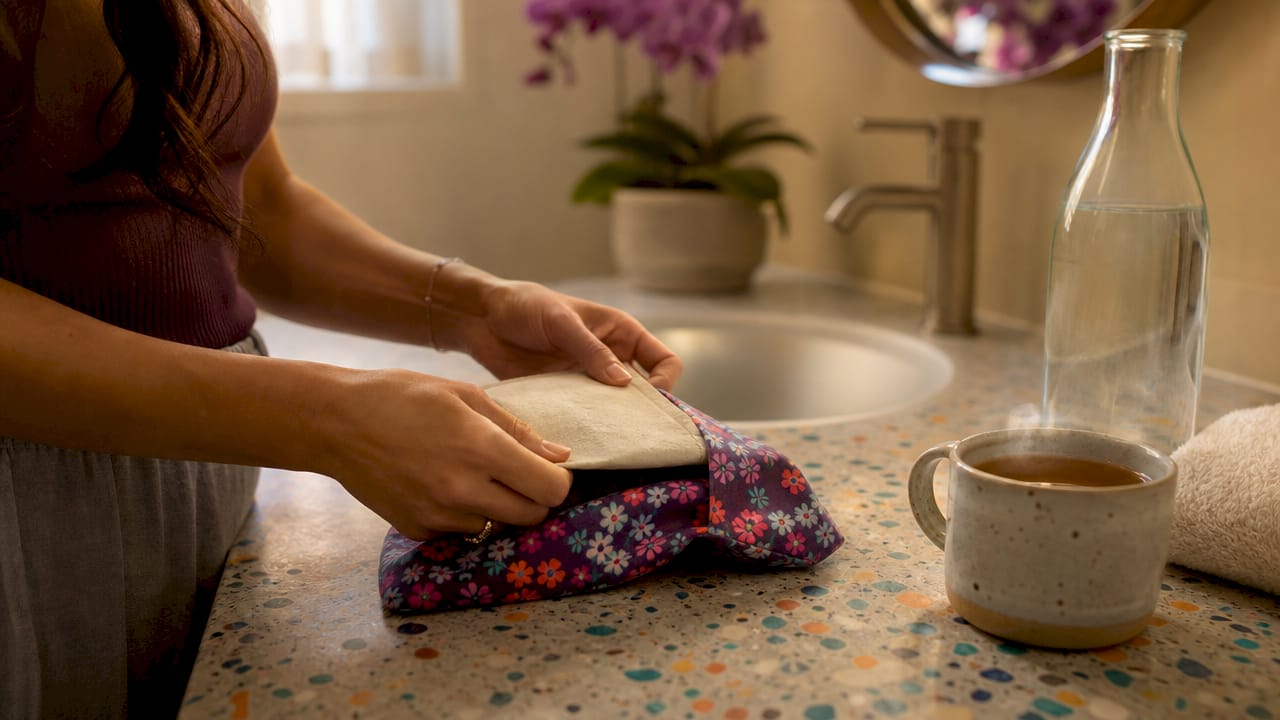
Apply a heating pad or warm water bottle to the lower abdomen for 15–20 minutes at a time. Reusable microwavable heat packs work well at home. Adhesive heat patches are a practical option for school days. Heat works by relaxing the uterine muscle and improving blood flow to the area, which directly reduces the intensity of contractions.
Pro Tip: Combine heat with an NSAID like ibuprofen for stronger relief. Research shows heat and NSAIDs work together better than either one alone.
3. Over-the-counter NSAIDs: timing is everything
NSAIDs (nonsteroidal anti-inflammatory drugs) like ibuprofen and naproxen are the first-line pharmacological treatment for dysmenorrhea. They work by blocking prostaglandin production at the source. This is why timing matters more than most parents know.
Taking NSAIDs after pain starts means prostaglandins have already built up. Starting them 1–2 days before the period begins, or at the very first sign of cramping, blocks prostaglandin production before it peaks. The result is significantly less pain throughout the cycle. A standard dose of ibuprofen is 200–400mg every 6–8 hours with food. Always follow the dosing instructions on the package and consult your daughter’s pediatrician if you have questions about her specific situation.
Naproxen sodium (sold as Aleve) lasts longer per dose, which some girls find more convenient during school hours. Neither medication should be used on an empty stomach.
4. Exercise as a natural remedy for period pain
Regular exercise reduces menstrual pain by improving circulation in the pelvis and triggering the release of endorphins. Moderate aerobic activity is the recommended approach. Endorphins are the body’s natural pain-blocking chemicals. They counteract the inflammation that prostaglandins cause.
The best types of movement during a first period include:
- Walking: Low impact, easy to do anywhere, and effective at reducing cramping
- Light yoga: Poses like child’s pose and supine twists directly relieve lower abdominal tension
- Swimming: Warm water adds a heat therapy benefit alongside the aerobic effect
- Gentle cycling: Keeps circulation moving without jarring the abdomen
Your daughter does not need an intense workout. Even a 20-minute walk can shift how she feels. Encourage movement rather than rest as the default response to cramps, unless pain is severe.
5. Tracking cycles to anticipate and manage pain proactively
Cycle tracking is one of the most underused first time period advice tools available to parents and girls. Tracking periods with a calendar or app helps girls identify patterns in their pain, which improves readiness and reduces severity over time. Knowing that cramps typically start on day 1 or 2 means your daughter can start heat therapy or NSAIDs before the pain peaks.
Simple paper calendars work just as well as apps for younger girls. Apps like Clue or Flo offer teen-friendly interfaces for those who prefer digital tools. The goal is to build awareness, not anxiety. First period tracking turns a reactive experience into a prepared one, and that shift alone builds real confidence.
6. Diet and hydration to ease period discomfort
What your daughter eats and drinks during her period affects how she feels. Anti-inflammatory foods reduce the prostaglandin response that drives cramping. Foods rich in omega-3 fatty acids (salmon, walnuts, flaxseed), magnesium (dark leafy greens, almonds), and vitamin D support this process.
Foods to limit during the first few days include processed snacks, excess salt, and sugary drinks. Salt increases water retention and bloating. Sugar spikes blood glucose and can worsen mood swings. Staying well hydrated with water reduces bloating and helps muscles function better, including the uterus.
Warm herbal teas like ginger or chamomile offer mild anti-inflammatory benefits and the added comfort of warmth. They are not a replacement for NSAIDs in moderate to severe pain, but they are a supportive addition to a broader self-care routine.
7. Stress reduction and sleep as pain management tools
Stress and poor sleep both amplify pain perception. A girl who is anxious or sleep-deprived will feel cramps more intensely than one who is rested and calm. This is not psychological. It is physiological. Stress hormones like cortisol lower the body’s pain threshold.
Lifestyle changes including sleep and stress reduction are recognized components of effective menstrual pain management. Practical steps include:
- Aiming for 8–10 hours of sleep during the first days of a period
- Using deep breathing or guided meditation apps like Calm or Headspace before bed
- Reducing screen time in the hour before sleep to improve sleep quality
- Keeping a consistent bedtime even on weekends to regulate the body’s rhythm
A pre-teen self-care routine that includes wind-down habits makes a measurable difference in how girls experience their cycle month to month.
8. How to support your daughter emotionally during her first period
Emotional support from a parent is not a soft add-on. It directly improves how well pain management strategies work. Validating your daughter’s pain and taking it seriously increases her willingness to use the tools available to her. Dismissing pain as “just cramps” does the opposite.
Open communication is the foundation. Ask her where it hurts, how intense it is on a scale of 1–10, and what helps. This gives you useful information and signals that her experience matters. Supporting your daughter’s first period means creating space for honest conversation without making her feel like a problem to be solved.
Choosing and practicing with period products before the period arrives also reduces anxiety. Anxiety during use of internal products causes vaginal muscle tightening, which increases discomfort. Practicing with tampons or menstrual cups off-period using a small amount of lubricant builds familiarity and confidence before the pressure is on.
9. When to seek medical advice beyond home management
Home management handles most cases of first period pain effectively. Some situations require professional evaluation. Parents should seek medical advice when:
- Pain is severe enough to prevent school attendance or normal daily activities
- Bleeding lasts longer than 7 days or is heavy enough to soak through a pad every hour
- Your daughter misses three or more periods after they have started
- Nausea, vomiting, or lightheadedness accompany every period
- NSAIDs and heat therapy provide no meaningful relief after two or three cycles
The American College of Obstetricians and Gynecologists (ACOG) recommends an initial gynecological visit between ages 13 and 15. This visit does not involve a pelvic exam for most teens. It is a conversation about health, development, and any concerns. Early consultation catches conditions like endometriosis or polycystic ovary syndrome before they become harder to manage.
Hormonal therapies such as low-dose birth control are typically reserved for cases where lifestyle and OTC measures have not worked. They reduce cramps by thinning the uterine lining and regulating hormone levels. This is a medical decision made with a doctor, not a first step.
Key takeaways
The most effective approach to first period pain management combines heat therapy, timely NSAID use, regular movement, cycle tracking, and consistent parental support to reduce dysmenorrhea and build lasting confidence.
| Point | Details |
|---|---|
| Start NSAIDs early | Take ibuprofen or naproxen 1–2 days before pain starts to block prostaglandins at the source. |
| Heat therapy works | Continuous low-level heat can match OTC medication in effectiveness and pairs well with NSAIDs. |
| Track the cycle | Using a calendar or app helps girls anticipate pain and act before it peaks. |
| Validate the pain | Parental acknowledgment improves how consistently girls use pain management strategies. |
| Know when to escalate | Severe pain, bleeding over 7 days, or no relief after two cycles warrants a doctor’s visit. |
What I’ve learned about supporting girls through first period pain
Parents often come to us at Themonthliesbox feeling unsure whether their daughter’s pain is normal or something to worry about. That uncertainty is one of the hardest parts. The honest answer is that most first period pain is normal, manageable, and temporary. But “normal” does not mean you have to just push through it.
What I have seen work consistently is the combination of early action and open conversation. Parents who start heat therapy and NSAIDs before pain peaks, and who talk openly with their daughters about what to expect, report far better outcomes than those who wait and react. The tracking piece surprises people the most. Something as simple as marking a calendar gives a girl a sense of control over something that can feel completely out of her hands.
The one thing I would push back on is the idea that hormonal treatments are the natural next step when home management feels hard. They have a place, but lifestyle approaches, good timing with OTC medication, and emotional support handle the majority of cases well. Give those tools a real chance across two or three cycles before escalating.
Girls who feel supported and informed during their first period grow into teenagers who manage their health with confidence. That is the outcome worth working toward.
— The
Themonthliesbox has the tools to make this easier
Knowing the tips is one thing. Having the right supplies ready when your daughter needs them is another.
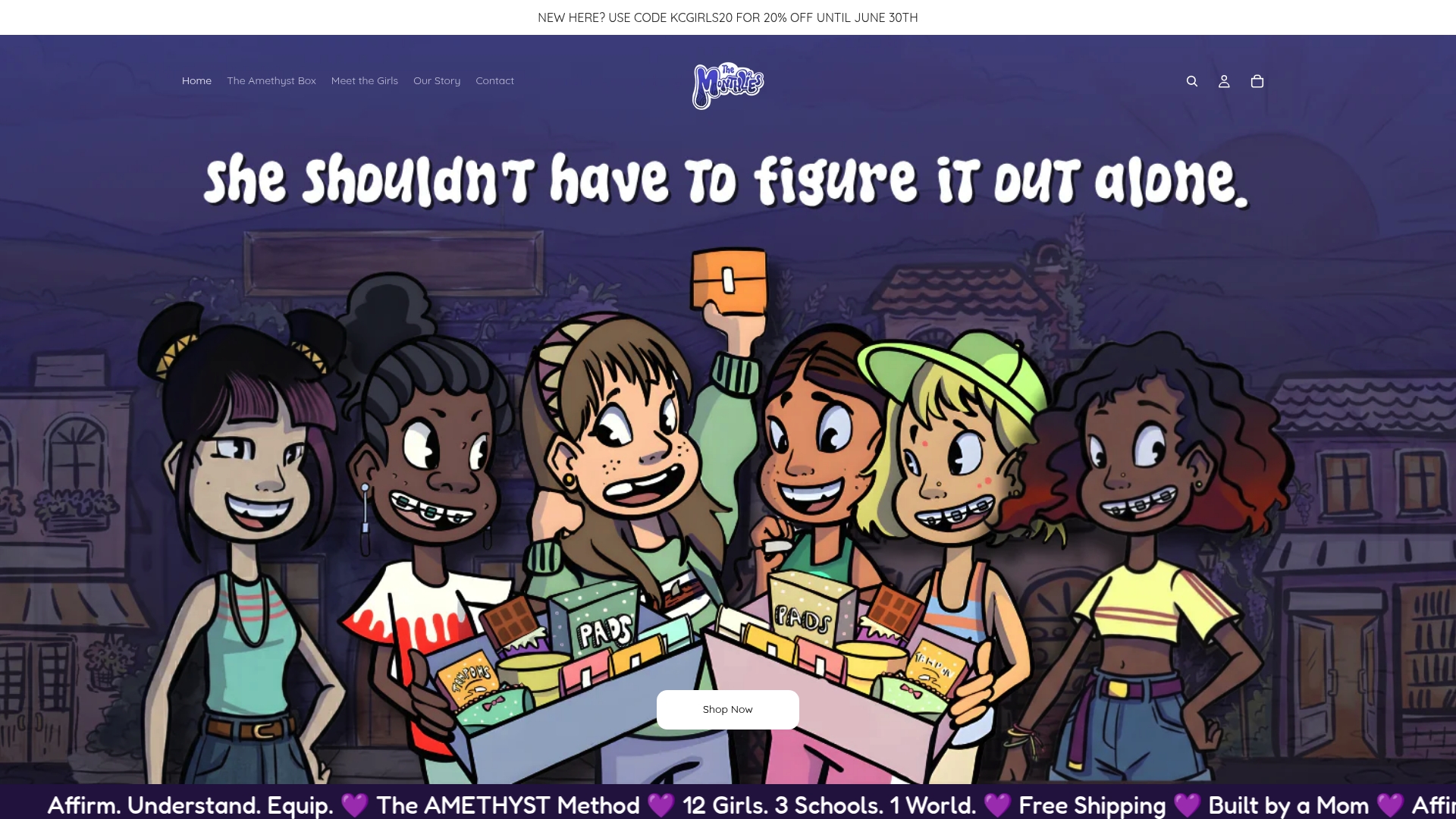
The Amethyst Box from Themonthliesbox is built specifically for first periods. It includes practical period supplies, affirmations, and educational materials that walk girls through what to expect and how to feel supported through it. The Amethyst Method at the heart of every kit covers three phases: affirm, understand, and equip. For parents who want a ready-made starting point, the LavenHaven Care Package offers a self-care starter kit with comfort essentials designed for first-time period experiences. Both options take the guesswork out of preparation and give your daughter something tangible to hold onto.
FAQ
What is first period pain management?
First period pain management refers to the strategies used to reduce dysmenorrhea, the cramping and discomfort that occurs during menstruation. It includes heat therapy, NSAIDs, exercise, cycle tracking, and lifestyle adjustments like diet and sleep.
How do I ease my daughter’s period cramps fast?
Apply a heating pad to the lower abdomen and give ibuprofen or naproxen with food. Heat combined with NSAIDs provides faster and stronger relief than either method alone.
When should I take my daughter to the doctor for period pain?
See a doctor if pain prevents daily activities, bleeding lasts longer than 7 days, or OTC treatments provide no relief after two or three cycles. ACOG recommends a first gynecological visit between ages 13 and 15.
Can exercise really help with menstrual cramps?
Yes. Moderate aerobic activity releases endorphins that reduce pain and improves pelvic circulation. A 20-minute walk during the first days of a period is enough to make a noticeable difference.
What foods help with period pain?
Anti-inflammatory foods like salmon, walnuts, dark leafy greens, and almonds support reduced cramping. Limiting salt, sugar, and processed foods during the first few days of a period also reduces bloating and discomfort.
0 comments