

An anti-inflammatory, nutrient-rich whole-food diet is the most reliable dietary approach for easing period cramps. Prioritize omega-3s, magnesium, vitamin D, iron, and plain water. Omega-3s and ginger have the strongest trial support, while severe pain always deserves a clinician’s opinion, not just a grocery list. Start today with oily fish, leafy greens, nuts, seeds, berries, and a full water bottle.
TL;DR:
- Omega-3 fatty acids, magnesium, and vitamin D are the most supported nutrients for reducing menstrual pain, requiring consistent intake from food sources or supplements.
- Consuming high-salt processed foods, refined sugars, excess caffeine, or alcohol can worsen bloating, inflammation, and cramps over time, especially during the menstrual cycle.
- Daily meal ideas include oily fish, leafy greens, nuts, berries, and fortified dairy or eggs, emphasizing real foods over supplements unless guided by a healthcare professional.
- Inflammation and cramping may be aggravated by patterns of diet rather than individual foods, highlighting the importance of overall dietary habits for relief.
- Combining nutrient-rich eating with heat therapy, rest, and medical advice provides the most effective approach to managing severe menstrual cramps.
Table of Contents
- Food for Period Cramps: The Nutrients That Matter Most
- Foods That Can Make Cramps Worse
- Meal and Snack Ideas That Put This Into Practice
- How to Build a Short-Term Eating Plan Around Your Cycle
- What the Research Actually Shows
- Feeding the Body Is Only Part of Caring for It
- A Self-Care Companion for the Days Food Alone Can’t Cover
- Sources
Food for Period Cramps: The Nutrients That Matter Most
Cramps happen because your uterus releases compounds called prostaglandins, which trigger the muscle contractions that squeeze blood vessels and cause pain. Diets high in certain nutrients seem to calm that whole process down, which is why nutrition science keeps circling back to the same short list: omega-3s, magnesium, vitamin D, vitamin E, calcium, and iron.
Omega-3 fatty acids appear to be the heavyweight here. A meta-analysis found that diets rich in omega-3s, including supplements ranging from 300 to 1,800 mg/day over two to three months, reduced period pain and cut reliance on pain medication. You get omega-3s from a 3 to 4 ounce serving of salmon or sardines a few times a week, or from an ounce of walnuts or a tablespoon of ground flaxseed daily.
Magnesium relaxes smooth muscle, including the uterine kind, and shows up generously in a cup of cooked spinach, an ounce of almonds, or a cup of black beans.
Vitamin D matters more than most people expect. Trials using weekly doses above 50,000 IU showed real pain relief, though that’s a clinical dose, not a food target. Fortified milk, eggs, and a little sunlight are the realistic everyday sources.
Vitamin E and antioxidant-rich foods like berries and dark leafy greens supply polyphenols that may lower low-grade inflammation tied to cramping.
Calcium and iron round out the list. Iron matters especially if bleeding is heavy, since blood loss can leave you running low between cycles.
Here’s what a realistic day of nutrient-focused eating looks like:
- Salmon (3 to 4 oz) or a handful of walnuts for omega-3s
- A cup of cooked lentils or spinach for magnesium and iron
- Fortified milk or eggs for vitamin D
- A cup of blueberries or strawberries for antioxidants
- Almonds or sunflower seeds for vitamin E
Pro Tip: Check USDA FoodData Central if you want exact nutrient counts for a food before building it into a weekly plan.
High-dose supplements, especially vitamin D or omega-3s at the levels used in trials, work best under a clinician’s guidance rather than guessed at from a bottle on a shelf.
Foods That Can Make Cramps Worse
Some foods don’t cause cramps directly, but they can amplify the bloating, water retention, and inflammation that make cramps feel worse than they need to.
- High-salt processed foods pull water into your tissues, which intensifies bloating and abdominal pressure.
- Refined sugar and simple carbs can spike inflammation markers and contribute to energy crashes right when you need steady fuel.
- Excess caffeine narrows blood vessels, which some people find sharpens cramping.
- Heavy alcohol use dehydrates you and can worsen inflammation.
- Processed meats are linked in observational research to worse menstrual symptoms compared with whole-food diets.
None of this means one salty snack ruins your cycle. The evidence here is more about patterns over the month than a single slip during your period.
Pro Tip: Swap the chips for roasted chickpeas, or trade soda for sparkling water with a splash of fruit juice. You still get the crunch or the fizz, just without the extra sodium or sugar load.
Meal and Snack Ideas That Put This Into Practice
Knowing the nutrients is one thing. Actually eating them during a week when you feel exhausted and crampy is another. These ideas are built for real life, not a wellness magazine.
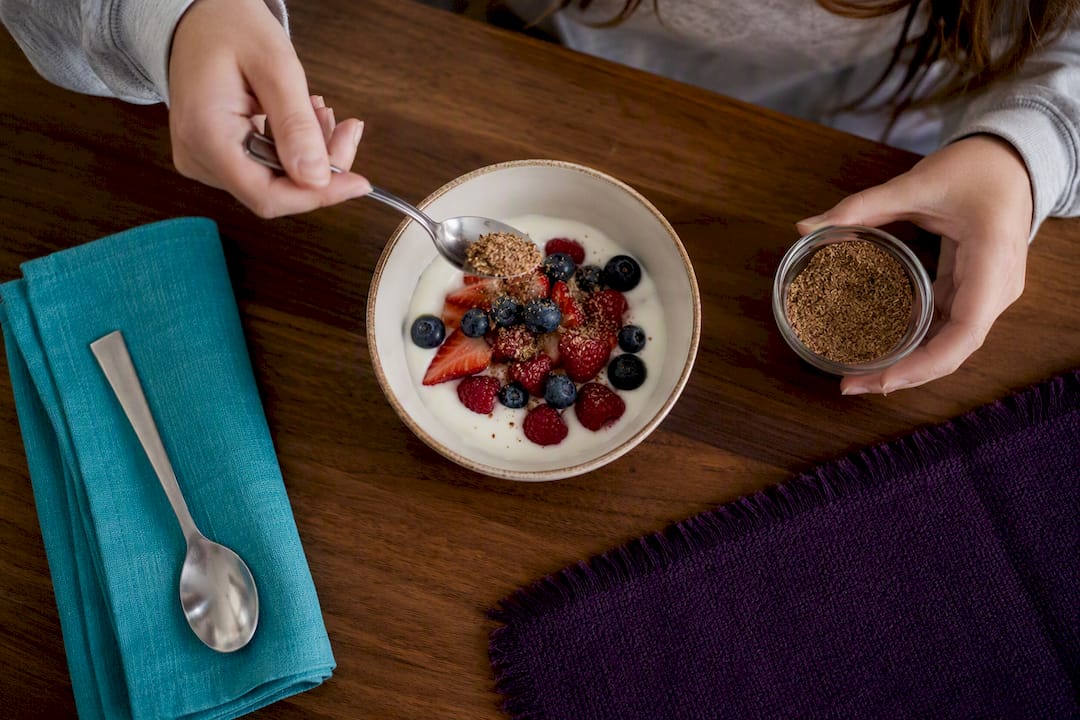
Breakfast: Fortified yogurt with berries and a spoonful of ground flaxseed, or scrambled eggs with spinach.
Lunch: A lentil and spinach bowl with a squeeze of lemon (the vitamin C helps you absorb the plant iron), or a salmon salad with walnuts.
Dinner: Baked salmon or sardines with roasted sweet potato and steamed greens. For a no-cook night, canned salmon over mixed greens with olive oil takes five minutes.
Snacks that double as anti-cramp foods for period pain:
- A small handful of almonds and dried apricots
- Hummus with sliced bell peppers
- A banana with almond butter
- Trail mix with pumpkin seeds and dark chocolate chunks
- Berries with a spoon of Greek yogurt
Keep a simple pantry stocked with canned salmon or sardines, frozen spinach, lentils, nuts and seeds, and frozen berries. All of it holds up for weeks, so you’re not scrambling to shop the day cramps hit. For caregivers packing lunches for a tween or teen, hummus and pepper strips or a yogurt and berry cup travel well and rarely get side-eyed at the lunch table.
How to Build a Short-Term Eating Plan Around Your Cycle
Nutrition works better as a rhythm than a rescue mission. Here’s a simple way to structure it:
- The week before your period: Start adding an extra serving of leafy greens or fatty fish daily. This is also the easiest window to increase fiber and legumes gradually, since a sudden jump in beans or whole grains can cause bloating in people who aren’t used to them.
- The day before bleeding starts: Focus on hydration and a lower-sodium dinner to head off extra water retention.
- During your period: Lean on the nutrient-dense meals above, pair any plant-based iron (lentils, spinach) with a vitamin C source like citrus or bell pepper, since that combination significantly improves iron absorption.
- If you’re considering ginger: Trials use doses between 750 and 2,000 mg per day, often starting right as bleeding begins, and ginger tea is a gentler, food-based way to approach the same idea.
Pro Tip: Cooking rice or potatoes and letting them cool before reheating increases resistant starch, which can help steady your energy on heavy-flow days when appetite feels unpredictable.
Anything beyond food-level amounts, especially vitamin D or omega-3 supplements at trial doses, belongs in a conversation with a doctor, not a self-guided experiment.
What the Research Actually Shows
The evidence isn’t uniform, and it’s worth knowing where it’s strong and where it’s thinner.
- Omega-3s have the most consistent backing: meta-analysis data links supplementation to less pain and lower painkiller use.
- Ginger shows a real effect across multiple randomized trials, typically at 750 to 2,000 mg/day during early menstruation.
- Vitamin D trials show benefit at weekly doses above 50,000 IU, a clinical amount well beyond diet alone.
- Vitamin E evidence is more limited. Some trials show benefit when supplements start just before bleeding, but sample sizes are small and results vary.
Where studies disagree, it’s usually because trials are short, small, or measure pain differently. That inconsistency doesn’t erase the pattern. It just means diet is one dependable lever among several, not a guaranteed fix. If cramps are severe enough to interfere with school, work, or sleep, that’s a signal to get checked out clinically rather than push through with food changes alone.
Feeding the Body Is Only Part of Caring for It
Food matters, but it’s not the whole picture. Cramps ease fastest when good nutrition sits alongside heat, rest, and, when needed, real medical care. For caregivers, the best move is modeling calm, easy eating and prepping nutrient-dense snacks without turning cravings into a lecture. That’s the same spirit behind The Monthlies’ Amethyst Method: affirm first, then equip.
— The
A Self-Care Companion for the Days Food Alone Can’t Cover
Even the best-stocked kitchen doesn’t hand a tween a heating pad at 2 a.m. or explain why cramps happen in the first place. That’s where a curated comfort box earns its place next to your grocery list, not instead of it. The Amethyst Box pairs practical period supplies with affirmation cards and clear, age-appropriate education, so nutrition advice lands alongside emotional support instead of on its own.

For life outside the house, the On-The-Go Kit keeps essentials and comfort items ready for school bags and sports gear, while a reusable water bottle habit (something the Deluxe Box leans into with its 40oz tumbler) reinforces the hydration piece this article keeps circling back to. None of these replace salmon on a plate. They just make the rest of the self-care routine feel less like an afterthought. If you’re preparing a tween for her first period or restocking for a teen already managing her cycle, browse the Amethyst Box and see which bundle fits her stage right now.
This article is general information, not a substitute for advice from a qualified doctor. Consult a qualified healthcare professional about your own circumstances before acting on anything here.
Sources
- Ginger and menstrual pain (systematic review/meta-analysis entry)
- Got period pain or cramps? What to eat and avoid
- Diet, inflammation and menstrual symptoms (review evidence)
- Vitamin E and nutrition context — Harvard T.H. Chan Nutrition Source
0 comments