

Menarche, the medical term for a girl’s first menstrual period, is one of the most significant puberty milestones she will experience. Knowing how to recognize when the first period has started removes a lot of the fear and confusion that surrounds this moment. This guide walks parents and girls through the physical signs that come before menarche, how to confirm bleeding has begun, what to expect first period and beyond, and how to prepare so that nothing catches you off guard.
What are the signs your first period is coming?
The body gives clear signals before the first period arrives. Most girls get their first period around ages 12 to 13, though anywhere from age 9 to 16 falls within the normal range. That wide window is why learning to read the body’s own timeline matters far more than watching the calendar.
Puberty follows a predictable sequence, and understanding that sequence is the most reliable way to anticipate menarche. Here is what to watch for, in the order these signs typically appear:
- Breast development. This is usually the first sign of puberty, and periods typically follow about two to three years after breast development begins.
- Pubic and underarm hair. Hair growth in these areas usually appears after breast development and signals that hormones are actively shifting.
- Growth spurt. A noticeable increase in height often happens in the year or two before the first period.
- Vaginal discharge. Clear or milky discharge typically appears six to twelve months before the first period. This is one of the most reliable early signs that menarche is approaching.
- Emotional and mood changes. Mood swings, irritability, and increased sensitivity are common and usually temporary. They are driven by hormonal shifts, not personality changes.
Physical symptoms can also appear weeks or months before bleeding starts. Cramping, tender breasts, headaches, and fatigue are all part of the body preparing for its first cycle. Not every girl experiences all of these, and the intensity varies widely from person to person.
Pro Tip: Track puberty stages in a simple notebook or app. Noting when breast development started and when discharge appeared gives you a much clearer picture of when to expect the first period, rather than guessing from age alone.
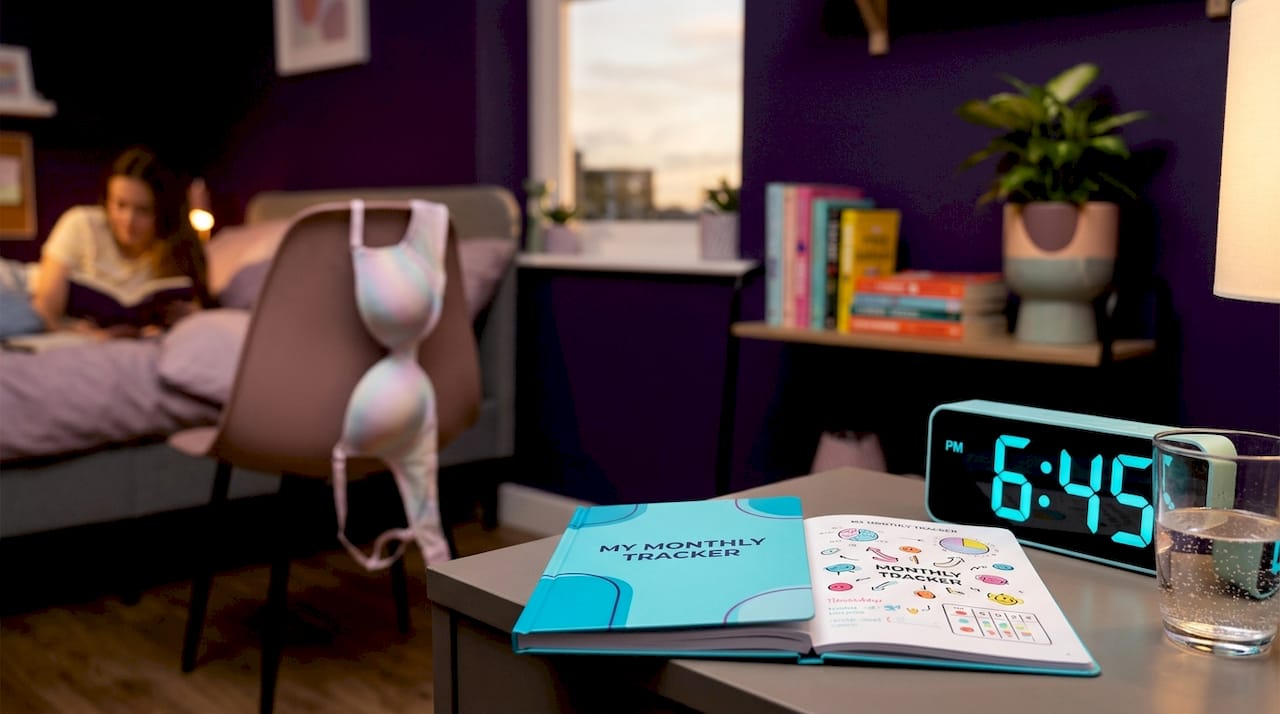
One thing worth knowing: parents often miss earlier signs when they focus only on predicting the exact day of menarche. Recognizing breast development and discharge early gives families time to prepare calmly, without last-minute scrambling.
How to know if your first period has started
Knowing the signs is one thing. Confirming that the first period has actually started is another. Here is a straightforward process for checking for first period signs and understanding what you are seeing.
- Check your underwear. The first sign is usually a small amount of blood or brownish discharge on the fabric. Brown or dark red coloring is completely normal and simply means the blood has taken a little longer to leave the body.
- Notice the color and texture. First period blood can range from light pink to dark brown to bright red. All of these are normal. The color often changes throughout the few days of bleeding.
- Assess the flow. First periods are often lighter than expected and may last between two and seven days. A light flow that only shows on a liner or thin pad is still a real period.
- Distinguish from spotting. Spotting is a very small amount of blood, often just a few drops, that does not increase over time. A first period typically becomes a consistent flow over the first day or two, even if it stays light overall.
- Note any accompanying symptoms. Mild cramping in the lower abdomen, a feeling of heaviness, or lower back discomfort alongside the bleeding confirms that this is menstruation rather than another cause.
If you are a parent, the way you respond in this moment matters enormously. Stay calm, speak warmly, and treat it as a normal body event rather than a crisis. A simple “I’m so glad you told me. Let’s get you what you need” goes a long way. For deeper guidance on that conversation, the Themonthliesbox blog has a helpful resource on telling mom about your period that covers both sides of the conversation.
Pro Tip: Keep a small period kit in a zip pouch in your daughter’s school bag before her period arrives. Include two thin pads, a spare pair of underwear, and a few wipes. She will feel far more confident knowing she is covered.
A common myth is that the first period will be heavy and dramatic. For most girls, it is actually quite light and may even stop and start over the first couple of days. Managing expectations here prevents unnecessary panic.
Practical preparation before and after the first period
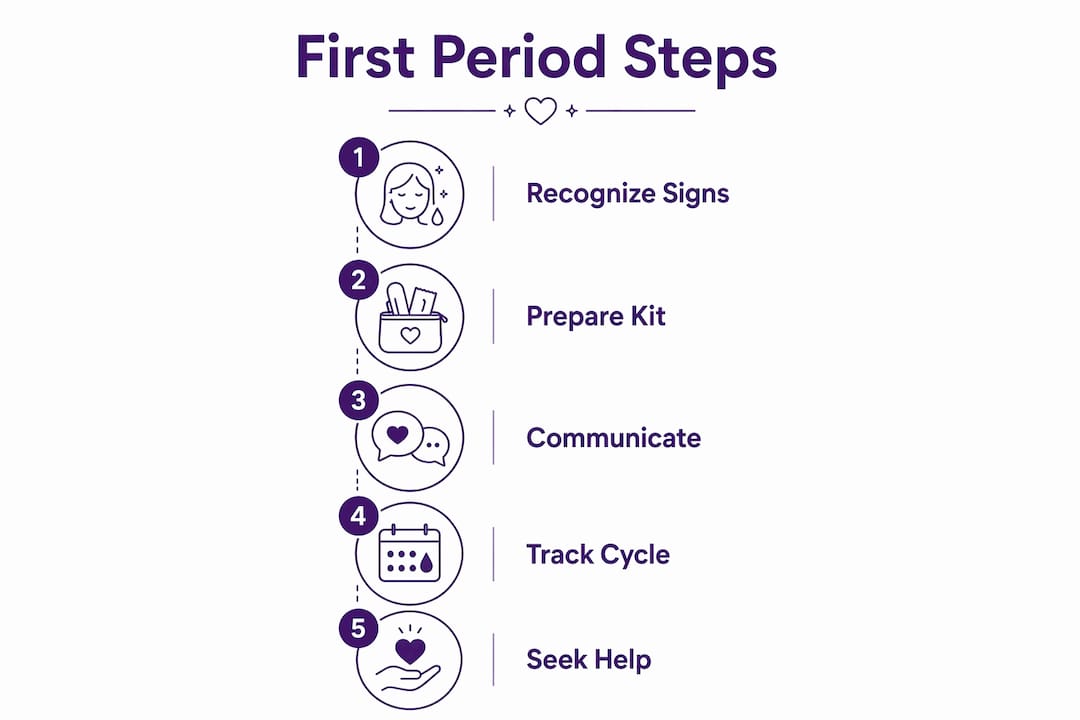
Preparation is what turns an anxious moment into a manageable one. The table below outlines what to have ready and why each item matters.
| Supply | Why it helps |
|---|---|
| Thin pads or panty liners | Best for first periods, which are often light. Easier to use than tampons for beginners. |
| Spare underwear | Accidents happen. Having a backup pair at school or in a bag removes the stress of staining. |
| Mild pain reliever | Ibuprofen or acetaminophen can ease cramps. Check dosage guidelines for your daughter’s age. |
| Heating pad or heat patch | Warmth on the lower abdomen relieves cramping without medication. |
| Period tracker app | Apps like Clue or Flo help girls learn their cycle pattern over the first year. |
Beyond supplies, school preparedness is one of the most overlooked parts of first period planning. Communicating with the school nurse and keeping supplies in a locker or bag reduces anxiety about an unexpected period during the school day. Many school nurses are experienced in supporting girls through this, and a quick conversation removes a lot of worry. For a full breakdown of how to handle this, Themonthliesbox has a dedicated guide on first period at school that covers what to say and how to prepare.
Building a self-care routine around menstruation also helps girls feel more in control. Gentle movement, warm baths, and extra rest during the first couple of days of a period are all practical ways to support the body. Themonthliesbox has a resource on pre-teen self-care routines that walks through building these habits before the first period even arrives.
Normalizing the experience through open conversation is just as important as having the right supplies. Girls who feel they can talk openly about their period with a parent or trusted adult report less anxiety and more confidence managing their cycle.
What to expect in the first year of menstruation
The first year of periods is rarely textbook regular, and that is completely normal. Menstrual cycles often take two to three years to stabilize after menarche. A cycle might be 28 days one month and 45 days the next. Flow can be light one cycle and heavier the next. None of this signals a problem in the early years.
| What is normal | What warrants a doctor visit |
|---|---|
| Cycles ranging from 21 to 45 days | No period by age 15 |
| Light to moderate flow | Soaking through a pad every hour for several hours |
| Mild to moderate cramps | Severe pain that disrupts daily life |
| Periods lasting 2 to 7 days | Bleeding lasting longer than 7 days |
| Skipping a month occasionally | No period for more than 90 days after cycles have started |
If no period has arrived by age 15, or if the first period came before age 8, a medical evaluation is the right step. These are not reasons to panic, but they are signals worth discussing with a pediatrician or gynecologist.
First gynecologist visits are commonly recommended between ages 13 and 15 to discuss menstrual health and check development. These visits are typically conversational rather than invasive, and they give girls a space to ask questions they might feel shy about asking at home.
Pro Tip: Start a simple period log after the first cycle. Write down the start date, how many days it lasted, and any symptoms. After three to four cycles, patterns begin to emerge that make the whole experience feel much more predictable.
The emotional side of the first year deserves equal attention. Hormonal shifts continue to affect mood throughout each cycle, and girls benefit from knowing this is expected rather than something wrong with them. Understanding the role of hormones in your daughter’s period helps both parents and girls make sense of these emotional waves without alarm.
Key takeaways
Recognizing the first period requires tracking puberty signs like discharge and breast development, not just waiting for bleeding to appear.
| Point | Details |
|---|---|
| Watch puberty signs early | Discharge appearing 6 to 12 months before menarche is the most reliable preparation signal. |
| First periods are often light | Bleeding may be brown, pink, or red and last just 2 to 7 days, lighter than most girls expect. |
| Irregular cycles are normal | Cycles take 2 to 3 years to stabilize, so variation in timing and flow is expected. |
| Prepare school logistics | A small period kit in a school bag and a word with the school nurse removes most first-period anxiety. |
| Know when to see a doctor | No period by age 15 or severe symptoms warrant a medical conversation, not alarm. |
What I’ve learned from walking families through this moment
I have seen the same pattern repeat itself with families who come to us at Themonthliesbox. Parents wait for the bleeding to start before they begin the conversation. By then, the moment has already happened without the preparation that would have made it feel manageable.
The families who navigate this best are the ones who start talking early, around the time breast development begins, and treat the whole process as something to grow through together. They do not wait for a crisis to have the conversation. They build the vocabulary, stock the supplies, and normalize the topic long before the first drop of blood appears.
One thing I want parents to hear: you do not need to have all the answers. Girls do not need a perfect script. They need to know you are not embarrassed, that you are available, and that what is happening to their body is good and normal. That reassurance is more powerful than any product or pamphlet.
The other thing I have noticed is that girls who feel informed are girls who feel confident. When a young person understands what vaginal discharge means, why cramps happen, and what color variations to expect, the first period becomes something she recognizes rather than something that frightens her. That recognition is the whole goal.
Be patient with the process. The first year of menstruation is genuinely unpredictable, and that is okay. Your job is not to make it perfect. Your job is to make sure she knows she is supported, no matter what her cycle looks like.
— The Monthlies
How Themonthliesbox helps you prepare with confidence
When the signs are there and the first period is approaching, having the right tools in hand makes all the difference. Themonthliesbox was built for exactly this moment.
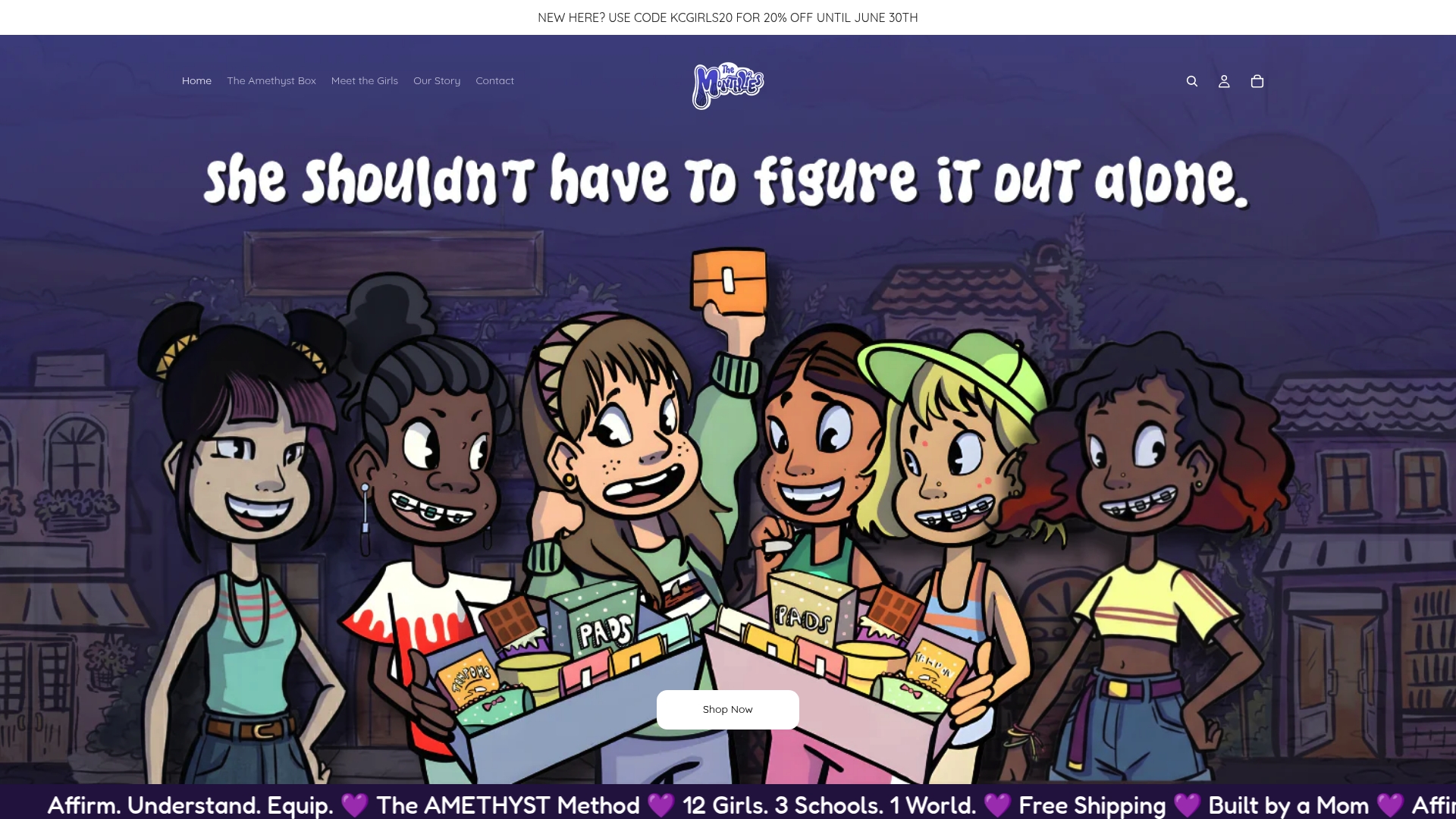
The Amethyst Box is Themonthliesbox’s signature first period kit, designed around the Amethyst Method: Affirm, Understand, and Equip. It combines practical period supplies with affirmations and educational materials so girls feel ready on every level, not just physically. For families who want a broader self-care experience, the LavenHaven Care Package offers a thoughtfully curated starter kit that covers the essentials and then some. Both options are designed to be opened together, making the first period a moment of connection rather than stress. Explore the full range at Themonthliesbox and find the right fit for your daughter.
FAQ
What are the first signs that a period has started?
The first sign is usually a small amount of blood or brownish discharge on underwear. It may be light pink, dark brown, or bright red, and is often accompanied by mild cramping or a feeling of heaviness in the lower abdomen.
How old is a girl when she gets her first period?
Most girls get their first period between ages 12 and 13, but anywhere from age 9 to 16 is considered normal. The timing is influenced by genetics, body composition, and overall health.
Is it normal for the first period to be very light?
Yes. First periods are often lighter than expected and may last just two to seven days. The flow can stop and start, and the color may shift from brown to red throughout the cycle.
How long does it take for periods to become regular?
Menstrual cycles typically take two to three years to stabilize after the first period. Irregular timing and varying flow are completely normal during this adjustment period.
When should a parent take their daughter to a doctor about her period?
A doctor visit is recommended if no period has arrived by age 15, if the first period came before age 8, or if symptoms include very heavy bleeding, severe pain, or cycles lasting longer than seven days.
0 comments