

Most teen girls ages 14–18 need 15 mg of iron per day, and that number jumps to 27 mg/day during pregnancy. If your daughter has been menstruating for at least a year, the American Academy of Pediatrics recommends routine screening for iron deficiency, no later than age 14. That’s the bottom line. Everything else in this guide helps you understand what to watch for, when to act, and how to support her.
What to do right now if you’re concerned:
- Watch for persistent fatigue, pale skin, or trouble concentrating at school
- Track her menstrual cycle, especially if periods seem heavy or last longer than seven days
- Schedule a visit with her pediatrician or family doctor for a complete blood count (CBC) and serum ferritin test if she’s had her period for a year or more
- Pair iron-rich foods with vitamin C at meals (think spinach salad with orange slices)
- Keep any iron supplements locked away or out of reach of younger children
Three safe first steps you can start today:
- Swap one breakfast to iron-fortified cereal with a glass of orange juice
- Add beans, lentils, or lean red meat to at least three dinners per week
- Note any changes in energy, school focus, or period flow in a simple journal
Key Takeaways
Teen girls ages 14–18 need 15 mg of iron per day, and the single most important action for parents is scheduling a ferritin test if their daughter has been menstruating for at least one year.
| Point | Details |
|---|---|
| Daily iron needs | Girls 14–18 need 15 mg/day; pregnant teens need 27 mg/day; the upper limit is 45 mg/day. |
| When to test | Screen menstruating teens at least one year after menarche, no later than age 14; use ferritin, not just hemoglobin. |
| Supplement safety | Only start iron supplements under clinician supervision; follow-up labs are required to confirm response. |
| Food-first strategy | Pair non-heme iron sources with vitamin C; avoid calcium and caffeine within an hour of iron-rich meals. |
| Themonthliesbox support | The Amethyst Box and companion kits provide practical period prep and educational tools to support your daughter’s whole health. |
Table of Contents
- How much iron do teen girls actually need?
- Which teen girls are most at risk for iron deficiency?
- Signs of low iron that parents often miss
- How clinicians test for iron deficiency
- When and how to use iron supplements safely
- How to increase iron through food
- When to seek medical care and what monitoring looks like
- How to talk with your teen about fatigue, testing, and iron
- Why accurate iron guidance is part of puberty confidence
- Period prep tools that support your daughter’s whole health
- Sources
How much iron do teen girls actually need?
The NIH Dietary Reference Intakes set the recommended dietary allowance (RDA) for iron based on age and life stage. For girls ages 9–13, the RDA is 8 mg/day. Once puberty and menstruation begin, that need rises sharply. Teen girls ages 14–18 need 15 mg/day, nearly double what boys the same age require (11 mg/day). Pregnant teens need 27 mg/day to support both their own blood volume and fetal development.
The Tolerable Upper Intake Level (UL) for teens is 45 mg/day. Staying under that limit matters because excess iron can cause serious GI distress, and in large accidental doses, it can be toxic, particularly for younger children who might get into supplements.
One important label note: Iron supplements list “elemental iron” content, not the total weight of the compound. A 325 mg ferrous sulfate tablet contains about 65 mg of elemental iron. Always read the elemental iron amount, not the total milligrams, when calculating dose.
| Life Stage | RDA (mg/day) | Upper Limit (mg/day) |
|---|---|---|
| Girls 9–13 | 8 | 40 |
| Girls 14–18 | 15 | 45 |
| Pregnant teens 14–18 | 27 | 45 |
Which teen girls are most at risk for iron deficiency?
About 40% of adolescent girls develop iron deficiency after menarche, making this one of the most common nutritional concerns in this age group. Monthly blood loss is the primary driver, but several other factors raise the risk further.
Higher-risk profiles to know:
- Heavy periods: Soaking through a pad or tampon every one to two hours, passing clots larger than a quarter, or bleeding for more than seven days
- Vegetarian or vegan teens: Non-heme iron from plants is absorbed less efficiently than heme iron from meat, so plant-based teens need more dietary variety and smart pairing
- Teen athletes: Intense training increases iron losses through sweat and foot-strike hemolysis (red blood cell breakdown from repeated impact)
- Teens with restrictive eating or eating disorders: Low overall food intake limits iron from all sources
- Pregnant teens: Iron demands increase significantly to support fetal growth and expanded blood volume
- Teens with GI conditions: Conditions like celiac disease or inflammatory bowel disease can impair iron absorption even when dietary intake looks adequate
Understanding period blood color changes can also help you gauge whether your daughter’s flow is heavier than typical, which is one of the clearest risk signals.
Signs of low iron that parents often miss
Fatigue, poor concentration, pale skin, and dizziness are the most recognized symptoms of low iron. But parents often miss the subtler signs because they look like ordinary teenage tiredness.
Watch for these in daily life:
- Unusual tiredness after activities she used to handle easily (practice, a school day, a social event)
- Frequent headaches or feeling lightheaded when standing up quickly
- Brittle nails or hair that breaks more than usual
- Shortness of breath during mild exercise
- A sore or swollen tongue
- Cravings for non-food items like ice, dirt, or chalk (a condition called pica, which can signal severe deficiency)
Here’s something many parents don’t realize: iron stores can drop significantly before anemia shows up on a standard blood count. A teen can feel exhausted and struggle at school while her hemoglobin looks normal. That’s why serum ferritin testing matters so much, and why dismissing persistent fatigue as “just being a teenager” can delay care by months.
The functional clues are often the first clues. Falling grades, skipping sports practice, or needing to nap after school are worth mentioning to her doctor, even if she hasn’t complained of feeling sick. Clinicians appreciate concrete examples like these when deciding whether to order labs.
Pro Tip: Keep a simple weekly log of your daughter’s energy level, sleep, period flow, and school performance. A two-week pattern is far more useful to a clinician than a vague “she seems tired lately.”
How clinicians test for iron deficiency
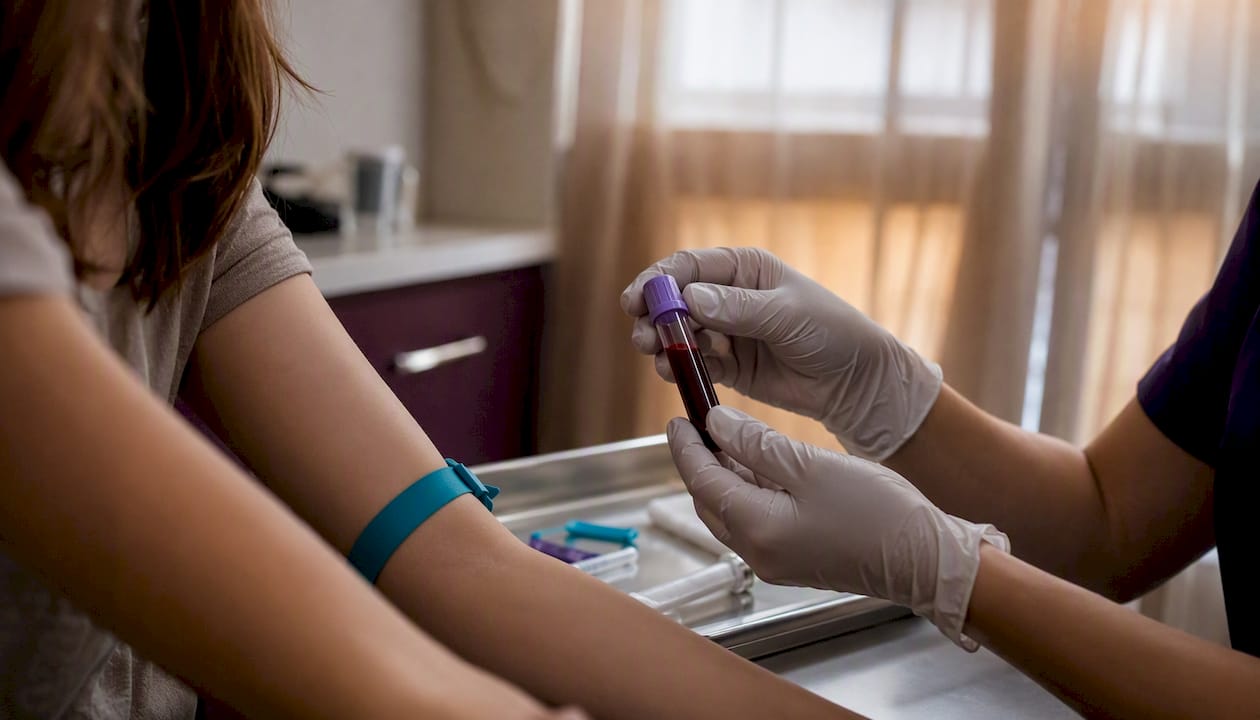
Testing for iron deficiency in teen girls typically involves a short panel of blood tests. Knowing what each one measures helps you understand the results and ask the right questions.
Common tests and what they show:
- CBC (Complete Blood Count): Measures hemoglobin, hematocrit, and mean corpuscular volume (MCV). Low hemoglobin signals anemia; low MCV suggests the red blood cells are small, a pattern typical of iron deficiency. But these values only fall after stores are already depleted.
- Serum ferritin: The most sensitive early marker. Ferritin reflects stored iron. A level at or below 30 µg/L is the commonly used threshold for iron deficiency in menstruating teens. For girls with heavy bleeding or clear symptoms, some clinicians use a threshold of ≤50 µg/L.
- CRP (C-reactive protein): Sometimes ordered alongside ferritin because inflammation artificially raises ferritin levels, which can mask a true deficiency.
The AAP recommends routine screening for menstruating teens at least one year after menarche, with the first screening no later than age 14. Screening should be repeated if symptoms develop or risk factors change.
| Test | What It Measures | Why It Matters |
|---|---|---|
| Hemoglobin / Hematocrit | Oxygen-carrying capacity of blood | Low values confirm anemia, but this is a late sign |
| MCV | Red blood cell size | Small cells suggest iron-deficiency anemia |
| Serum ferritin | Stored iron | Best early marker; ≤30 µg/L indicates deficiency |
| CRP | Inflammation | High CRP can falsely elevate ferritin readings |
When and how to use iron supplements safely
Iron supplements should only be started under a physician’s supervision because high doses can be harmful, and follow-up blood tests are needed to confirm the right dose and clinical response. This isn’t a “just try it and see” situation.
How clinicians typically approach supplementation:
- Confirm deficiency first. Labs guide the decision. Supplements are not recommended as a precaution without testing, except in specific high-risk situations like pregnancy or documented heavy menstrual blood loss.
- Choose the right form. The most common oral iron supplements are ferrous sulfate, ferrous gluconate, and ferrous fumarate. All three are effective. Ferrous gluconate tends to cause fewer GI side effects than ferrous sulfate, making it a reasonable first choice for teens who are sensitive.
- Understand elemental iron dosing. Therapeutic repletion for iron deficiency often uses approximately 3–6 mg of elemental iron per kilogram of body weight per day, though clinicians may prefer fixed tablet dosing for simplicity. Always follow the specific dose your clinician prescribes.
- Manage side effects. Constipation and nausea are the most common complaints. Taking iron with a small amount of food (not dairy) can help, though it slightly reduces absorption. Staying well hydrated and increasing fiber intake also helps.
- Consider alternate-day dosing. Some clinicians use every-other-day regimens to reduce GI side effects and potentially improve fractional absorption, though this approach lengthens the time to repletion and is decided case by case.
- Know when IV iron is used. Intravenous iron is reserved for severe deficiency, confirmed malabsorption, or cases where oral iron is not tolerated despite multiple strategies.
- Plan follow-up labs. For iron deficiency without anemia, recheck labs in about 2–3 months. For iron-deficiency anemia, a hemoglobin response is typically checked at one month. Treatment usually continues for several months after levels normalize to fully replenish stores.
Safe storage is non-negotiable. Iron supplements are a leading cause of accidental poisoning in young children. Store them in a locked cabinet or high shelf, completely out of reach. The UL for teens is 45 mg/day of elemental iron; accidental ingestion of adult-dose supplements by a small child can be life-threatening. Treat iron supplements with the same caution as any prescription medication.
Pro Tip: Set a phone reminder for your daughter’s supplement dose and pair it with a consistent daily habit, like brushing teeth at night. Consistency matters more than perfect timing.
How to increase iron through food
Food-first is always the right starting point. Dietary strategies using heme and non-heme sources, fortified foods, and vitamin C pairing are effective ways to raise iron intake in adolescents and should be the foundation of any approach to prevention or correction.
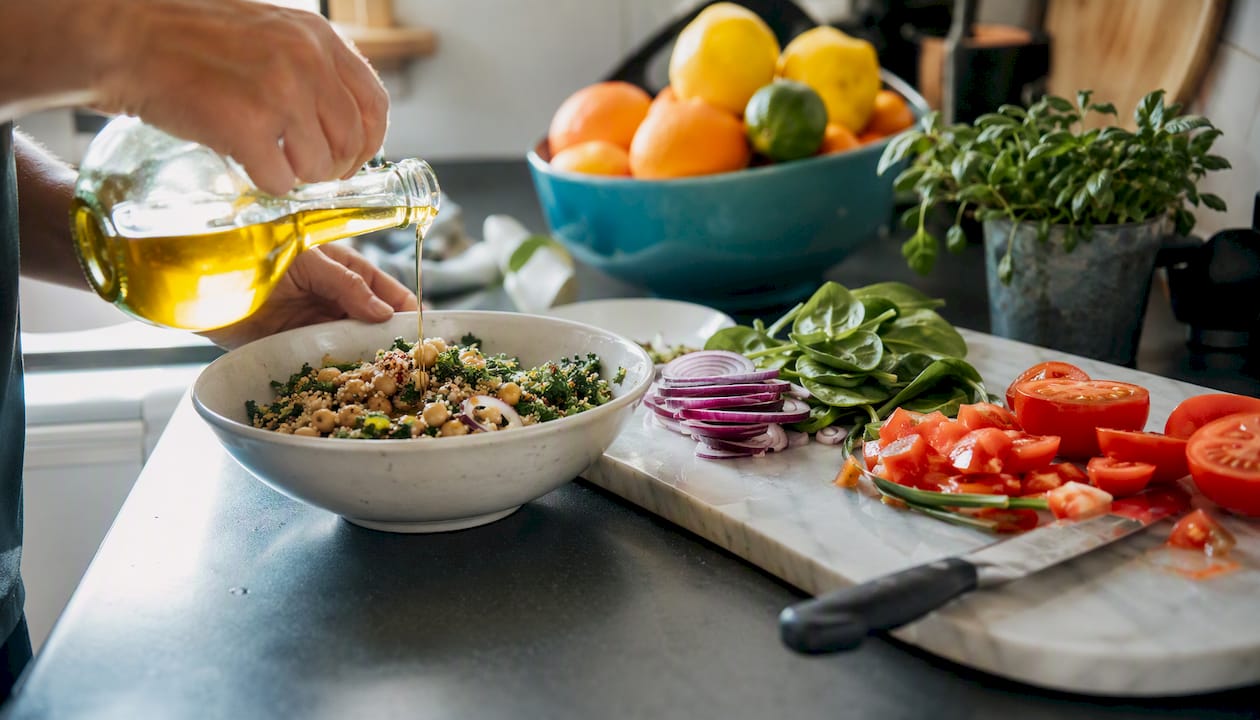
**Heme vs. Non-heme iron sources: That gap is real, but it’s manageable with smart pairing.
Best iron sources for teen girls:
- Heme sources: Lean red meat (beef, lamb), chicken thighs, canned tuna, salmon, oysters
- Non-heme sources: Lentils, kidney beans, chickpeas, tofu, edamame, pumpkin seeds, fortified breakfast cereals, spinach, dried apricots
- Fortified foods: Many breakfast cereals provide 100% of the daily iron RDA per serving. Check the label.
Pairing for better absorption:
- Fortified cereal + strawberries or orange juice
- Lentil soup + tomatoes or a squeeze of lemon
- Spinach salad + bell peppers and citrus dressing
- Beans + salsa (tomatoes are a great vitamin C source)
Cooking in a cast-iron skillet can also add small amounts of iron to food, particularly with acidic dishes like tomato sauce. It’s a simple, low-effort boost for families who already cook at home.
What to avoid around iron-rich meals:
- Dairy products and calcium-rich foods reduce non-heme iron absorption. Try to space them at least an hour apart from iron-rich meals.
- Coffee and tea contain tannins that bind iron. Encourage your daughter to wait at least an hour after an iron-rich meal before having either.
Pro Tip: For vegetarian or vegan teens, the nutrition guide for puberty prep at Themonthliesbox walks through practical food strategies specifically for girls approaching and experiencing their first periods.
When to seek medical care and what monitoring looks like
Some symptoms need prompt attention. Others call for a scheduled appointment rather than an urgent visit. Knowing the difference helps you respond calmly and confidently.
Red flags that need same-day or urgent care:
- Fainting or near-fainting (syncope)
- Chest pain or rapid heart rate at rest
- Severe weakness that prevents normal activity
- Extremely heavy bleeding (soaking through protection every hour for several hours)
For anything less acute, a scheduled visit with her pediatrician or family doctor is the right move. Bring your symptom log, menstrual tracking notes, and any supplement she’s currently taking.
Typical monitoring timeline for oral iron treatment:
| Situation | Recheck Labs | What to Look For |
|---|---|---|
| Iron deficiency, no anemia | 2–3 months after starting treatment | Ferritin rising toward normal range |
| Iron-deficiency anemia | 1 month after starting treatment | Hemoglobin response (should rise by ~1–2 g/dL) |
| Full repletion | Several months after normalization | Ferritin stable, symptoms resolved |
Home monitoring checklist:
- Weekly symptom log (energy, concentration, exercise tolerance)
- Menstrual bleeding tracker (days, flow heaviness, clots)
- Supplement adherence log (dose taken, any side effects)
- Upcoming lab appointment noted in a shared family calendar
Recovery takes time. Ferritin levels can take several months to fully normalize even after hemoglobin improves. Staying consistent with follow-up appointments is one of the most important things you can do.
How to talk with your teen about fatigue, testing, and iron
Bringing up iron deficiency with a teenager requires a light touch. Most teens don’t want to feel like something is “wrong” with them, and they may push back on the idea of a blood test or a new supplement routine.
Conversation starters that tend to work:
- “I’ve noticed you seem more tired lately, even after a good night’s sleep. I just want to make sure your body has everything it needs.”
- “A lot of girls your age run low on iron after their periods start. It’s super common and really easy to check. Would you be okay with asking the doctor about it at your next visit?”
- “Your coach mentioned you’ve been getting winded faster than usual. That can sometimes be a sign your iron is low. Want to find out?”
Tips for involving her in the process:
- Let her choose the form of iron supplement (liquid vs. tablet) if her clinician offers options
- Show her the food pairing strategies and ask her to pick a few meals she’d actually eat
- Use a period tracking app together so she feels in control of her own data, not monitored
- Respect her privacy with test results; share only what she’s comfortable with
Pro Tip: Themonthliesbox’s Amethyst Method, built around the Affirm, Understand, and Equip phases, gives parents a ready-made framework for these conversations. The self-care routine guide is a great starting point for opening up about period health in a way that feels supportive rather than clinical.
For parents who want to understand what menarche means and what to expect in the months after a first period, that context makes these conversations much easier to start.
Why accurate iron guidance is part of puberty confidence
At Themonthliesbox, we believe that preparing a girl for puberty means more than handing her a pad. It means giving her, and you, the knowledge to recognize when her body needs support. Iron deficiency is one of the most common and most overlooked health concerns for teen girls, and it directly affects how she feels, how she performs, and how she experiences her own growing body.
The Amethyst Method was built on exactly this kind of layered support: affirm that her body is doing something remarkable, help her understand what it needs, and equip her with practical tools to care for it. Accurate, medically grounded guidance on iron is part of that mission. When a girl knows why she’s tired and what to do about it, she doesn’t just feel better physically. She feels more confident and more in control of her own health.
*[brand_signal] [author_bio]
Period prep tools that support your daughter’s whole health
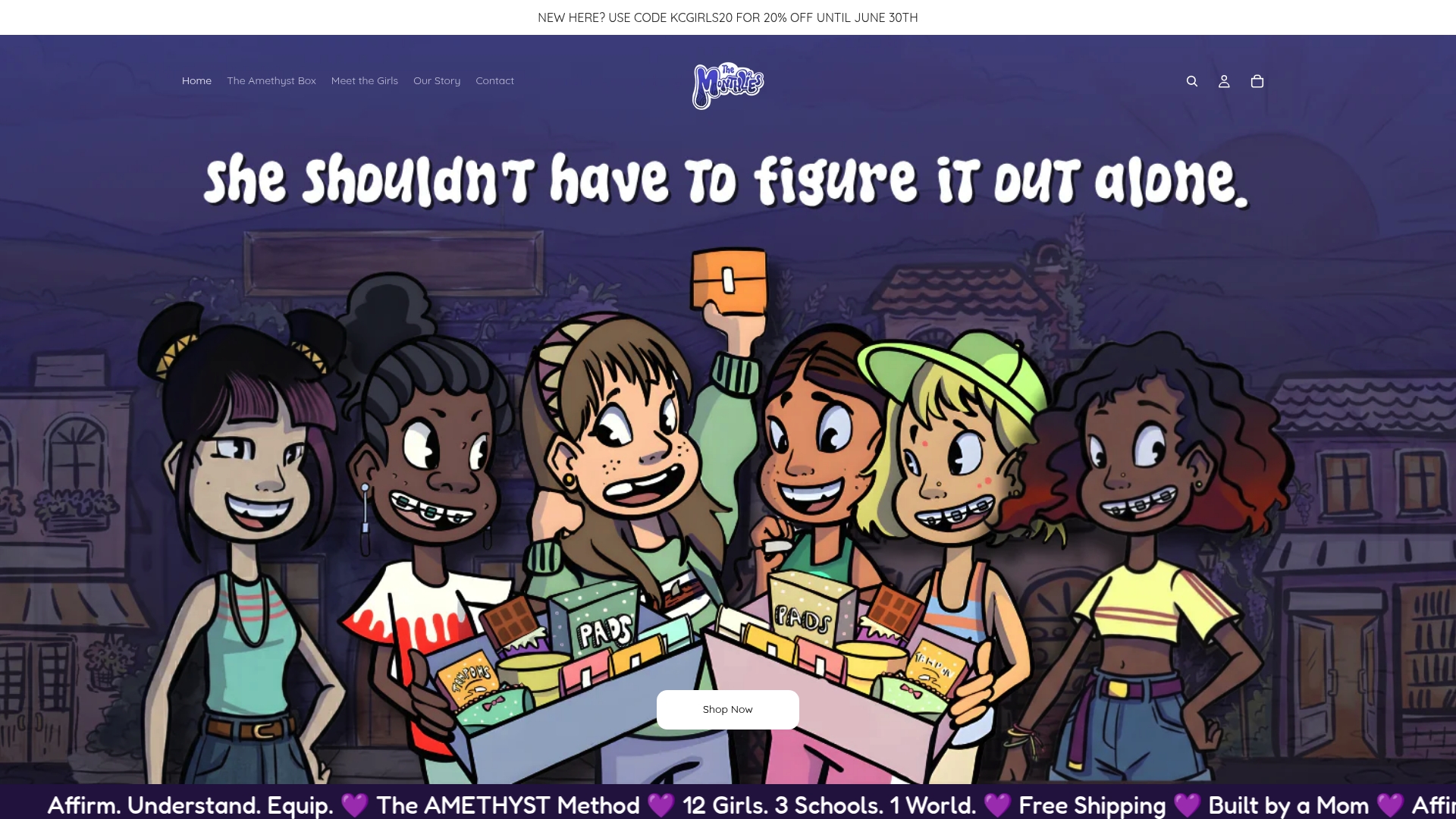
Iron health and period preparedness go hand in hand. When your daughter has the right supplies, the right knowledge, and a support system around her, managing her period feels less like a burden and more like something she’s ready for.
Themonthliesbox offers the Amethyst Box, a first-period kit built around the Amethyst Method, with educational materials, affirmation cards, and practical period supplies sized for tweens. For families who want something portable, the On-The-Go Kit keeps essentials close at school or practice. And for a fuller experience, the Deluxe Box adds comfort items and a 40oz tumbler to the mix.
These kits are designed to complement medical care, not replace it. Supplements and treatment always need a clinician’s guidance. But the emotional readiness, the confidence, and the practical preparedness? That’s where Themonthliesbox meets your family. Visit The Monthlies to find the right kit for your daughter.
Sources
These are the primary sources behind this guide. Sharing them with your daughter’s clinician can help ground any conversation in the same evidence.
- Iron - Consumer
- Ironing out iron deficiency in children and teens
- Healthychildren
- Give Your Teen’s Iron a Boost
- Nutritional Strategies for Managing Iron Deficiency in Adolescents: Approaches to a Challenging but Common Problem
This article provides general health information and is not a substitute for professional medical advice. Always consult your daughter’s clinician for diagnosis, testing, and treatment decisions.
0 comments