

Nutrition is one of the few modifiable factors that directly shapes when and how a girl’s first period arrives. The role of nutrition before first period goes far beyond calories. What your daughter eats in the years leading up to menarche (the medical term for a girl’s first menstruation) influences her hormone levels, body composition, and even her emotional readiness for this milestone. Balanced diet is one of the few modifiable factors parents can actively shape. That makes food choices one of the most practical tools you have right now.
What nutrients and foods influence the timing of the first period?
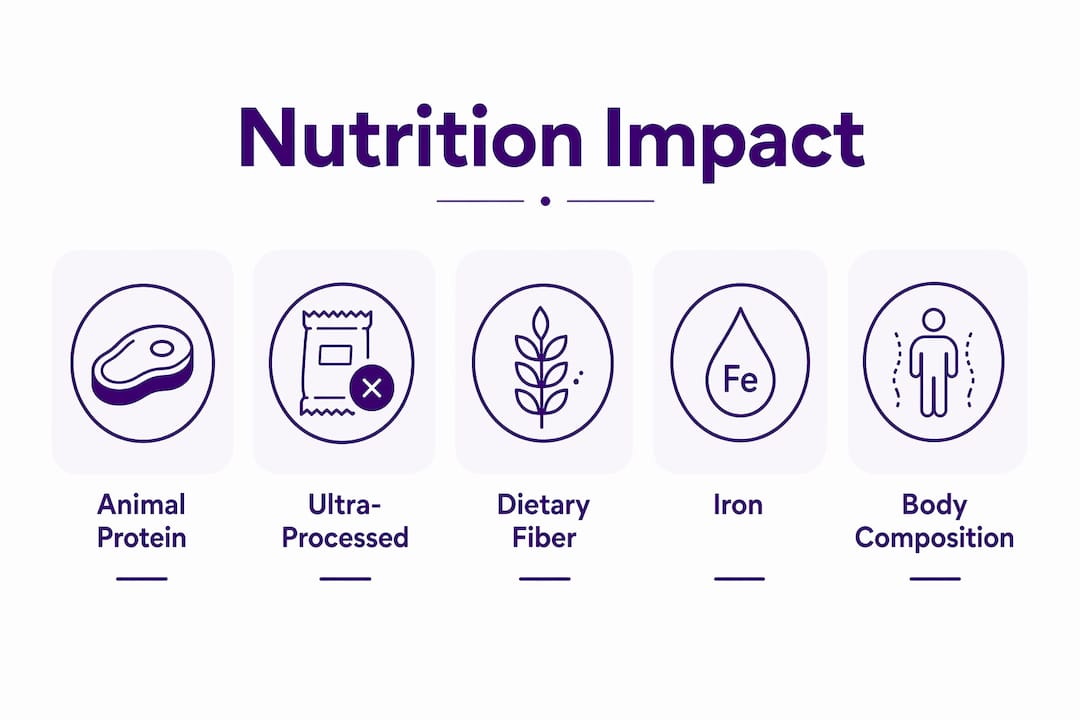
The diet impact on first period timing is real and measurable. A meta-analysis of 10,884 girls across 16 studies found that high calorie and animal protein consumption in childhood links to earlier menarche. Dietary fiber and monounsaturated fats, found in foods like avocados, olive oil, and whole grains, associate with later onset. That distinction matters because earlier puberty carries its own set of physical and emotional challenges for young girls.
Ultra-processed foods are a particular concern. Girls in urban settings who consumed 35% of their daily calories as ultra-processed junk food reached puberty earlier than rural girls whose junk food intake sat at 15%. The urban group averaged 2,100 kcal per day compared to 1,800 kcal for rural girls. This is not simply a calorie story. Ultra-processed foods trigger systemic inflammation that activates endocrine signals tied to puberty, independent of weight gain.
Here is a quick breakdown of key nutrients and their known influence on menarche timing:
| Nutrient or food type | Influence on menarche timing |
|---|---|
| Animal protein (high intake) | Associated with earlier first period |
| Dietary fiber | Associated with later, more typical onset |
| Monounsaturated fats (olive oil, avocado) | Associated with later onset |
| Ultra-processed foods | Accelerate puberty via inflammation |
| Iron and vitamin D | Support menstrual regularity and bone health |
| Omega-3 fatty acids | Support hormonal balance and reduce cramps |
Other nutrients play a supporting role in pre-menstrual nutritional needs. Iron prepares the body for the blood loss that comes with menstruation. Vitamin D supports bone density during rapid growth. Omega-3 fatty acids, found in salmon, walnuts, and flaxseed, help regulate the hormones that govern the menstrual cycle.
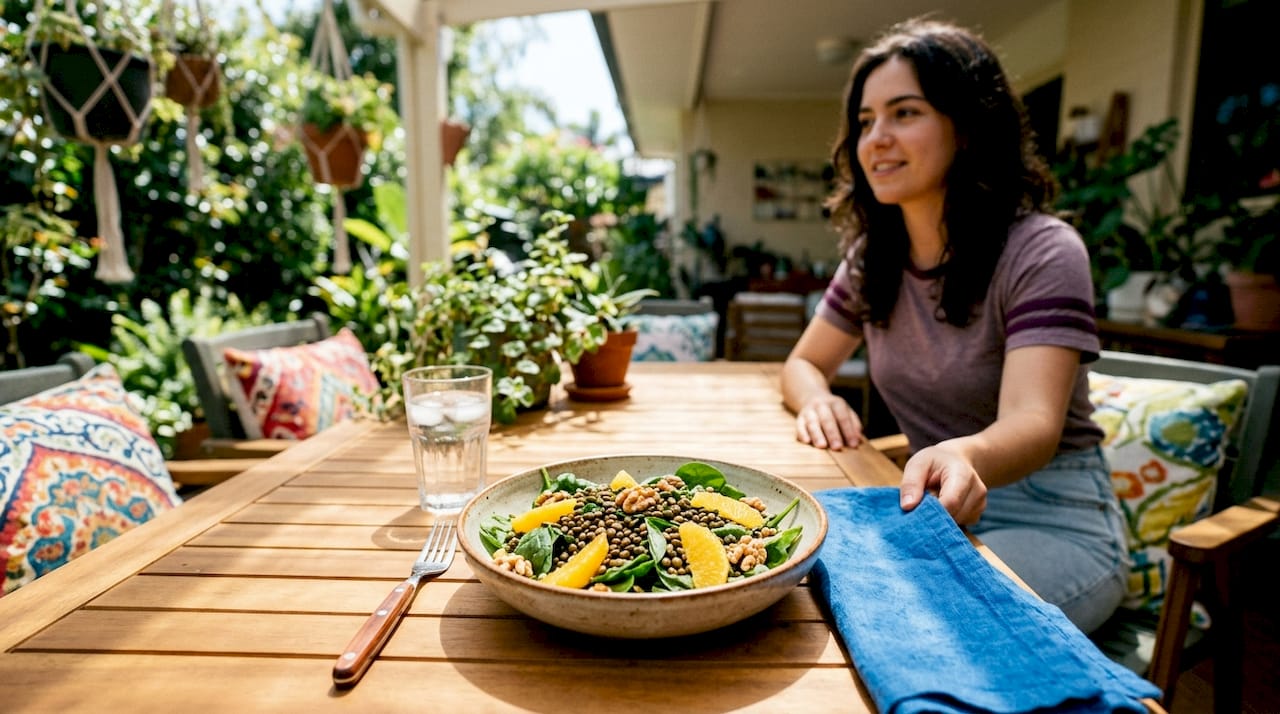
Pro Tip: Pair iron-rich foods like spinach or lentils with a vitamin C source like orange juice or bell peppers. Iron absorption requires vitamin C to work efficiently, and simply eating more iron without it falls short.
How does body composition affect when menstruation begins?
Body composition matters more than most parents realize. Normal BMI correlates with typical menarche age, with a statistically significant relationship confirmed across adolescent populations. In one study, 63.9% of adolescents with normal nutritional status reached puberty at the expected age. That number drops when nutrition is poor in either direction, too little or too much.
What surprises many parents is that body fat alone does not tell the full story. Lean muscle and bone mass predict menarche timing more accurately than body fat percentage alone. Fat-free mass, meaning the combined weight of muscle, bone, and organs, signals to the reproductive system that the body is ready to support a menstrual cycle. A girl who is thin but lacks adequate muscle and bone density may still experience delayed puberty.
Undernutrition is a real risk. Early-life nutritional deprivation and anemia delay puberty and lead to menstrual irregularities that can persist into adulthood. This means restrictive eating, whether from food insecurity or intentional dieting, can push back menarche and create long-term cycle problems. The goal is not thinness. The goal is nourishment.
Pro Tip: Focus on building muscle through physical activity and protein-rich meals rather than managing your daughter’s weight. Strong, well-nourished bodies reach healthy milestones at the right time.
Practical dietary strategies parents can use right now
The importance of nutrition for girls in the years before their first period comes down to a few consistent habits. You do not need a complicated plan. You need a steady foundation of whole, varied foods.
Start with these priorities:
- Build every meal around whole foods. Fruits, vegetables, whole grains, and lean proteins give the body the raw materials it needs for hormonal development. Think brown rice, sweet potatoes, eggs, and leafy greens as everyday staples.
- Prioritize iron-rich foods daily. Red meat, beans, lentils, tofu, and fortified cereals all contribute to iron stores. Pair them with vitamin C sources at the same meal to maximize absorption, as dietitian Ro Huntriss recommends.
- Add omega-3 sources three times a week. Salmon, sardines, walnuts, and chia seeds support hormonal balance and may reduce the severity of cramps once periods begin. These are foods for menstrual health that pay off before the first period even arrives.
- Cut back on ultra-processed foods. Chips, packaged snacks, fast food, and sugary drinks are the main drivers of the inflammation that accelerates puberty. Reducing them does not require perfection. Aim for progress, not elimination.
- Keep calcium and vitamin D consistent. Dairy, fortified plant milks, and leafy greens support bone density during the rapid growth phase of puberty. Vitamin D from sunlight and fortified foods helps the body use that calcium effectively.
Beyond specific foods, hydration matters too. Appetite often increases in the months before a first period as the body prepares. This is normal. Responding with nourishing, filling foods rather than restriction supports both physical development and emotional confidence.
- Watch for increased hunger and treat it as a signal, not a problem.
- Keep healthy snacks accessible so your daughter can respond to her body’s cues.
- Avoid labeling foods as “bad.” Neutral language around food builds a healthier relationship with eating long term.
You can learn more about the full picture of what drives puberty timing in this guide to first period causes from Themonthliesbox.
What myths about diet and puberty should parents stop believing?
The most common myth is that calorie restriction delays puberty and is therefore safe or even beneficial. It is not. Nutritional deprivation delays menarche and disrupts menstrual regularity for years afterward. Restricting a growing girl’s food intake to manage her weight or delay puberty causes real harm to her developing reproductive system.
Another myth is that weight is the only variable that matters. Weight is one signal. But inflammation from ultra-processed foods influences hormones beyond what the scale shows. A girl at a “normal” weight who eats mostly packaged, processed food still faces elevated inflammatory markers that push puberty earlier. Food quality shapes hormone levels regardless of body size.
“Good childhood nutrition sets the foundation not just for puberty timing, but for lifelong menstrual health and regularity.”
Cultural and lifestyle factors also shape nutrition and menstruation in ways that go beyond food choices alone. Sleep, stress, physical activity, and family eating patterns all interact with diet. No single food causes or prevents early puberty. The pattern across months and years is what matters. Parents who focus on building a positive, nourishing food environment do more good than those who fixate on any one nutrient or restriction.
- Myth: Eating less protein delays puberty safely. Fact: Protein restriction reduces fat-free mass and can delay puberty in harmful ways.
- Myth: Only overweight girls experience early puberty. Fact: Inflammation from poor diet quality accelerates puberty independent of weight.
- Myth: Supplements can replace a balanced diet. Fact: Whole foods deliver nutrients in combinations the body absorbs and uses more effectively than isolated supplements.
For more on the full range of factors that influence when a first period arrives, Themonthliesbox has a detailed parent’s guide to period timing worth reading alongside this one.
Key takeaways
Good childhood nutrition shapes both the timing and the long-term quality of a girl’s menstrual health, making food choices one of the most practical tools parents have before the first period arrives.
| Point | Details |
|---|---|
| Diet shapes menarche timing | High animal protein and ultra-processed foods link to earlier puberty; fiber and healthy fats link to later onset. |
| Body composition over weight | Lean muscle and bone mass predict menarche timing better than body fat percentage alone. |
| Iron needs vitamin C | Pairing iron-rich foods with vitamin C sources maximizes absorption and prepares the body for menstrual blood loss. |
| Restriction causes harm | Calorie restriction and undernutrition delay puberty and create long-term menstrual irregularities. |
| Food quality beats food quantity | Inflammation from ultra-processed foods accelerates puberty regardless of a girl’s weight or calorie intake. |
What I’ve learned about nutrition and puberty preparation
Parents often come to this topic worried about weight. I understand that instinct. But after working with families navigating puberty preparation, the most important shift I have seen is when parents move from managing their daughter’s body to nourishing it.
The research confirms what feels true in practice. A girl who grows up eating whole foods, getting enough iron, and staying hydrated is not just more likely to reach menarche at a typical age. She is more likely to have regular, manageable cycles from the start. Good nutrition in childhood sets the foundation for lifelong menstrual health. That is a long-term gift, not a short-term fix.
The hardest part for most parents is letting go of the idea that there is a perfect diet to follow. There is not. What works is consistency, variety, and a home environment where food is nourishing and not stressful. Your daughter picks up on your relationship with food. Model calm, confident eating, and she will too.
Pre-menstrual nutritional needs are not complicated. They are just easy to overlook when puberty feels like something that happens to your daughter rather than something you can actively support. You have more influence here than you think. Use it with warmth, not pressure.
— The
Preparing your daughter for her first period, one step at a time
Nutrition is a powerful foundation, and pairing it with the right emotional and practical tools makes all the difference. When your daughter is ready for her first period, she deserves to feel supported, prepared, and confident, not caught off guard.

Themonthliesbox created the Amethyst Box specifically for this moment. It combines affirmations, educational materials, and practical period supplies into one thoughtfully curated first period kit. The Amethyst Method guides girls through affirming, understanding, and equipping themselves for this milestone. Nutrition builds the body. The Amethyst Box builds the confidence to go with it. You can also explore the self-care routine guide to help your daughter build healthy habits that complement everything she is learning about her body.
FAQ
What foods help prepare a girl’s body for her first period?
Iron-rich foods like lentils and spinach, omega-3 sources like salmon and walnuts, and fiber-rich whole grains all support healthy hormonal development before menarche. Pairing iron with vitamin C improves absorption and prepares the body for menstrual blood loss.
Can diet delay or speed up when a girl gets her first period?
Yes. High intake of animal protein and ultra-processed foods associates with earlier menarche, while dietary fiber and healthy fats associate with later, more typical onset. Food quality and inflammation levels both influence puberty timing.
Is it harmful to restrict calories before a girl’s first period?
Calorie restriction and undernutrition delay puberty and lead to menstrual irregularities that can persist into adulthood. The goal is nourishment and building lean mass, not reducing food intake.
Does body weight determine when menstruation starts?
Body weight is one factor, but lean muscle and bone mass predict menarche timing more accurately than body fat alone. A well-nourished body with adequate fat-free mass signals reproductive readiness more reliably than weight on a scale.
How does inflammation from junk food affect puberty?
Ultra-processed foods trigger systemic inflammation that activates endocrine signals tied to puberty, independent of calorie intake or body weight. Reducing processed food consumption lowers this inflammatory effect and supports more typical puberty timing.
0 comments