

A complete period kit has six must-haves: unscented pads in multiple sizes, panty liners, at least one higher-absorbency option (tampons or a menstrual cup), period underwear as a backup, a pain-relief item (a heating patch or an OTC pain reliever like ibuprofen), and hygiene basics including unscented wipes, hand sanitizer, and a resealable disposal bag. Alongside those supplies, emotional preparation matters just as much. Themonthliesbox’s Amethyst Method — built around three phases: affirm, understand, and equip — provides parents with a clear framework for turning a stressful milestone into a confident one.
- Unscented pads (regular and overnight sizes)
- Panty liners for light days and backup protection
- Tampons or a menstrual cup for higher-flow days (when comfortable)
- Period underwear as a leak-proof backup layer
- Heating patch or ibuprofen for cramps
- Unscented wipes, hand sanitizer, and a resealable bag for used items
Pack one of each in a small pouch for school, or keep a stocked on-the-go kit in a backpack or desk drawer so she is always ready.
Table of Contents
- What are the best period essentials for a first kit?
- How do you pack a period kit for school, travel, and overnight?
- How do you choose the right starter products for a first period?
- How do you clean and care for reusable period products?
- Building a confidence-first kit with the Amethyst Method
- How do you keep a period kit stocked and ready every month?
- How do periods affect emotions and mood?
- What should you eat and drink during your period?
- Key Takeaways
- Why emotional preparation is the part most parents skip
- The Monthlies kits take the guesswork out of building a period kit
- Useful sources and further reading
What are the best period essentials for a first kit?
Every product category serves a different purpose, and knowing which to reach for on which day makes the whole experience feel manageable. Here is what each one does and when it earns its place in the kit.
Pads are the natural starting point. Banner Health recommends pads as the easiest first product because there is nothing to insert, nothing to learn under pressure, and teen-sized unscented options are widely available. Keep at least one regular and one overnight pad in any kit.
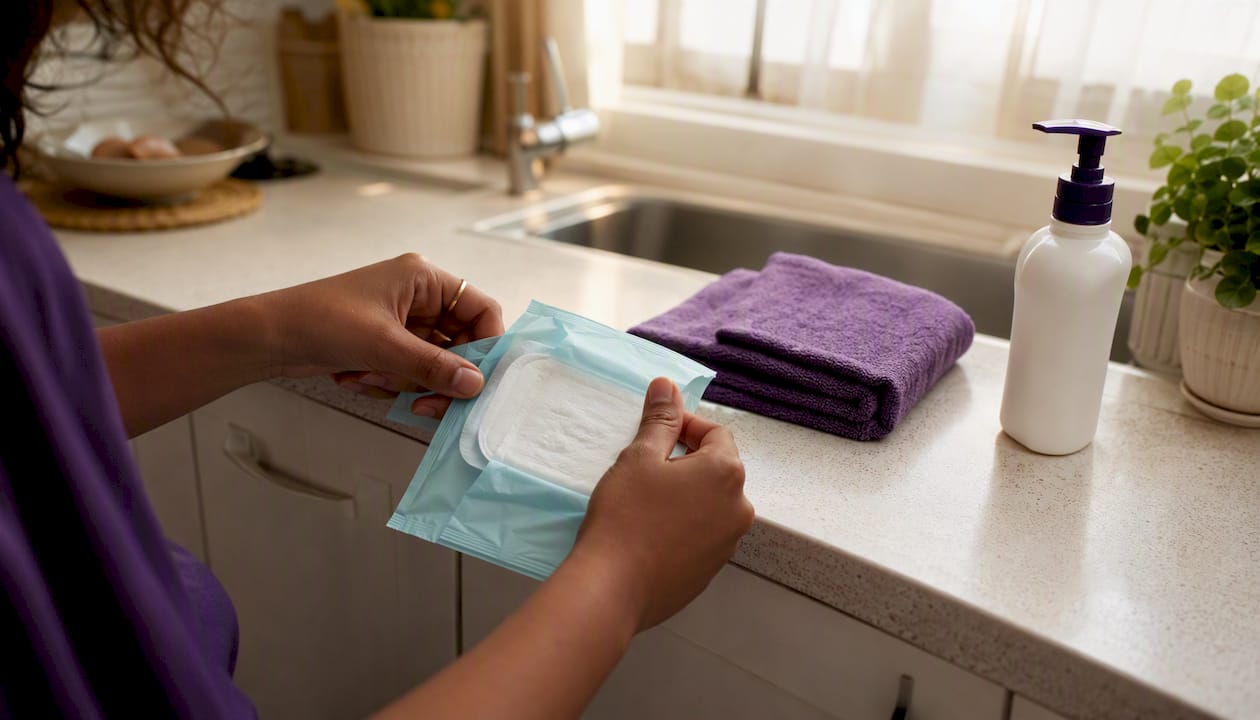
Panty liners are thinner than pads and work well on the lightest days of a cycle or as a backup layer under period underwear. They take up almost no space, which makes them a smart addition to every pouch.
Tampons offer freedom of movement and are a good fit for swimming or active days once a girl feels comfortable with internal products. The FDA advises choosing the lowest absorbency needed for the flow on a given day, and NHS guidance is clear: change tampons every 4–6 hours to reduce the already small risk of toxic shock syndrome (TSS). Always wash hands before and after.
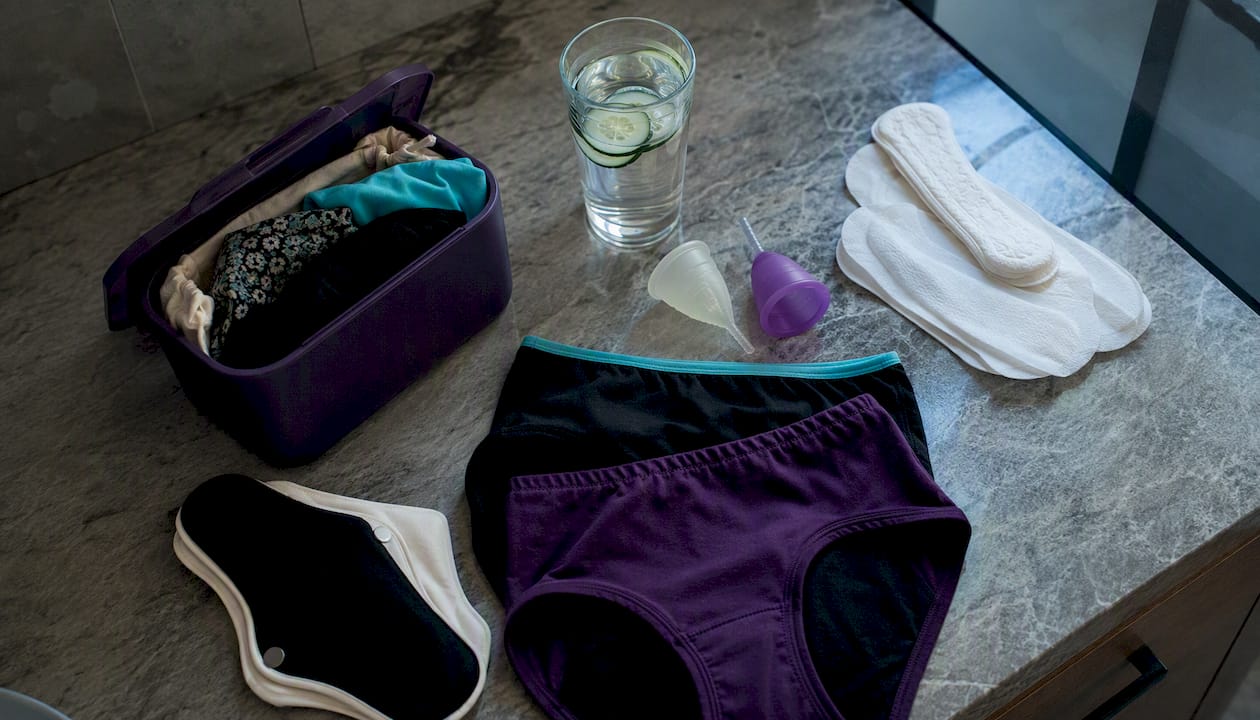
Menstrual cups are reusable silicone cups worn internally. They hold more fluid than a tampon and can stay in place for up to 8–12 hours, making them popular for longer wear and overnight use. They require a learning curve and access to sterilization routines, so they are better introduced after a girl has had a few cycles and feels ready. From a sustainability standpoint, life-cycle assessments rank menstrual cups as the lowest-impact period product compared with disposable pads and tampons.
Period underwear looks and feels like regular underwear but has a built-in absorbent layer. It works as a standalone product on lighter days or as a backup under a pad or tampon on heavier ones. For tweens who feel nervous about leaks, it is one of the most confidence-building additions to a kit.
Scented products are worth avoiding entirely. NHS guidance warns that scented wipes and internal cleansers can irritate the vulva and are not needed. Mild, fragrance-free cleaning of the external area is all that is necessary.
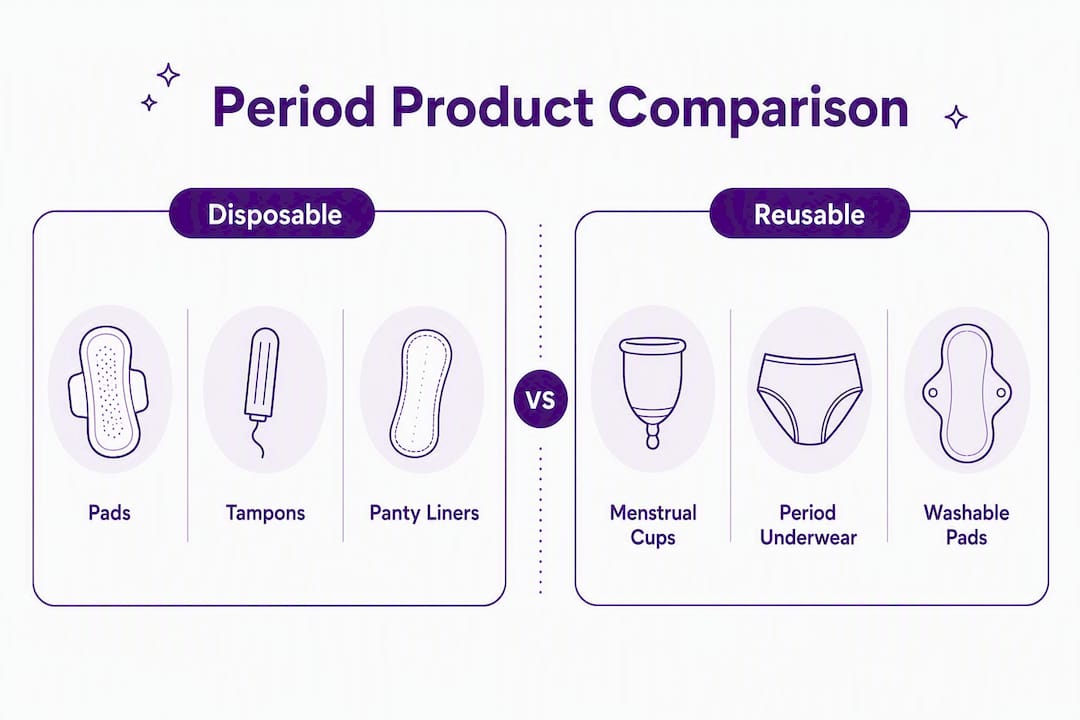
Product comparison: which option fits which situation?
| Product | Best for | Reusable vs. disposable | Ease of use | Absorbency | Maintenance | Portability |
|---|---|---|---|---|---|---|
| Pads (disposable) | First period, overnight, heavy flow | Disposable — no cleaning, more waste | Very easy | Regular to overnight | None | Bulkier; wrap individually |
| Panty liners | Light days, backup layer | Disposable | Very easy | Light | None | Very compact |
| Tampons | Active days, swimming | Disposable | Moderate — needs practice | Regular to super | None; change every 4–6 hours | Very compact |
| Menstrual cup | Longer wear, sustainability | Reusable — lasts several years | Steeper learning curve | High | Wash and sterilize each cycle | Compact once learned |
| Period underwear | Backup, light days, confidence | Reusable — rinse and machine wash | Very easy | Light to moderate | Rinse cold, machine wash, air dry | Bulkier; needs a wet bag |
Pro Tip: Start with pads and panty liners for most tweens. Once she has had two or three cycles and feels comfortable, introduce period underwear as a backup layer. Save tampons and cups for when she asks about them — there is no rush, and confidence builds faster when she leads the timing.
About 20 billion disposable menstrual products are discarded each year in the U.S., creating real landfill and microplastic concerns. That figure is worth keeping in mind when choosing between disposable and reusable options, especially for families thinking long-term. For a deeper look at eco-friendly menstrual options, Themonthliesbox’s sustainability guide walks through the tradeoffs clearly.
How do you pack a period kit for school, travel, and overnight?
The right kit depends on where she is going and how long she will be away. Here are three scenario-specific checklists, plus a first-period survival pouch for home.
School kit (fits in a pencil case or small pouch)
A discreet school kit with the right items reduces anxiety and prevents the kind of embarrassing moments that stick in memory. Keep it in the front pocket of a backpack or in a desk drawer.
- a few unscented pads (including regular and overnight sizes)
- 2 panty liners
- 1 spare pair of dark underwear (rolled up small)
- Unscented wipes (travel pack)
- Hand sanitizer (small bottle)
- Resealable zip bag for used items
- Small stain remover wipe or stick
- Optional: a note from a parent for the school nurse
Travel and overnight kit
- Overnight pads or period underwear for heavier nighttime flow
- Extra tampons or a menstrual cup if she uses them
- Waterproof resealable pouch for used items
- Heating patch for cramps
- Ibuprofen or naproxen if age-appropriate and allowed
- Spare leggings or dark shorts
- Unscented wipes and hand sanitizer
First-period survival kit (at home, first time)
This one is less about logistics and more about calm. Keep it somewhere she can find it without asking:
- 2–3 pads in different sizes so she can see what regular vs. overnight looks like
- A simple, clear explanation sheet about what is happening and why
- An affirmation card (the Amethyst Method includes these)
- A small comfort item: a warm pair of socks, a favorite snack, or a heat pack
- A note from you telling her she is doing great
Pro Tip: Fitting everything into a small pouch is easier than it sounds. Roll the spare underwear tightly, tuck wipes flat along one side, and stack pads at the bottom. A pencil-case-sized pouch holds more than most parents expect.
For more school-day guidance, Themonthliesbox’s post on handling a period at school covers what to coach your daughter on before the school year starts.
How do you choose the right starter products for a first period?
The decision does not need to be complicated. Start simple, then build from there as comfort and confidence grow.
Most tweens do best beginning with pads. They are external, require no insertion, and come in teen-friendly sizes. From there, the progression tends to look like this:
- Start: Regular unscented pads and panty liners
- Add next: Period underwear as a backup or standalone for lighter days
- Introduce later: Tampons for swimming or active days, once she feels ready and has practiced with guidance
- Consider eventually: A menstrual cup for longer wear and lower environmental impact, when she is comfortable with internal products and has access to a sterilization routine
Reusable vs. disposable: a quick comparison
| Product type | Typical lifespan | Upfront cost shape | Typical wear time |
|---|---|---|---|
| Disposable pads | Single use | Low per unit; adds up monthly | 4–8 hours depending on flow |
| Tampons | Single use | Low per unit | 4–6 hours (change per NHS guidance) |
| Menstrual cup | Several years with proper care | Higher upfront; low ongoing | Up to 8–12 hours |
| Period underwear | 1–2 years with proper care | Moderate per pair | 8–12 hours on light days |
When flow is very heavy or cramps are severe enough to interfere with daily activities, that is worth a conversation with a pediatrician. Banner Health pediatric guidance recommends consulting a provider if bleeding soaks through a pad in under an hour or if pain is not managed by standard OTC options. TSS reminders apply to any internal product: change tampons every 4–6 hours, and sterilize cups between cycles.
For a fuller breakdown of age-appropriate options, Themonthliesbox’s first-period product guide for parents covers the decision in plain, practical terms.
How do you clean and care for reusable period products?
Reusables save money and reduce waste, but they do need a consistent care routine to stay hygienic and last as long as they should.
Menstrual cup care
- Before first use: boil the cup in water for 5–7 minutes to sterilize it.
- During your cycle: empty every 4–8 hours (or per the manufacturer’s guidance), rinse with cold water first, then wash with mild unscented soap.
- On the go: if a sink is not available, wipe the cup with unscented period wipes and rinse as soon as possible.
- Between cycles: boil again for 5–7 minutes, dry completely, and store in the breathable pouch it came with. Never store in an airtight container.
- Replacement: most cups last several years with proper care. Replace if you notice cracks, stickiness, or discoloration.
Period underwear care
Rinse in cold water immediately after wearing to remove most of the blood before it sets. Then machine wash on a cold, gentle cycle with mild detergent. Skip the fabric softener — it coats the absorbent fibers and reduces effectiveness over time. Air dry flat or hang; the dryer shortens the lifespan of the absorbent layer. With this routine, a well-made pair typically lasts one to two years.
Disposing of disposables responsibly
Wrap used pads or tampons in the wrapper from the new one, or in a small piece of toilet paper, and place them in the trash. Never flush them. Flushing pads or tampons blocks pipes and contributes to water system pollution. For school or travel, a resealable zip bag keeps used items contained and odor-free until a trash can is available.
Do not: use douches, scented wipes internally, or share reusable cups or underwear with anyone. The CDC’s menstrual hygiene guidance and NHS sources both recommend mild, fragrance-free external cleaning only.
A very large number of disposable menstrual products are discarded in the U.S. each year, and single-use pads can contain a high percentage of plastic by weight. Switching even one product to a reusable option makes a measurable difference over time.
Building a confidence-first kit with the Amethyst Method
Supplies alone do not make a girl feel ready. What actually shifts the experience from scary to manageable is pairing the practical items with emotional preparation. Pediatric experts at Banner Health are clear on this: practicing pad placement at home, having a calm conversation before the first period arrives, and framing menstruation as a normal milestone all reduce fear significantly.
Themonthliesbox’s Amethyst Method structures that preparation into three phases:
- Affirm: She hears and reads affirming messages that normalize what her body is doing. An affirmation card in the kit does this quietly and powerfully.
- Understand: Educational materials explain what is happening, why, and what to expect. No surprises, no shame.
- Equip: The right supplies are ready, sized for tweens, and presented as tools rather than emergency items.
A confidence-first kit built around this method might include:
- 2 unscented pads (regular and overnight)
- 2 panty liners
- A heat patch for cramps
- A spare pair of underwear
- Unscented wipes
- An affirmation card
- A short educational insert
- A small treat or comfort item
Presenting this kit as a gift rather than a medical supply changes everything about how a girl receives it. It becomes a milestone, not a warning.
Pro Tip: Practice matters. Banner Health recommends letting tweens practice removing the adhesive backing and placing a pad in underwear before their period actually starts. It is a small motor skill, and learning it calmly at home means she will not be figuring it out under pressure in a school bathroom.
The Amethyst Box from Themonthliesbox is built around exactly this approach, and the On-The-Go Kit is designed to live in a backpack or desk so she is covered wherever she is.
For conversation scripts and calming techniques, Themonthliesbox’s post on staying calm during a first period gives parents and girls practical language to use together.
How do you keep a period kit stocked and ready every month?
A kit that runs out of supplies is not a kit. Building a simple restock rhythm takes about five minutes after each cycle.
- After each period: Count remaining pads, liners, and wipes. Replace anything used. Check that the resealable bag is clean or replaced.
- Every 3–6 months: Inspect reusable items. Look for wear on period underwear and check the menstrual cup for cracks or stickiness.
- Annually: Replace period underwear if absorbency has declined. Replace the menstrual cup if it shows visible wear.
Storage tips:
- Keep the school pouch in the same front pocket of the backpack every time. Consistency means she will always know where it is.
- Store heating patches and adhesive pads away from heat and humidity — a bathroom cabinet is often too warm. A bedroom drawer or a cool closet shelf works better.
- Color-code kits if she has more than one: one pouch for school, one for home, one for travel. Different colors remove any guesswork.
Set a monthly calendar reminder to do a quick inventory. Some families tie it to the start of a new month; others link it to a regular grocery run. Either way, five minutes of checking beats the panic of an empty kit.
How do periods affect emotions and mood?
Mood changes before and during a period are real, and they are not a sign that something is wrong. Hormonal shifts, particularly drops in estrogen and progesterone in the days before a period starts, can affect serotonin levels, which influences mood, sleep, and energy. Many girls notice irritability, sadness, or feeling more sensitive than usual in the days before their period arrives.
Naming this for a tween before it happens is one of the most supportive things a parent can do. When she knows that the low mood on day 25 of her cycle is connected to her hormones and not a reflection of her actual life, it becomes something she can observe rather than something that overwhelms her. A simple journal or mood-tracking app can help her spot patterns over a few cycles.
Gentle movement, enough sleep, and limiting caffeine in the days before a period can ease mood symptoms for many girls. If mood changes are severe or interfere with school and friendships, that is worth raising with a pediatrician. Themonthliesbox’s post on common period symptoms covers what is typical and what warrants a closer look.
What should you eat and drink during your period?
What goes into the body during a period has a real effect on how it feels. A few straightforward habits make a noticeable difference.
Stay hydrated. Bloating and cramping can both worsen when the body is dehydrated. Water is the best option; herbal teas like ginger or chamomile are a warm, comforting alternative that some girls find soothing for cramps.
Eat iron-rich foods. Menstruation causes blood loss, and with it, some iron. Foods like lean red meat, beans, lentils, spinach, and fortified cereals help replenish iron stores. Pairing them with a source of vitamin C (like orange juice or bell peppers) helps the body absorb iron more effectively.
Reduce salt and sugar. High sodium intake worsens bloating. Sugary foods can cause energy spikes and crashes that amplify mood swings. Neither needs to be eliminated, but pulling back during the first few days of a period often helps.
Magnesium-rich foods like dark chocolate, nuts, seeds, and leafy greens have been linked to reduced cramping and better sleep during menstruation. A small square of dark chocolate is genuinely a reasonable period snack.
Avoid skipping meals, even when appetite feels off. Keeping blood sugar stable supports both mood and energy during a time when the body is already working harder than usual.
Key Takeaways
A complete, confidence-first period kit pairs the right supplies with emotional preparation, a clear care routine, and a simple restock habit so nothing runs out when it matters most.
| Point | Details |
|---|---|
| Start with pads and liners | Pads are the easiest first product; add panty liners as a backup layer before introducing internal options. |
| Change internal products on schedule | Change tampons every 4–6 hours and sterilize menstrual cups between cycles to reduce TSS risk. |
| Pack for the situation | A school kit needs a spare pair of dark underwear, wipes, a resealable bag, and 2–3 pads in a discreet pouch. |
| Avoid scented products | Scented wipes and internal cleansers can irritate the vulva; fragrance-free is always the safer choice. |
| Themonthliesbox ready-made kits | The Amethyst Box and On-The-Go Kit pair supplies with affirmation cards and educational materials for a confidence-first approach. |
Why emotional preparation is the part most parents skip
Supplies are the easy part. You can order pads online in ten minutes. What takes more intention is the conversation that happens before the kit is ever opened.
Pediatric guidance from Banner Health makes this point plainly: emotional support and simple practice often matter more than product choice for a positive first-period experience. A girl who has heard her parent say “this is normal, your body is doing exactly what it should” is going to handle an unexpected period at school very differently than one who has only been handed a bag of supplies with no context.
The Amethyst Method gets this right. Pairing an affirmation card with a pad is not a gimmick. It is a deliberate signal that the supplies exist because her body is healthy and capable, not because something has gone wrong. That reframe is small in execution and significant in effect.
Parents do not need a script. They need to start the conversation before the period arrives, keep it calm and matter-of-fact, and let her ask questions without making it feel like a big deal. Themonthliesbox’s blog post on staying calm during a first period has practical conversation starters that make this easier.
The Monthlies kits take the guesswork out of building a period kit
Building a first-period kit from scratch means researching products, sizing for tweens, finding the right educational materials, and then figuring out how to present all of it in a way that feels supportive rather than clinical. That is a lot to coordinate.
The Amethyst Box from Themonthliesbox does all of that in one curated package. It is built around the Amethyst Method — affirm, understand, equip — and includes tween-sized period supplies, an affirmation card, educational materials, and comfort items, all presented as a milestone gift rather than a medical kit. For families who want something she can carry every day, the On-The-Go Kit is designed to live in a backpack or desk and includes travel-sized wipes, pads, and small disposal bags. Browse both options at Themonthliesbox and find the kit that fits where she is right now.
Useful sources and further reading
These sources back the safety notes, product guidance, and environmental context in this article.
- Choosing period products | NHS Inform — Covers TSS basics, change intervals for tampons and cups, and guidance on avoiding scented products. The primary safety reference used throughout this article.
- How to Prepare for Your Daughter’s First Period | Banner Health — Pediatric guidance on starter product choices, the value of practice, and when to consult a provider for heavy bleeding or severe pain.
- Pads, pants or cups: Which period product is the most climate-friendly? | BBC Future — Life-cycle comparison ranking menstrual cups as the lowest-impact option, followed by period underwear and reusable pads.
- Eco-friendly menstrual products | David Suzuki Foundation — Context on the environmental scale of disposable menstrual product waste in the U.S., including the estimate of 20 billion items discarded annually.
- Healthy Habits: Menstrual Hygiene | CDC — U.S. public health guidance on menstrual hygiene practices, including disposal and cleaning basics.
- Facts About Tampons and How to Use Them Safely | FDA — Official FDA guidance on tampon absorbency, safe use, and TSS risk reduction.
- Period Bag Must-Haves List for a Girl’s First Period | Themonthliesbox — Practical school-kit checklist and scenario-specific packing guidance from Themonthliesbox’s editorial team.
- Life Cycle Assessment of Sanitary Pads | PMC / NCBI — Peer-reviewed research on the environmental footprint of disposable pads, including plastic composition data.
This article is general information, not medical advice. For concerns about heavy bleeding, severe pain, or TSS symptoms, consult a qualified healthcare provider or visit the FDA’s tampon safety page for current guidance.
0 comments