

Yes, a mild odor during your period is normal, and it’s not a sign that something’s wrong with you. Menstrual blood mixes with vaginal bacteria, changing pH, and air, and that combination naturally creates a scent that’s usually faint and only noticeable up close. It’s not something to feel embarrassed about. But three things are worth paying attention to right away:
- A fishy smell paired with unusual discharge (color, texture, or amount that’s off for you)
- A very foul or rotten smell, especially if it comes on suddenly (this can point to a retained tampon)
- Fever or severe pelvic pain alongside any smell change
If none of those apply to you, keep reading. What you’re noticing is probably just biology doing its thing.
Key Takeaways
Mild period odor is a normal result of blood, bacteria, and pH interacting, while fishy, rotten, or symptom-paired smells call for a clinical evaluation.
| Point | Details |
|---|---|
| Mild odor is expected | Blood oxidation and shifting vaginal flora during your period naturally create a faint scent. |
| Fishy smell needs a look | Especially with abnormal discharge, this often points to bacterial vaginosis and should be evaluated. |
| Foul smell can mean retained product | A persistent, rotten odor is a common sign of a forgotten tampon and usually resolves once it’s removed. |
| Hygiene habits reduce most odor | Frequent product changes, unscented supplies, and gentle washing handle the majority of cases. |
| Prepared kits support daily comfort | Themonthliesbox’s Amethyst Box and On-The-Go Kit provide unscented supplies and education, not medical treatment. |
This article is general information, not a substitute for advice from a qualified doctor. Consult a qualified healthcare professional about your own circumstances before acting on anything here.
Table of Contents
- Why Menstrual Odor Changes and What “Normal” Really Means
- Common Causes of Period Smells: Normal Versus Something to Watch
- What Different Smells Usually Mean
- How to Manage and Reduce Period Odor at Home
- What Clinicians Check and How They Treat Odor-Related Problems
- Simple Period-Care Checklist to Prevent Odor
- Red Flags: When Period Odor Needs Medical Attention
- Practical Period Kit: What to Keep on Hand
- A Note on Worry, Stigma, and Trusting Your Body
- Preparedness That Actually Helps on Period Day
- Sources
Why Menstrual Odor Changes and What “Normal” Really Means
Your period isn’t just blood. It’s shed uterine tissue, cervical mucus, and vaginal secretions, all mixing with the bacterial community that lives in your vagina every day. That community, often called the vaginal microbiome, shifts in composition and pH as your cycle progresses, and changes in that balance directly affect how you smell.
A light metallic scent, a faint muskiness, or a smell that only you can detect when you’re close to your body are all within the range of normal. Hydration, diet, and the products you use can all nudge that scent slightly. So can hormonal shifts tied to your cycle, since oxidizing menstrual blood produces a smell that changes as hormones and bleeding patterns shift. None of this means anything is wrong. It means your body is doing exactly what it’s built to do.
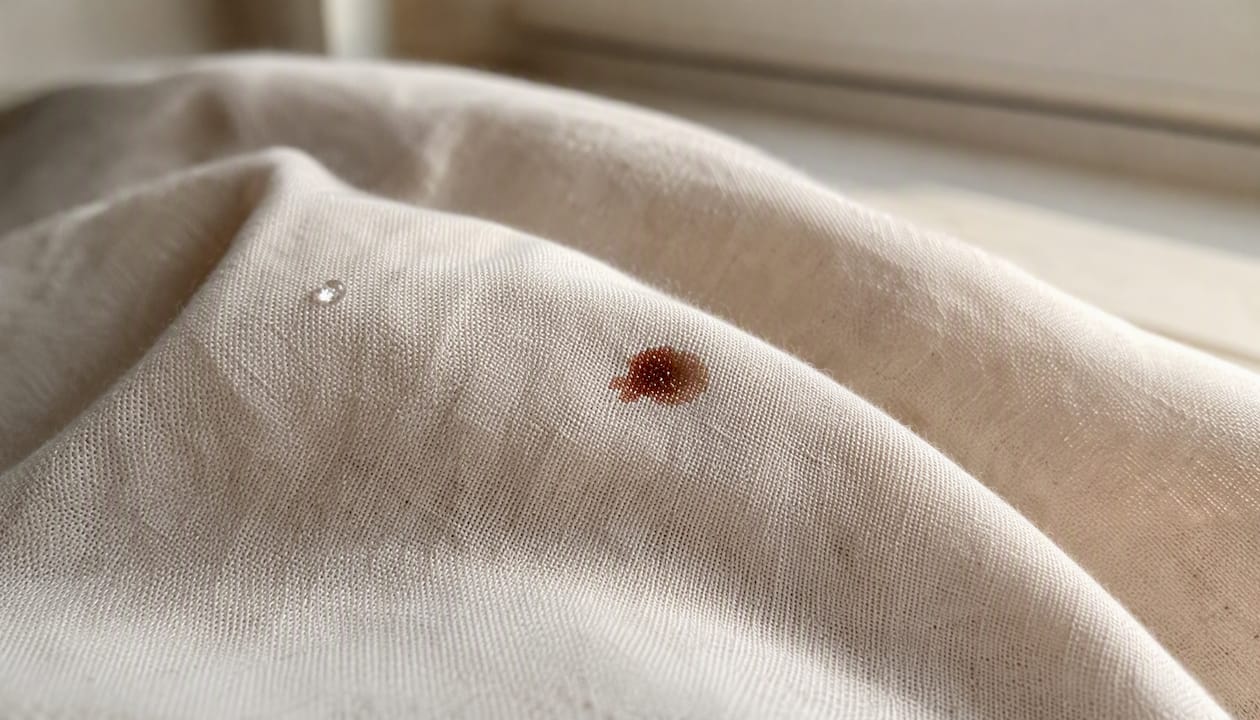
Common Causes of Period Smells: Normal Versus Something to Watch

Most period odor traces back to harmless, mechanical causes. Some causes, though, point to something that needs treatment. Here’s how to tell them apart:
Usually harmless:
- Blood oxidizing when it hits air (this is where that metallic note comes from)
- Sweat mixing with menstrual fluid, especially in warm weather or after exercise
- Moisture buildup in a pad or underwear worn too long
Worth checking out:
- Bacterial vaginosis, an imbalance in vaginal bacteria that often produces a distinct fishy smell
- Trichomoniasis, a sexually transmitted infection with a similar odor profile
- A retained tampon or other foreign object, which can create a persistent, foul smell and raise infection risk
A tampon left in too long is more common than people think, and it’s one of the few causes that turns from “normal” to “needs attention” almost overnight. It’s also worth knowing that antibiotics, hormonal birth control, and other health changes can shift your vaginal flora enough to change how your period smells, even without an infection involved.
What Different Smells Usually Mean
Smell isn’t a diagnosis, but it is a useful clue. Here’s a rough guide to what your nose might be telling you:
- Fishy: Often linked to bacterial vaginosis, particularly when paired with abnormal discharge or irritation. Trichomoniasis can smell similar.
- Rotten or very foul: Raises the possibility of a retained tampon or other foreign object, since studies link retained menstrual products to persistent foul odor and higher infection risk.
- Metallic: The classic period smell, caused by iron in blood reacting with air. Completely normal.
- Sweet or sour: Less common and less specific, sometimes tied to diet or sweat, but worth mentioning to a clinician if it’s new and strong.
- Sweaty or oniony: Usually just sweat mixing with menstrual fluid, especially with a pad worn for many hours.
Pro Tip: Smell rarely travels alone as a warning sign. Pay closer attention to what’s happening alongside it, itching, burning, a fever, or a discharge color you don’t recognize, since smell alone isn’t diagnostic and clinical tests confirm what’s actually going on. Notably, yeast infections tend to show up with itching and thick white discharge rather than a fishy smell, which is a helpful way to rule that one out.
How to Manage and Reduce Period Odor at Home
Most odor concerns respond well to a few simple habit changes. Here’s where to start:
- Change your pad, tampon, or empty your cup regularly throughout the day, more often on heavy days.
- Choose unscented products. Fragrance additives can irritate tissue and disrupt your natural pH, and scented products carry documented risks without a real hygiene benefit.
- Wash the outer vaginal area gently with warm water once a day. Skip douching entirely.
- Wear breathable cotton underwear instead of synthetic fabrics that trap moisture.
- Stay hydrated and switch products if you notice a particular brand seems to make odor worse for you.
Pro Tip: If you use a menstrual cup, rinse it more often than you think you need to on heavy days. Buildup inside the cup, not just leakage, is a sneaky, overlooked source of odor that a lot of people miss.
Following the CDC’s guidance on menstrual hygiene goes a long way toward preventing both infection and unwanted smell. For more first-period basics, Themonthliesbox’s hygiene guide for parents breaks it down step by step.
What Clinicians Check and How They Treat Odor-Related Problems
If home care doesn’t resolve a concerning smell, a clinician will typically start with your history and a physical exam, then run a pH test, a “whiff” test using potassium hydroxide, and a look at the sample under a microscope. If a sexually transmitted infection is suspected, they may order a NAAT (nucleic acid amplification test) for more precise results.
Treatment depends on what’s found:
- Bacterial vaginosis and trichomoniasis are treated with prescription antibiotics
- Yeast infections respond to antifungal medication
- A retained tampon or foreign object is simply removed, which often resolves the odor almost immediately
Most infections clear within a week or two of starting treatment, and odor typically fades well before other symptoms do.
Simple Period-Care Checklist to Prevent Odor
A few consistent habits do most of the work:
- Change pads or tampons regularly throughout the day, more often with heavy flow or after exercise
- Wash the outer genital area once daily with warm water only
- Stick with unscented pads, tampons, and wipes
- Keep a spare product in your bag so you’re never stuck wearing one too long
- Avoid sitting in a wet pad longer than necessary, especially after workouts
If you’ve been doing all of this consistently and the smell hasn’t improved, or other symptoms show up alongside it, that’s your cue to book an appointment rather than keep troubleshooting on your own.
Red Flags: When Period Odor Needs Medical Attention
Certain combinations mean it’s time to stop waiting and get checked:
- Fishy smell plus discharge that’s a different color or texture than usual
- A strong, persistent foul smell that suggests a retained tampon
- Fever, severe pelvic pain, or bleeding that’s unusually heavy or prolonged
Fever with severe pain warrants urgent or emergency care. Persistent abnormal discharge without those symptoms can usually wait for a routine clinic visit. Either way, bring a quick timeline: when the smell started, what products you’ve used, and any other symptoms you’ve noticed.
Practical Period Kit: What to Keep on Hand
A well-stocked kit makes odor management almost automatic. Keep these on hand:
- Unscented pads, tampons, or a menstrual cup
- A spare pair of underwear
- A travel-size gentle, unscented cleanser
- Unscented disposable wipes
- Breathable cotton underwear
- A small bag for discreetly disposing of used products
These items support hygiene and comfort, not treatment, so replace or discard used supplies promptly. Budget-friendly and higher-end versions of every item on this list exist, so accessibility shouldn’t be a barrier to staying prepared.
A Note on Worry, Stigma, and Trusting Your Body
If you’ve spent a period quietly panicking about a smell, you’re far from alone, and most of the time, it’s your body doing something completely ordinary. Mild odor is common, harmless, and rarely the emergency it feels like in the moment. Try the checklist steps here, pay attention to any real changes over time, and see a clinician when something feels genuinely off. This guide draws on clinical sources, not guesswork, so you can trust it as a starting point.
Preparedness That Actually Helps on Period Day
Odor questions almost always come back to one thing: having the right supplies on hand before you need them. That’s exactly the gap Themonthliesbox’s Amethyst Box was built to close for girls approaching their first period, with unscented supplies, educational materials, and affirmation cards that walk a girl through what’s normal and what’s not, without the panic.

For girls already managing periods and wanting something easy to grab on busy or heavy-flow days, the On-The-Go Kit keeps spare unscented products and comfort items together in one bag, so there’s no scrambling when a pad’s overdue for a change. None of this replaces a clinician when something feels wrong, but it does make the everyday habits that reduce odor a lot easier to keep up with. Take a look at the Amethyst Box or the On-The-Go Kit and see which fits what your family needs right now.
Sources
- Healthy Habits: Menstrual Hygiene | Water, Sanitation, and Environmentally Related Hygiene (WASH) | CDC
- Pmc
- Womenshealth
- Ods
0 comments