

Most rashes from pads come from contact dermatitis, meaning friction, trapped moisture, or an ingredient your skin doesn’t like. Stop using the pad that’s causing trouble, rinse gently, and pat the area dry. A thin layer of barrier ointment helps raw skin heal, and OTC hydrocortisone can calm itching when used briefly on the outer vulvar skin only. If you see spreading redness, blisters, fever, or unusual discharge, call a clinician.
TL;DR:
- Changing pads frequently and choosing unscented, breathable products reduce the risk of irritation and prevent moisture buildup.
- Symptoms like spreading redness, blisters, or foul discharge indicate a potential infection or allergy requiring medical attention.
- Fragrance, adhesives, and preservatives in pads often trigger allergic reactions, but ingredient labels may not disclose all allergens.
- Avoid using antifungal or antibiotic creams unless diagnosed with an infection, as misdiagnosis can delay proper treatment.
- Tracking pad brands, detergents, or wipes used during each cycle can help identify specific causes of recurring rash or irritation.
Table of Contents
- What Does Period Rash from Pads Look Like?
- Why Does Pad Rash Happen in the First Place?
- When Should You See a Clinician?
- How to Treat Pad Rash Safely at Home
- How to Prevent Pad Rash from Coming Back
- Helping Teens Navigate Pad Rash with Confidence
- Why Practical, Honest Guidance Matters Here
- A Little Extra Comfort Goes a Long Way
- Sources
What Does Period Rash from Pads Look Like?
Pad rash tends to show up as pink or red patches, sometimes with small bumps, dry flaking, or a burning sensation that gets worse when you sit or walk. You’ll usually notice it on the vulva, inner thighs, or buttocks. That’s exactly where a pad presses and rubs for hours at a time.
Timing offers a clue too. Symptoms often build during heavier flow days or after wearing one pad too long without a change, according to Medical News Today. A few signs help you sort out what you’re dealing with:
- Simple irritation: redness, mild itching, tightness, no discharge
- Allergic reaction: intense itching, small blisters, oozing, or a rash that spreads beyond the pad’s edges
- Possible infection: thick discharge, strong odor, or a rash that keeps worsening instead of fading
If the pattern matches “irritation,” you’re probably dealing with something that clears up fast once the trigger is gone. If it looks more like the second or third bullet, keep reading.
Why Does Pad Rash Happen in the First Place?
Two forces are usually at play: friction and moisture. Tight underwear or a pad that shifts during the day rubs against delicate skin repeatedly, wearing down its outer layer the same way a shoe that’s slightly too small creates a blister. Add sweat or menstrual flow trapped against the skin, and you get occlusion, a fancy word for skin that stays wet and warm long enough to soften and weaken its own barrier.
Vulvar skin is thinner and more absorbent than skin on your arm or leg, which makes it easier for irritants and allergens to get in, according to a clinical review from the University of Iowa. That’s why a pad ingredient that would never bother your forearm can cause real trouble here.
Case reports have traced allergic reactions specifically to (meth)acrylates, adhesives used in pad construction, along with fragrance and preservatives, based on documented allergic contact dermatitis cases. One analysis of feminine hygiene products found that most pads and liners contain multiple compounds, including adhesives, PEGs, and pigments, and only a small share listed no known allergens at all. That matters because ingredient labels on period products are often incomplete, so you can’t always shop your way around a reaction just by reading the box.
A few other everyday habits can confuse the picture:
- Scented wipes used for “freshening up”
- Laundry detergent residue on underwear
- Shaving irritation layered on top of an existing rash
When Should You See a Clinician?
Most pad rash resolves with simple changes, but certain signs mean it’s time to stop guessing and get it checked. Seek prompt care if you notice:
- Severe pain or swelling that keeps getting worse
- Open, cracked, or bleeding skin
- Fever
- Difficulty or pain when urinating
- Unusual discharge or a strong odor
A clinician will typically start with a physical exam and may swab the area if infection seems likely. Conditions like yeast infections can mimic dermatitis, causing itching and irritation without a clear pad-related cause, per the CDC’s guidance on candidiasis symptoms, so ruling that out matters before assuming a product is to blame.
For rashes that keep coming back or won’t clear with avoidance and basic treatment, dermatologists often recommend patch testing, sometimes using the actual pad layers themselves rather than a standard allergen panel, since these reactions can be obscure and occlusion-dependent. Specialist referral is standard practice when symptoms are recurrent.
How to Treat Pad Rash Safely at Home
- Stop the suspect pad immediately. Switch to a different brand or an unscented, fragrance-free option while your skin recovers.
- Rinse with lukewarm water and pat dry. Skip hot water and skip rubbing with a towel. Both make irritated skin worse.
- Apply a thin barrier ointment. Zinc oxide or plain petroleum jelly protects raw skin from further friction and moisture while it heals.
- Use hydrocortisone sparingly, if needed. OTC hydrocortisone can ease itching and inflammation, but only on the external vulvar skin, never inside, and only for a few days at a time. Long-term use without a clinician’s guidance isn’t advised, according to Cleveland Clinic.
- Try a sitz bath or cool compress. Warm, shallow baths and cool, damp cloths both soothe inflamed skin, a combination frequently recommended in dermatology guidance on pad-related rashes.
- Follow with a fragrance-free emollient. Keeping skin moisturized supports the barrier as it repairs itself.
Skip antifungal or antibiotic creams unless a clinician has actually diagnosed an infection. Guessing wrong can mask what’s really going on and delay proper treatment.
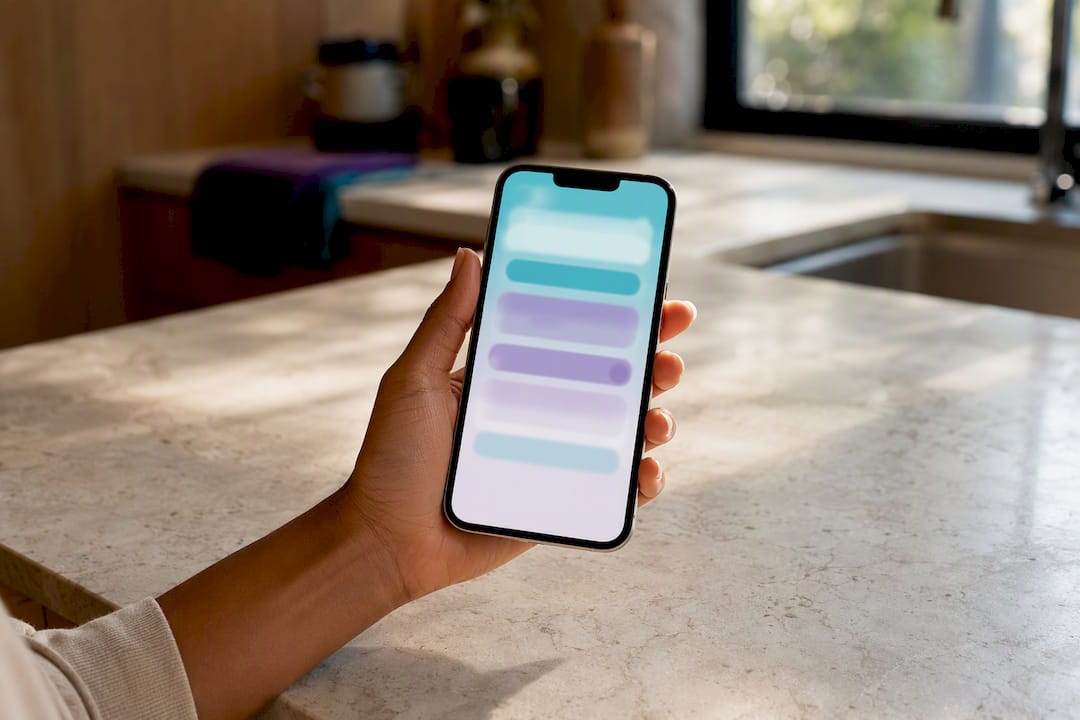
Pro Tip: Keep a small notebook or note on your phone tracking which pad brand, detergent, or wipe you used each cycle. If a rash shows up, you’ll have a real trail to follow instead of guessing after the fact.
How to Prevent Pad Rash from Coming Back
Prevention comes down to habits as much as product choice. Even a hypoallergenic pad can cause irritation if it sits against wet skin for too long, so change your pad regularly throughout the day, and skip overnight wear when a shorter option works. Thinner pads may sometimes help by encouraging more frequent changes. Our guide on using a menstrual pad correctly walks through timing and technique in more detail.
When shopping, favor pads that are:
- Unscented and dye-free
- Made with a breathable or cotton-feel topsheet
- Free of added deodorizing agents
If irritation keeps returning no matter what pad you try, it’s worth testing alternatives one at a time: tampons, a menstrual cup, period underwear, or cloth pads. Our guide to first period product options breaks down how each works. Before committing to a new product across a full cycle, a short patch test on a small area of skin can flag a reaction before it spreads.
Helping Teens Navigate Pad Rash with Confidence
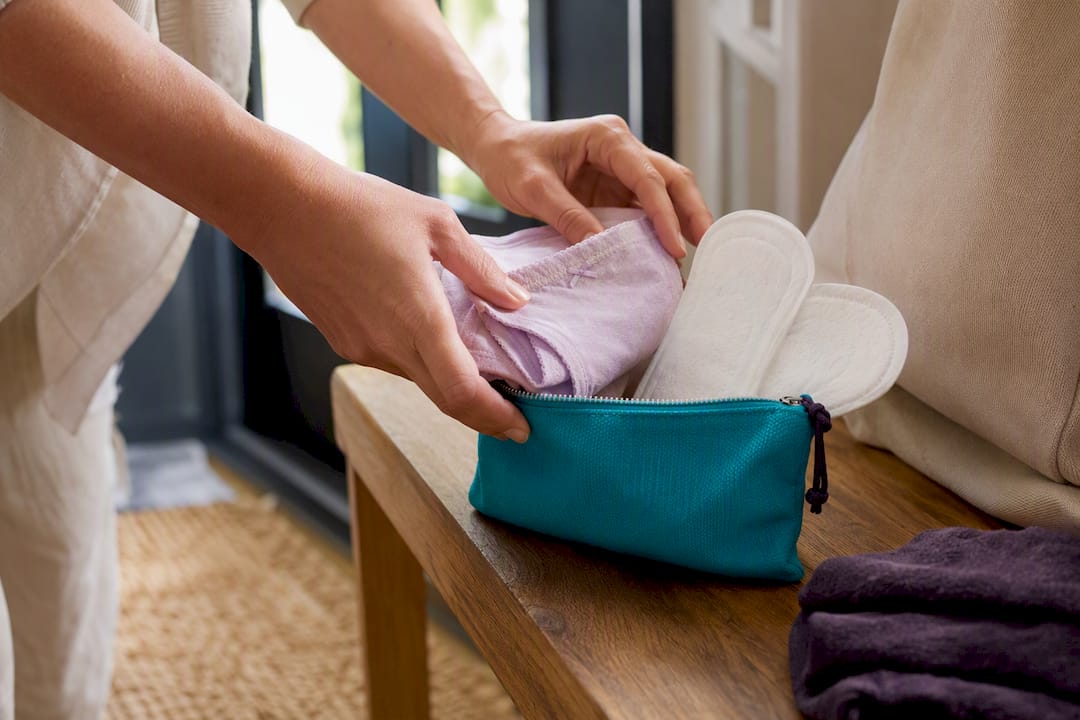
Parents can do a lot of the heavy lifting here just by modeling calm, simple habits early. Talk through changing pads regularly, packing loose cotton underwear, and always keeping spare unscented pads on hand for school or sports. Our hygiene basics guide for parents and period bag checklist both make this easier to put into practice.
If your daughter’s rash doesn’t improve within a few days, or she mentions pain, fever, or unusual discharge, that’s your cue to call her pediatrician. Comfort tools are meant to support her confidence and preparedness, not to treat a medical condition. Know the difference, and she will too.
Why Practical, Honest Guidance Matters Here
Pad rash is common, treatable, and rarely a sign that something is deeply wrong, but it can feel scary the first time it happens, especially for a girl going through this for the first time. That’s why we build our content around evidence, not guesswork, pulling from clinical sources rather than internet rumors. Themonthliesbox exists to make these moments feel manageable instead of alarming, one honest, age-appropriate explanation at a time.
— The
A Little Extra Comfort Goes a Long Way
Skin irritation has a way of making girls feel self-conscious right when they need to feel steady. Such boxes pair educational materials and affirmation cards with spare period supplies and calming comfort items, so a rough day doesn’t have to derail her confidence.

To be clear, nothing in the box replaces medical care. If a rash isn’t improving, a clinician is still the right call. But for the everyday bumps of learning to manage a period, having the right supplies and the right words on hand makes a real difference. If you want something similar for a teen who’s past the “first period” stage and just needs a self-care reset, the LavenHaven Care Package covers that ground too. Take a look at the Amethyst Box and see which pieces would help the girl in your life feel prepared instead of caught off guard.
This article is general information, not a substitute for advice from a qualified doctor. Consult a qualified healthcare professional about your own circumstances before acting on anything here.
Sources
- Vulvar dermatitis — Cleveland Clinic
- Allergic contact dermatitis to (meth)acrylates — PMC (case report)
- Potential allergens in feminine hygiene products — 2025 analytic study
0 comments