

Menarche, the medical term for a girl’s first period, is defined as the first menstrual bleeding and typically occurs between ages 10 and 15. The signs first period approaching include a predictable sequence of physical and emotional changes that unfold over two to three years, giving parents real time to prepare. Knowing what to look for, and when, removes the guesswork and replaces it with confidence. This guide walks you through every major signal, in the order they typically appear, so you and your daughter are ready long before that first period arrives.
1. Signs first period approaching: breast development comes first
Breast development is the earliest and most reliable signal that menarche is two to three years away. This stage, called thelarche, usually begins with small, tender bumps under the nipples known as breast buds. Most girls notice this between ages 8 and 13, though the timing varies. The key takeaway for parents: when breast buds appear, the clock has started.
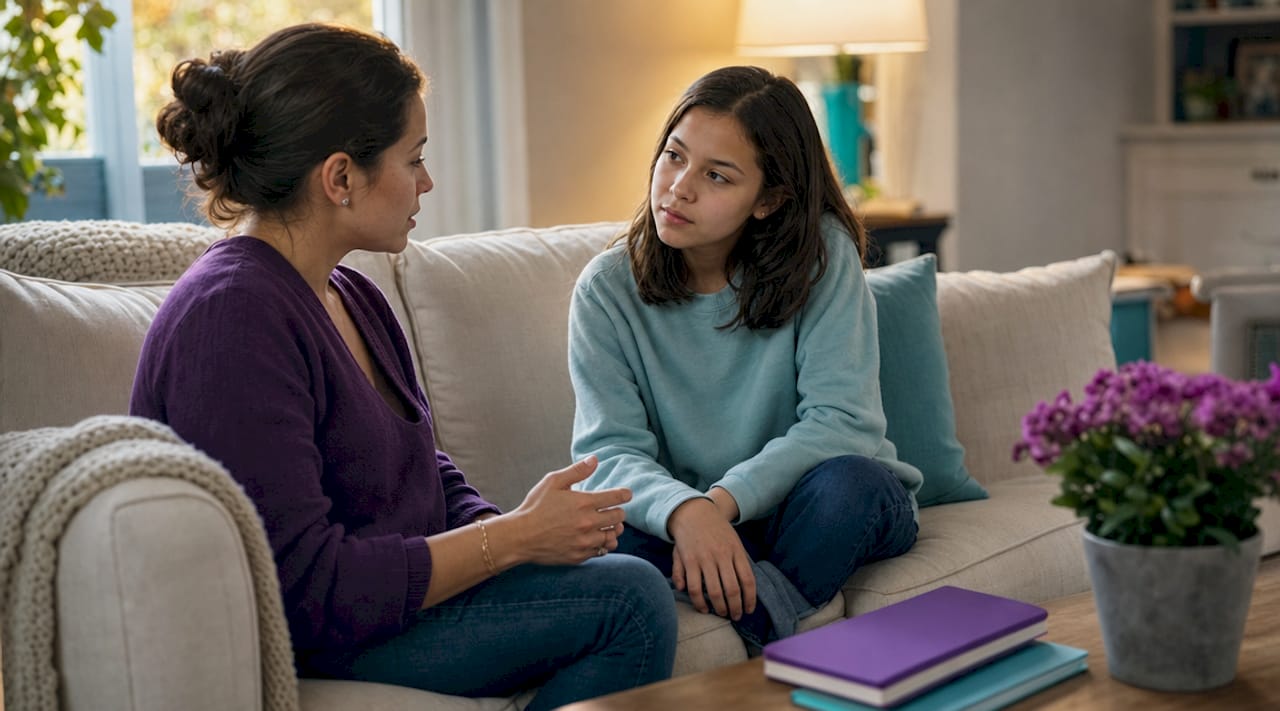
This is also the moment to open the conversation. You do not need to have every answer ready. You just need your daughter to know that what she is experiencing is normal and that you are her safe person to talk to.
2. Pubic and underarm hair growth
Hair growth in the pubic area and underarms typically follows breast development by several months. Pubic and underarm hair growth and increased sweating develop roughly one to two years before the first period. Along with new hair, many girls notice stronger body odor and increased sweating. This is a direct result of rising androgen hormones, not a hygiene problem.
This is a practical moment to introduce deodorant and talk about body care without shame. Framing it as “your body is getting ready for something big” keeps the tone positive and forward-looking.
3. A noticeable growth spurt
A rapid increase in height is one of the most visible signs of puberty progression. A growth spurt typically occurs about one year before menarche, meaning it sits closer to the first period than breast development does. Girls can grow two to three inches in a single year during this phase. If your daughter has recently outgrown her shoes and pants in the same season, pay attention.
After the growth spurt, height gain slows significantly. Many girls reach close to their adult height within one to two years of their first period. This physical milestone is a strong indicator that menarche is getting near.
4. Vaginal discharge appears
Clear or milky vaginal discharge is one of the most specific and time-sensitive signs on this list. Vaginal discharge often begins six to twelve months before the first period, driven by rising estrogen levels. It is typically odorless or mildly scented, white or clear, and appears on underwear. This is the body’s way of preparing and cleaning the vaginal canal.
Many girls find this alarming if they have not been told to expect it. Letting your daughter know in advance that discharge is a normal and healthy sign, not a problem, makes a significant difference in how she experiences it. The combination of discharge and breast development gives parents the clearest window for preparation.
Pro Tip: When discharge appears, start keeping a small pouch with a pantyliner and a spare pair of underwear in your daughter’s school bag. This one practical step builds confidence and removes the fear of being caught off guard.
5. Emotional signs of menstruation and mood changes
Hormone fluctuations do not just affect the body. They affect the mind too. Mood changes like irritability and tearfulness often precede the first period, driven by estrogen and progesterone shifts that the brain is still learning to regulate. These emotional signs of menstruation can appear days or even weeks before bleeding starts.
Common emotional and behavioral changes to watch for include:
- Increased irritability or frustration over small things
- Tearfulness without a clear cause
- Heightened sensitivity to criticism or social situations
- Fatigue and difficulty falling asleep or staying asleep
- Withdrawal from activities she normally enjoys
Emotional symptoms vary widely among individuals. The most useful thing parents can do is watch for changes from their daughter’s baseline behavior, not compare her to a fixed checklist. One girl may become tearful; another may become quieter or more easily overwhelmed.
Pro Tip: When your daughter seems irritable or upset without an obvious reason, try saying: “I wonder if your hormones are doing something today. That’s totally normal and it won’t last.” This hormone-driven framing reduces stigma and opens the door to honest conversation.
For deeper guidance on supporting your daughter through these emotional shifts, the Themonthliesbox guide on emotional responses to first period is a practical starting point.
6. Cramps before first period
Many girls experience cramps before their first period actually arrives, sometimes days before any bleeding is visible. Mild to moderate cramps result from uterine contractions and can last two to three days. The sensation is often described as a dull ache or pressure in the lower abdomen, sometimes radiating to the lower back or thighs.
Here is what is considered normal versus what warrants a call to the doctor:
Normal symptoms:
- Mild to moderate cramping that responds to a heating pad or ibuprofen
- Bloating or a feeling of fullness in the lower abdomen
- Mild headaches or lower back ache
- Breast tenderness
Symptoms that need medical evaluation:
- Heavy periods lasting more than 7 days or severe pain that disrupts daily activities
- Pain so intense it prevents school attendance or normal movement
- Bleeding that soaks through a pad every hour for several hours
Pro Tip: A simple heating pad and age-appropriate ibuprofen (following dosage instructions) handle most first period cramps well. Having these ready at home before the first period arrives means your daughter never has to suffer while you scramble for supplies.
7. What to expect with first period timing and cycle irregularity
The first period timeline is rarely a neat, predictable schedule. Early menstrual cycles are irregular, with 21 to 45 days between periods and unpredictable bleeding patterns in the first one to two years. This is completely normal and does not indicate a problem. The body is still calibrating its hormonal rhythm.
Here is a quick reference for what the first year or two typically looks like:
| Feature | Typical range |
|---|---|
| Cycle length | 21 to 45 days |
| Bleeding duration | 2 to 7 days |
| Flow amount | Light to moderate |
| Color | Bright red, dark red, or brown |
| Regularity | Irregular for first 1 to 2 years |
Tracking cycles from the very first period helps enormously. Apps like Clue or a simple paper calendar give your daughter a sense of ownership over her body and help you both spot patterns over time. Cycle tracking helps understand variability rather than causing alarm over perceived abnormalities. The goal is not to predict the next period perfectly. The goal is to reduce anxiety by showing that variation is the norm.
If your daughter’s period has not arrived within three years of breast development starting, or if cycles remain extremely irregular beyond two years of menarche, a conversation with a pediatrician is worth having. For a detailed look at what to expect on first period day, Themonthliesbox has a calm, clear guide written specifically for parents and daughters.
Key takeaways
Puberty unfolds in a predictable sequence, and recognizing that sequence gives parents a two to three year window to prepare, communicate, and support their daughters with confidence.
| Point | Details |
|---|---|
| Breast development starts the clock | Thelarche signals menarche is roughly 2 to 3 years away, giving parents early preparation time. |
| Discharge is the closest warning sign | Clear or milky vaginal discharge typically appears 6 to 12 months before the first period. |
| Emotional changes are hormone-driven | Mood swings and irritability are temporary hormonal effects, not behavior problems. |
| Cramps before bleeding are normal | Mild uterine cramping in the days before the first period is expected and manageable at home. |
| Early cycles are irregular by design | Cycles ranging from 21 to 45 days in the first two years are normal and not a cause for concern. |
What I’ve learned about watching for these signs
Here is something most articles skip: the signs do not arrive all at once, and they do not arrive on a schedule you can plan around. What I have found, both personally and through the community we have built at Themonthliesbox, is that parents who feel most prepared are the ones who learned to read the sequence, not just the individual signs.
Breast development alone does not mean the period is imminent. But breast development followed by a growth spurt, then discharge? That is a clear signal to get practical. Stock the bathroom. Have the conversation. Put a small kit in her school bag.
The other thing I want to say directly: do not wait for your daughter to bring it up. Most girls will not. Not because they are not thinking about it, but because they are not sure how you will react. When you bring it up first, calmly and without drama, you become the safe person she will come to when it actually happens. That matters more than any product or checklist.
Uncertainty is part of this process, and that is okay. You do not need to have every answer. You just need to show up, stay curious, and let her know that her body is doing exactly what it is supposed to do.
— Themonthliesbox
Get your daughter ready before the first period arrives
When the signs are there, the best thing you can do is act before the moment arrives, not after.

The Amethyst Box from Themonthliesbox is built specifically for this moment. It includes practical period supplies, affirmations, and educational materials designed to make your daughter feel supported and confident, not scared. For families who want a fuller self-care experience, the Monthlies Deluxe Box adds a 40oz tumbler and expanded self-care items. Both boxes are thoughtfully curated so your daughter knows she is ready, and so do you.
FAQ
How early do signs of the first period appear?
The earliest signs, specifically breast development, can appear two to three years before menarche. Vaginal discharge typically begins six to twelve months before the first period, making it the most time-sensitive signal to watch for.
What are the most common first period symptoms right before bleeding starts?
Cramps before first period, bloating, breast tenderness, and mood changes are the most common symptoms in the days immediately before bleeding begins. These are driven by uterine contractions and hormone shifts.
Is it normal for early periods to be irregular?
Yes. Early menstrual cycles commonly range from 21 to 45 days and may be unpredictable for the first one to two years. This irregularity is a normal part of the body establishing its hormonal rhythm.
When should a parent be concerned about period symptoms?
Seek medical advice if periods last more than seven days, if pain is severe enough to disrupt daily activities like school attendance, or if bleeding is extremely heavy. Moderate discomfort is normal; functional impairment is not.
How can I help my daughter prepare emotionally for her first period?
Start conversations early, frame mood changes as hormone-driven and temporary, and make sure she has practical supplies ready before the first period arrives. The Themonthliesbox guide on talking to your daughter covers this in detail.
0 comments