

Yes: for most people, exercising during your period is safe, and it can actually ease cramps, mood swings, and fatigue rather than make them worse. The NIH review and Womenshealth guidance both back this up, though your personal experience matters more than any blanket rule. Track your symptoms, watch for warning signs like missed periods, and adjust intensity instead of pushing through pain or skipping activity altogether.
TL;DR:
- Performing light and moderate exercises like walking, swimming, and restorative yoga can help manage period symptoms without compromising safety.
- Using a period log to track symptoms and performance helps identify personal patterns and adjust training intensity accordingly.
- Athletes should avoid high-stress efforts in heat or strength training during heavy bleeding or when feeling faint, and seek medical attention for severe symptoms.
- Period products like tampons, cups, and underwear are reliable for sports, but users should test new products during low-stakes training before competitions.
- Missed periods combined with heavy bleeding or repeated fainting may indicate underlying health issues like RED-S, requiring prompt medical evaluation.
Table of Contents
- Best Exercises and Ways to Scale Intensity on Period Days
- What to Avoid and Red Flags During Training or Competition
- How Your Cycle Really Affects Performance
- Practical Tips for Training and Competing on Your Period
- Choosing Period Products That Actually Hold Up During Sport
- When Missed Periods or Symptoms Signal a Bigger Problem
- Why Periods Deserve a Seat at the Table, Not a Side Conversation
- The Amethyst Box: Practical Support for Young Athletes
- Sources
Best Exercises and Ways to Scale Intensity on Period Days
You don’t need a special “period workout.” You need permission to adjust the one you already have. Walking, light cardio, swimming, and restorative yoga are consistently well tolerated, even on heavier flow days, and Flo’s guidance on exercising during your period points to gentle strength work and mobility drills as good middle-ground options when you’re not feeling your best but still want to move.
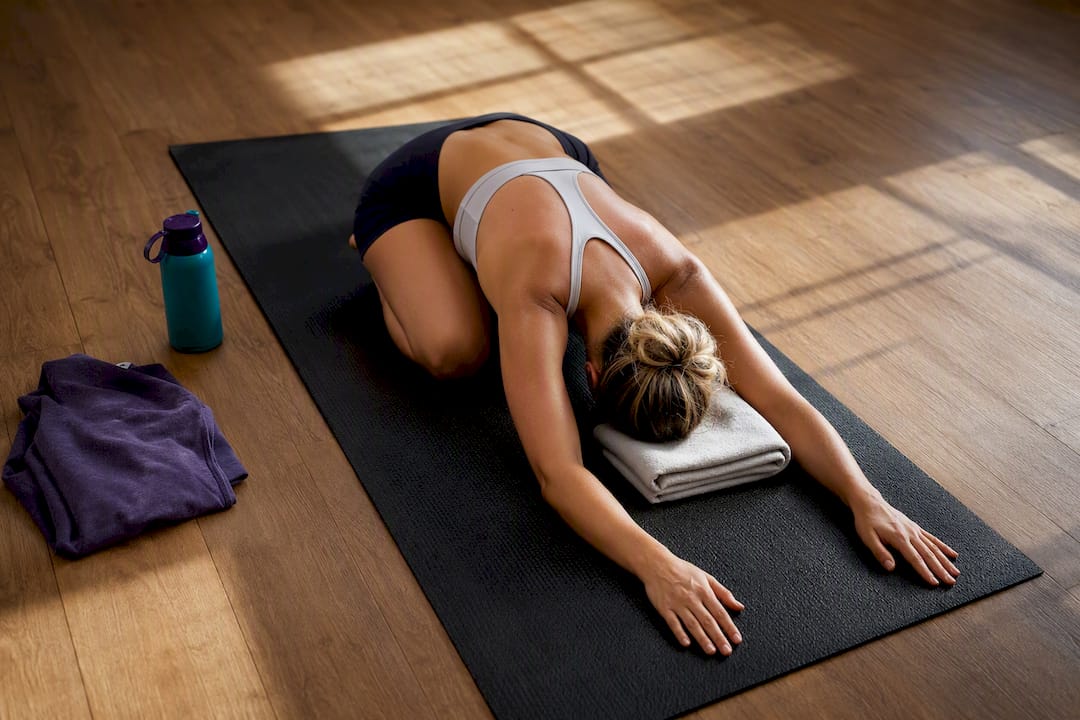
Strength training doesn’t have to stop; incorporating creatine for women can support strength and recovery during your cycle. It often just needs a lighter touch. Dropping a set, trimming your working weight by 10 to 20 percent, or swapping a max-effort day for a technique-focused session keeps you consistent without forcing a bad workout.
Timing helps too. Morning sessions sometimes feel easier before cramps build through the day, and splitting one long practice into two shorter blocks can reduce the physical toll of a heavy training day.
- Walking or easy cycling for 20 to 40 minutes
- Swimming (with a tampon, cup, or period underwear as your comfort dictates)
- Restorative or flow yoga focused on hip openers
- Mobility and foam rolling on the toughest symptom days
- Lighter-load strength circuits instead of heavy singles
Pro Tip: If you track recovery metrics like HRV or a subjective readiness score, use a low reading on day one or two of your period as a cue to scale back, not skip entirely.
What to Avoid and Red Flags During Training or Competition
Some situations call for real caution, not just discomfort tolerance. Long endurance efforts in heat stress your body twice over when you’re also managing blood loss and fluid shifts. Attempting a new personal best while nauseated or lightheaded from cramps isn’t grit. It’s a setup for a bad rep or a bad fall. High-contact drills deserve a second look too if your joints feel unstable, since some athletes report more give in ligaments during certain cycle phases.
Certain symptoms mean stop and check in with a doctor, not “push through it”:
- Fainting, dizziness, or seeing spots during activity
- Bleeding that’s far heavier than your normal pattern or soaks through protection in under an hour
- A missed period, especially paired with high training volume
- Fatigue that doesn’t improve with sleep and feels tied to how little you’re eating
If you’re a coach or teammate, the simplest support is a direct question asked privately: “Do you need to modify today, or are you good to go?” That single sentence does more than any policy.
How Your Cycle Really Affects Performance
The evidence here is genuinely mixed, and that’s worth saying plainly instead of pretending there’s a clean rule. During your period, lower estrogen and progesterone can mean easier recovery and better carbohydrate access for some athletes, which is part of why many people don’t actually perform worse on day one or two despite feeling rough.
The luteal phase, in the days before your period starts, is where things get more interesting. Some research links this phase to changes in tendon and joint stiffness, and a handful of studies report higher injury rates during it. But a 2024 study covered by the BBC tested 241 women and found faster reaction times and better anticipation on ball-moving tasks specifically during menstruation, not worse ones. That single finding matters because it breaks the assumption that period days are automatically your weakest ones.
The NIH review puts a number on the subjective side: up to 50% of athletes report that menstrual symptoms reduce their ability to train, even when objective performance markers don’t move much at all. That gap between how you feel and how you actually perform is the whole reason blanket cycle rules fail. Your best data source is your own log, not a general chart.
Practical Tips for Training and Competing on Your Period
A period training log is the single most useful tool here. Note your symptoms on a 1 to 10 scale, your workout type and intensity, sleep, and how you fueled that day. Patterns show up fast, often within two or three cycles, and you’ll start to see exactly which sessions consistently feel harder in which phase. Period tracking methods give you a few templates if you want a structured starting point.
Nutrition matters more during your period than most athletes realize. Iron-rich foods help offset what you lose through bleeding, and cutting calories during your period to “feel lighter” is one of the fastest routes to the fatigue and performance dips people wrongly blame on hormones alone. Staying hydrated also takes the edge off bloating.
For pain, timing matters. Taking an OTC anti-inflammatory at the first sign of cramps, rather than waiting until pain peaks, tends to work better. Heat and light movement help too, and understanding why cramps happen in the first place makes it easier to know when a pain pattern is normal versus worth a doctor’s input.
- Log symptoms and intensity after every session, not just on hard days
- Pack a spare kit for competition: backup product, pain relief, a heat patch
- Choose dark or performance-fabric bottoms if leak anxiety affects your focus
- Tell your coach what you need in one sentence, not a long explanation
Pro Tip: Never test a brand-new product, like a cup or tampon size, on a competition day. Trial it during a low-stakes training week first.
Choosing Period Products That Actually Hold Up During Sport
Tampons and menstrual cups work well for most sports, including swimming and contact activities, once you’re confident inserting and timing changes. Period underwear suits lower-flow days or shorter sessions where changing mid-practice isn’t practical. Pads tend to shift during running or gymnastics and are the least reliable option for high-movement sports.
For long trainings, overnight travel, or tournament days, combining products (a cup plus period underwear as backup, for instance) reduces leak anxiety more than relying on one product alone. Change whatever you’re using as soon as it’s soaked, not just on a fixed schedule, and rinse or shower promptly after sweating heavily to cut down on chafing and skin irritation in sensitive areas.
- Tampons or cups for swimming and contact sports
- Period underwear for lighter flow or shorter sessions
- A spare kit with backup product for competition days
- Prompt post-session hygiene to prevent chafing
When Missed Periods or Symptoms Signal a Bigger Problem
A missed period in an athlete isn’t just an inconvenience. It’s often the first visible sign of RED-S, or relative energy deficiency in sport, a condition where your body isn’t getting enough fuel to support both training and basic hormonal function. Left unaddressed, RED-S carries real risks to bone density and long-term reproductive health, which is exactly why it deserves fast attention rather than a wait-and-see approach.
See a clinician if you notice any of these:
- A missed period for three months or more, especially with heavy training
- Bleeding heavy enough to soak through protection within an hour
- Repeated fainting or dizziness during or after activity
- Injuries that keep happening without an obvious cause
Start with your primary care provider or a sports medicine specialist. Many athletes also benefit from a referral to a gynecologist and a sports nutritionist working together, since RED-S usually needs support from more than one angle at once.
Why Periods Deserve a Seat at the Table, Not a Side Conversation
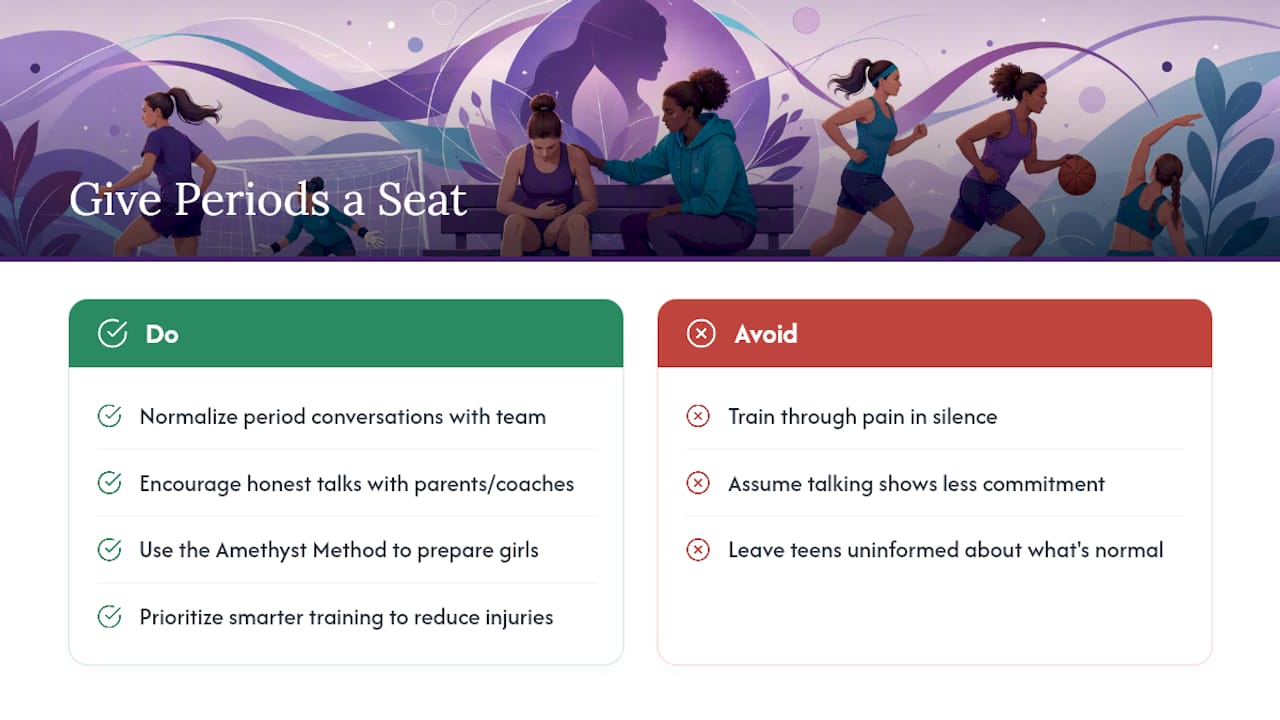
Too many athletes still train through pain in silence because they think talking about their period makes them look less committed. It’s the opposite. Teams that normalize this conversation, an approach sports physiologists at the English Institute of Sport actively encourage, end up with athletes who train smarter and get injured less.
For teens just starting this journey, the discomfort is often less about cramps and more about not knowing what’s normal. That’s where preparation and honest conversation with a parent or coach change everything. The Amethyst Method exists for exactly this moment, helping girls feel informed and ready before their first period ever shows up on the field.
— The
The Amethyst Box: Practical Support for Young Athletes
Confidence on the field starts with feeling prepared off it. The Amethyst Box is built for exactly the moment covered in this guide: a girl who’s active, maybe nervous about her first period showing up during practice or a meet, and needs more than just supplies. It pairs practical period products sized for tweens with affirmation cards and educational materials that explain what’s actually happening in her body, so the conversation with a parent or coach feels natural instead of awkward.
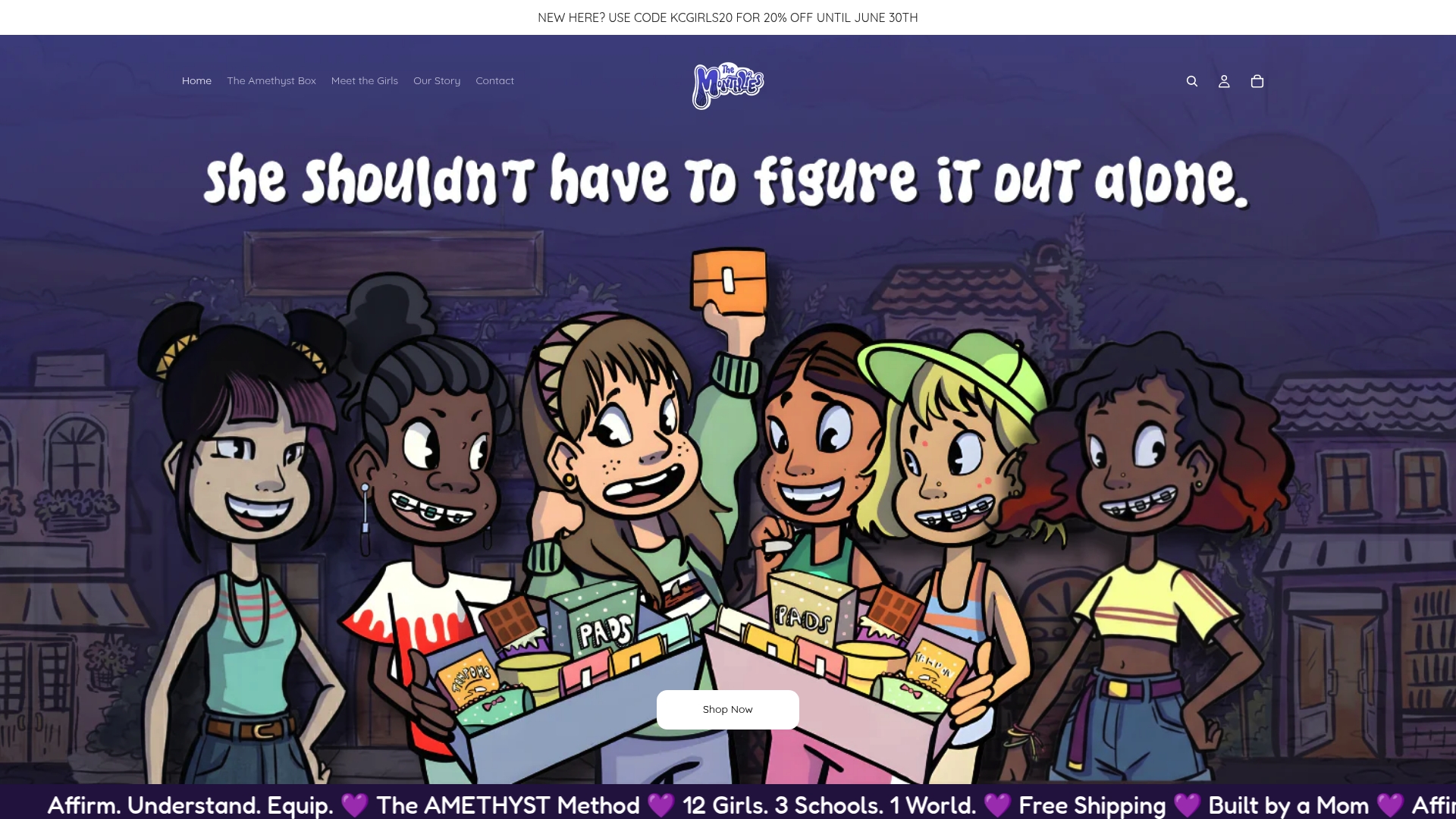
This isn’t a replacement for a training plan or a doctor’s advice. It’s the groundwork that makes those conversations easier. A young athlete who already understands her cycle, has a spare kit ready, and knows the signs worth mentioning to a coach walks onto the field with one less thing to worry about. If your daughter is approaching this stage, or already there and figuring it out on the fly, explore the Amethyst Box and get her equipped before her next practice.
This article is general information, not a substitute for advice from a qualified doctor. Consult a qualified healthcare professional about your own circumstances before acting on anything here.
Sources
- Sports and the menstrual cycle - PMC - NIH
- Womenshealth
- Women better at sport during period, study suggests - BBC
0 comments