

Self-care during periods is defined as the intentional practice of supporting your body’s physical and emotional needs throughout menstruation to reduce discomfort and protect overall well-being. The role of self care during periods goes far beyond bubble baths and chocolate. It includes targeted nutrition, movement, rest, and self-compassion practices that work with your body’s hormonal biology. Research confirms that self-compassion reduces PMS severity significantly, and cycle-aware habits help millions of people manage symptoms more effectively. This guide gives you the evidence and the practical tools to feel genuinely supported every day of your cycle.
What is the role of self care during periods?
Menstrual self-care is not a luxury. It is a direct response to real physiological changes your body goes through every month. During menstruation, estrogen and progesterone drop sharply, triggering cramps, fatigue, bloating, and mood shifts. These are biological events, not personal weaknesses. Wellness experts consistently frame self-care as a necessity, not a reward you earn after being productive enough.
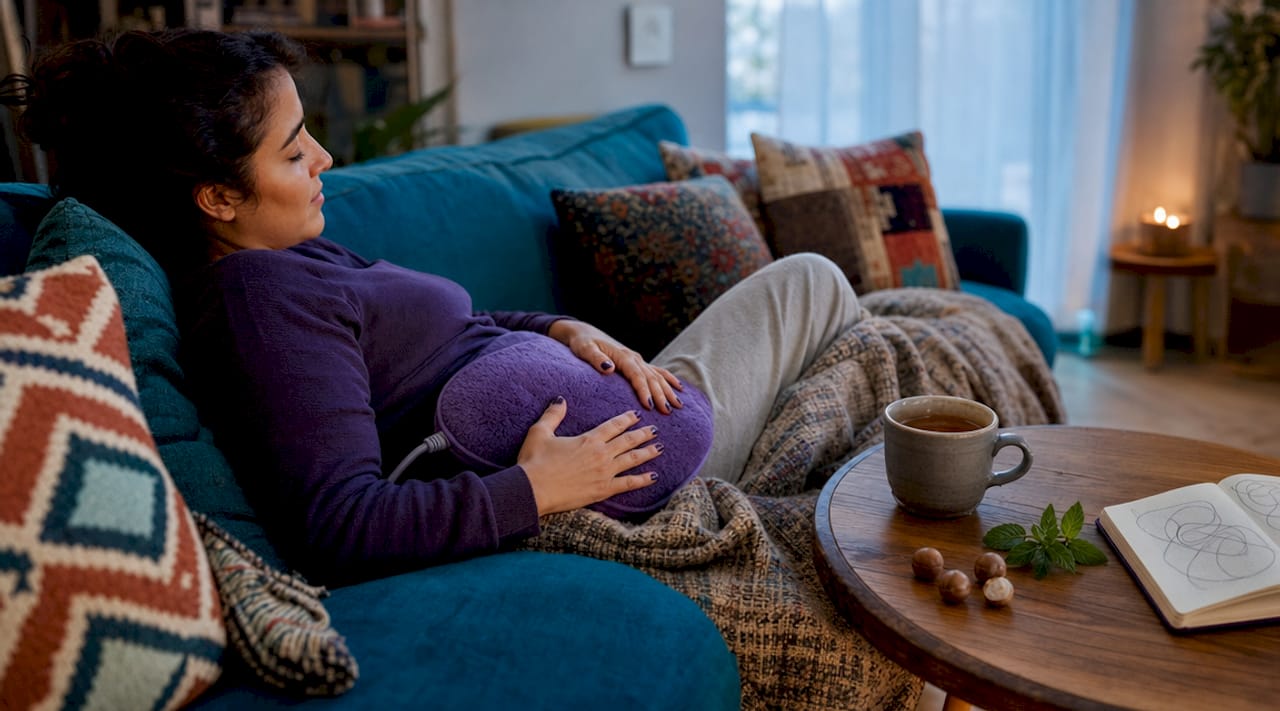
The importance of self-care during menstruation shows up in three clear areas: physical comfort, emotional stability, and long-term hormonal health. Addressing cramps with heat therapy, supporting your mood with self-compassion practices, and fueling your body with the right nutrients all reduce the intensity of symptoms. When you treat your body as something worth caring for, you are not being soft. You are being smart.
A personalized self-care routine also teaches you to read your body’s signals over time. That awareness becomes one of your most useful health tools, especially as you move through different life stages.
What are the specific self-care needs during each menstrual cycle phase?
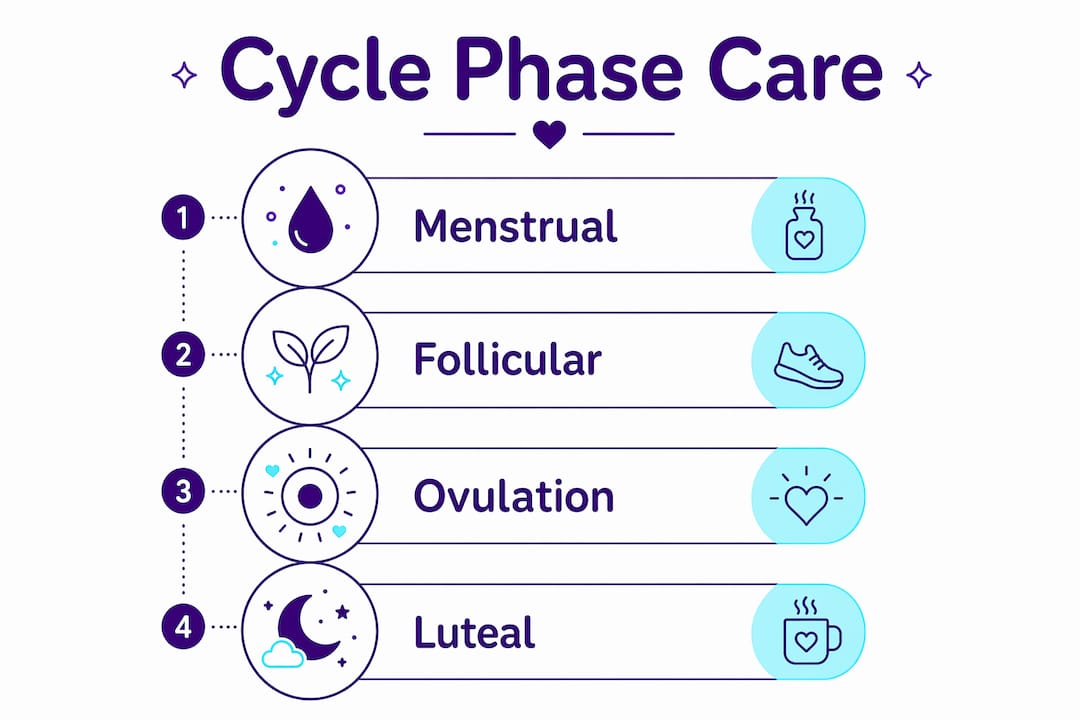
About 50 million people globally practice cycle syncing, which means aligning diet, exercise, and daily habits with the four phases of the menstrual cycle. This approach reduces symptom severity because it works with your hormones rather than ignoring them. Here is what each phase calls for:
Menstrual phase (days 1 to 5)
- Prioritize iron and magnesium-rich foods like spinach, lentils, dark chocolate, and bananas to replenish what blood loss depletes
- Choose gentle movement: walking, restorative yoga, or light stretching
- Rest without guilt. Fatigue during this phase is biological, tied to hormone drops and blood loss, not laziness
- Warm compresses and early bedtimes are productive choices, not setbacks
Follicular phase (days 6 to 13)
- Energy rises as estrogen climbs. Use this window for slightly more demanding workouts and creative projects
- Fresh, energizing foods like leafy greens, eggs, and whole grains support rising energy
- This is a good time to schedule tasks that need focus and output
Ovulatory phase (days 14 to 16)
- Peak estrogen supports high-intensity workouts, social engagement, and ambitious goals
- Your communication and confidence tend to be at their highest. Use that
- Hydration matters more here as physical output increases
Luteal phase (days 17 to 28)
- Progesterone rises and then falls, which triggers PMS symptoms for many people
- Complex carbohydrates like oats, sweet potatoes, and brown rice stabilize blood sugar and reduce mood swings
- Reduce caffeine, which amplifies anxiety and disrupts sleep during this phase
- Stress management practices like journaling, breathwork, or gentle walks become especially useful
| Phase | Key focus | Nutrition tip |
|---|---|---|
| Menstrual | Rest and replenish | Spinach, lentils, dark chocolate |
| Follicular | Build energy gradually | Eggs, leafy greens, whole grains |
| Ovulatory | Peak performance | Hydration, lean protein |
| Luteal | Manage PMS symptoms | Oats, sweet potatoes, reduced caffeine |
Pro Tip: Rigid routines risk hormonal disruption. Adapting your workout intensity and food choices to your cycle phase protects your energy and supports long-term hormonal balance far better than a fixed daily program.
How does self-compassion influence menstrual symptom severity?
Self-compassion is the practice of treating yourself with the same kindness you would offer a close friend when you are struggling. In the context of menstruation, it has three components: mindfulness of your discomfort without dramatizing it, recognizing that suffering during your period is a shared human experience, and speaking to yourself with warmth rather than criticism.
Research makes the connection concrete. A published study found a strong negative correlation between self-compassion and PMS symptom severity, with a beta coefficient of negative 0.698. That is a large effect. It means that people who practice self-compassion consistently report significantly less severe premenstrual symptoms than those who do not.
“High levels of self-compassion significantly reduce premenstrual syndrome symptoms.” — Research published in BMC Women’s Health, 2026
This finding matters because it shifts the conversation. Managing period symptoms is not only about what you eat or how you move. It is also about how you talk to yourself when you feel low, tired, or in pain. Self-criticism during PMS amplifies distress. Self-compassion interrupts that cycle.
Practical ways to build self-compassion into your menstrual self-care routine include:
- Journaling about your feelings without judgment, especially during the luteal phase
- Using affirmations that acknowledge difficulty without catastrophizing (“This is hard today, and that is okay”)
- Reducing social comparison during low-energy days
- Giving yourself permission to slow down without labeling it as failure
Pro Tip: When PMS hits and your inner voice turns critical, try naming what you are feeling out loud or in writing. Research on emotional labeling shows that naming an emotion reduces its intensity in the brain. It is a small act with a real effect.
What are effective physical self-care practices to relieve period discomfort?
Physical self-care strategies for period pain work best when they are specific. Generic advice like “rest more” misses the practical details that actually make a difference.
Heat therapy
Warm, damp heat outperforms dry heat for relieving menstrual cramps. A warm compress infused with lavender essential oil penetrates muscle tension more effectively than a dry electric heating pad because moist heat conducts temperature deeper into tissue. Apply it to your lower abdomen for 15 to 20 minutes during peak cramping.
| Method | Effectiveness | Notes |
|---|---|---|
| Warm damp compress with lavender oil | High | Penetrates muscle tension more deeply |
| Dry electric heating pad | Moderate | Convenient but less effective for uterine cramps |
| Warm bath | High | Full-body relaxation, supports sleep |
| Hot water bottle | Moderate to high | Effective with a damp cloth layer added |
Movement
Light to moderate exercise during menstruation eases cramps and improves mood by releasing endorphins. Walking for 20 to 30 minutes, a gentle yoga flow, or basic stretching are the right choices on heavy flow days. High-intensity interval training or heavy lifting can increase inflammation and worsen fatigue during the first two days of your period. Save those workouts for your follicular and ovulatory phases.
Hydration and product choices
Drinking enough water reduces bloating and supports circulation. Aim for at least eight glasses daily, and add electrolytes if you experience heavy flow. Scented feminine hygiene products irritate sensitive tissue and disrupt the vaginal microbiome. Choosing breathable, unscented period supplies like organic cotton pads or menstrual cups reduces irritation and supports comfort throughout your cycle.
Pro Tip: Magnesium supplementation is one of the most evidence-supported tools for reducing menstrual cramps and mood-related PMS symptoms. Talk to a healthcare provider about whether it fits your needs.
How to create a personalized menstrual self-care routine
Building a routine that actually works for you requires tracking first and adjusting second. Here is a practical approach:
- Start tracking your cycle. Use a period tracking app or a simple notebook to log the start and end of your period, your energy levels, mood, sleep quality, and any symptoms. Do this every day, not just during your period.
- Track for at least 3 to 4 months. Consistent monitoring reveals your unique hormonal patterns. You will start to see when your energy predictably dips, when your focus peaks, and which days tend to bring the most discomfort.
- Adjust your workload. Schedule demanding tasks, presentations, or social commitments during your follicular and ovulatory phases. Protect your menstrual and late luteal days for lighter work and recovery.
- Build a comfort toolkit. This does not need to be expensive. A warm compress, a playlist that calms you, a journal, your preferred period products, and a go-to nourishing meal are enough to start.
- Add a mental health practice. Journaling, breathwork, or even five minutes of quiet time without your phone counts. Social support also matters. Talking to someone you trust during hard days reduces the emotional weight of symptoms.
- Revisit and adjust every few months. Your cycle changes with stress, sleep, age, and health. A routine that worked at 15 may need updating at 18 or 25. Severe or worsening symptoms always warrant a conversation with a healthcare provider.
Pro Tip: If you are new to periods and not sure where to start, the first period guide from Themonthliesbox walks you through the basics in a calm, clear way.
Key takeaways
Consistent, cycle-aware self-care is the most effective way to reduce period discomfort, manage PMS symptoms, and protect your emotional well-being throughout the menstrual cycle.
| Point | Details |
|---|---|
| Self-compassion reduces PMS | Research shows a strong negative correlation (β=−0.698) between self-compassion and PMS severity. |
| Phase-specific care works | Aligning nutrition, movement, and rest with each cycle phase reduces symptom intensity. |
| Damp heat beats dry heat | Warm, moist compresses with lavender oil relieve uterine cramps more effectively than dry pads. |
| Tracking enables personalization | Three to four months of cycle tracking reveals your unique patterns for proactive planning. |
| Self-care is foundational | Treating rest and nourishment as necessities, not rewards, transforms how you experience your cycle. |
What I’ve learned about listening to your body during your period
One of the most common things I hear is this: “I just push through it.” And I understand that. Life does not pause for your period. But pushing through without any support is not strength. It is a missed opportunity to feel genuinely better.
The research on self-compassion surprised me when I first read it. A beta of negative 0.698 is not a small effect. It means the way you talk to yourself during your period has a measurable impact on how bad your symptoms feel. That is not soft science. That is a real finding with real implications for how you spend those days.
What I have also seen is that high productivity expectations during menstruation actively worsen symptoms. Trying to perform at your peak on day two of your period is working against your biology. It is not a discipline issue. It is a timing issue. Shifting your hardest tasks to your follicular phase is not giving up. It is working smarter.
The goal is not a perfect routine. It is a responsive one. Some months will be harder than others. Your body will change. What matters is that you keep showing up for yourself with curiosity and kindness, not criticism.
— The
Self-care support designed for your cycle
Knowing what to do is one thing. Having the right tools makes it real.
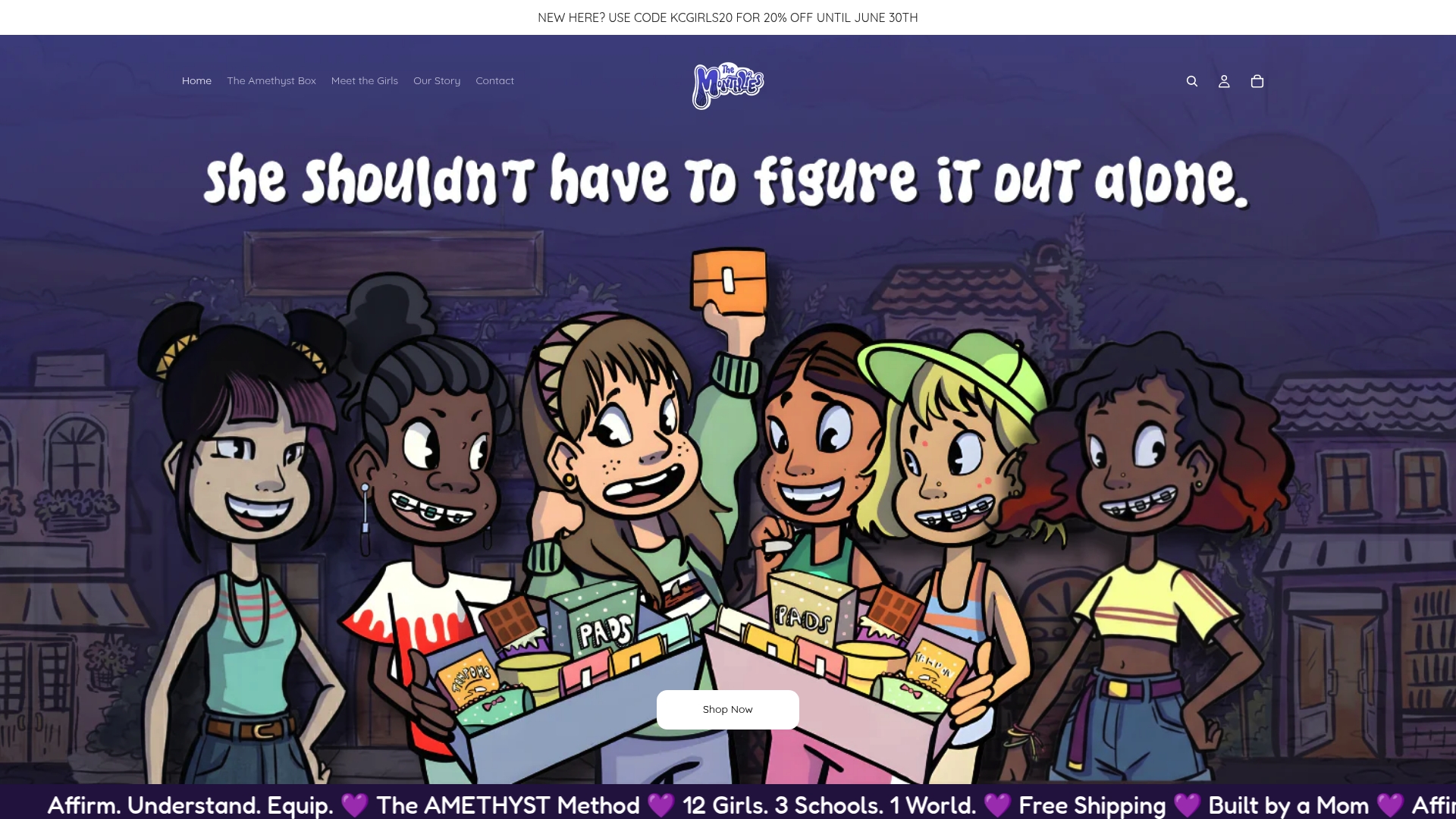
Themonthliesbox was built for exactly this. The Amethyst Box brings together practical period supplies, affirmations, and educational materials designed to make menstruation feel supported rather than stressful. For those just starting out, the LavenHaven Care Package is a self-care starter kit with everything you need to build your comfort toolkit from day one. Both are thoughtfully curated around the Amethyst Method: affirm, understand, and equip. Because you deserve more than just products. You deserve to feel prepared and confident every cycle.
FAQ
What is self-care during periods?
Self-care during periods is the practice of intentionally supporting your physical and emotional needs throughout menstruation. It includes nutrition, movement, rest, heat therapy, and self-compassion practices that reduce discomfort and protect well-being.
How does self-compassion help with PMS?
Research shows a strong negative correlation (β=−0.698) between self-compassion and PMS symptom severity. People who practice self-compassion consistently report less intense premenstrual symptoms than those who do not.
What foods help during your period?
Iron and magnesium-rich foods like spinach, lentils, dark chocolate, and bananas are especially helpful during days 1 to 5. During the luteal phase, complex carbohydrates like oats and sweet potatoes help stabilize mood and blood sugar.
Is exercise safe during your period?
Yes. Light to moderate exercise like walking, yoga, and stretching eases cramps and improves mood during menstruation. High-intensity workouts are better saved for the follicular and ovulatory phases when energy is naturally higher.
How long does it take to build a personalized cycle routine?
Tracking your cycle consistently for 3 to 4 months gives you enough data to identify your unique hormonal patterns. From there, you can adjust your workload, nutrition, and activity levels to match each phase.
0 comments