

The right tween skincare routine is three steps, nothing more: a gentle cleanser, a lightweight moisturizer, and mineral SPF 30+ every morning. Skip retinoids, AHAs, BHAs, and strong vitamin C. Those belong on an adult’s shelf, not a ten-year-old’s. If you notice severe acne, scarring, or widespread irritation, call your pediatrician instead of reaching for something stronger.
TL;DR:
- Most tweens only need a gentle cleanser, lightweight moisturizer, and mineral SPF 30+; avoid retinoids, acids, and high-dose vitamin C to prevent irritation.
- Use ceramides, hyaluronic acid, and niacinamide in moisturizers, and mineral filters like zinc oxide or titanium dioxide in sunscreens for safe, effective ingredients.
- Introduce skincare gradually between ages 8 and 12, adding one product at a time and monitoring for irritation or breakouts over a four-week period.
- Manage normal hormonal oiliness with low-concentration cleansers and spot treatments, consulting a doctor for severe or persistent acne.
- Pair skincare routines with confidence-building activities or puberty-prep kits to promote healthy habits and self-trust during puberty.
Table of Contents
- What Does a Daily Tween Skincare Routine Actually Look Like?
- Which Ingredients Belong in a Tween Skincare Routine, and Which Don’t?
- How Should the Routine Change Between Ages 8 and 12?
- Managing Oily Skin and Breakouts: What Helps and When to Call a Doctor
- How Do You Turn This Into a Habit That Actually Sticks?
- Skincare Is One Piece of Growing Up With Confidence
- The Monthlies Box: A Companion for the Bigger Puberty Conversation
- Where to Learn More
- Sources
- FAQ
What Does a Daily Tween Skincare Routine Actually Look Like?
Mornings and evenings don’t need to be complicated, and honestly, they shouldn’t be. Pediatric dermatology guidance points to the same minimalist formula again and again: cleanse, moisturize, protect. That’s it. That’s the whole routine.
In the morning:
- Splash the face with lukewarm water or use a gentle, fragrance-free cleanser, especially if your tween’s skin runs oily overnight.
- Apply a lightweight, non-comedogenic moisturizer if the skin feels dry or tight. Oily skin can often skip this step or use a gel formula instead of a cream.
- Finish with a mineral, broad-spectrum SPF 30+ sunscreen, applied last, as the final layer before leaving the house. A nickel-sized amount covers the face; reapply regularly if your tween is outside for sports or recess.
In the evening:
- Cleanse to remove dirt, sweat, and the day’s sunscreen. This step matters more than most parents realize, since sleeping in sunscreen residue can clog pores overnight.
- Moisturize again if skin is dry, using the same lightweight product from the morning.
- Wipe away any leftover makeup or product residue with a gentle micellar water or a fragrance-free makeup wipe, if your tween wears any cosmetics for school events or photos.
Skin type changes the texture you reach for, not the steps themselves. A tween with oily or acne-prone skin usually does better with a gel cleanser and an oil-free, gel moisturizer. Dry or sensitive skin responds better to cream-based cleansers and richer, ceramide-heavy moisturizers. Neither type needs a toner, an essence, or a ten-step regimen borrowed from a beauty influencer’s shelf. Board-certified dermatologists frame the goal as hygiene and habit, not correction, and that framing matters when you’re deciding what to add to the bathroom counter.
Which Ingredients Belong in a Tween Skincare Routine, and Which Don’t?
Reading a label takes ten seconds once you know what you’re scanning for. Look for ceramides, hyaluronic acid, and niacinamide in moisturizers, since these support the skin barrier without irritating it. For sunscreen, zinc oxide or titanium dioxide are the mineral filters dermatologists recommend for younger skin. Anything labeled “fragrance-free” and “non-comedogenic” is a safer bet across the board.
The avoid list is shorter but firmer:
- Retinoids (including prescription-strength versions)
- AHAs and BHAs (glycolic acid, salicylic acid in high concentrations, lactic acid)
- High-dose vitamin C serums marketed for anti-aging
- Alcohol-heavy toners
- Heavily fragranced products, including scented body sprays layered onto the face
The American Academy of Dermatology specifically flags retinoids, AHAs, BHAs, and high-strength vitamin C as unnecessary and potentially irritating for tweens, whose skin is thinner and more reactive than an adult’s. A product that works beautifully on a 35-year-old’s skin can trigger redness, peeling, or breakouts on an 11-year-old.
Youthful skin sensitivity, by the numbers: dermatologists observe that overuse of potent actives, often picked up through social media trends, is a common cause of contact dermatitis and perioral dermatitis in tweens. The irritation shows up around the mouth and chin first, exactly where kids apply the most product.
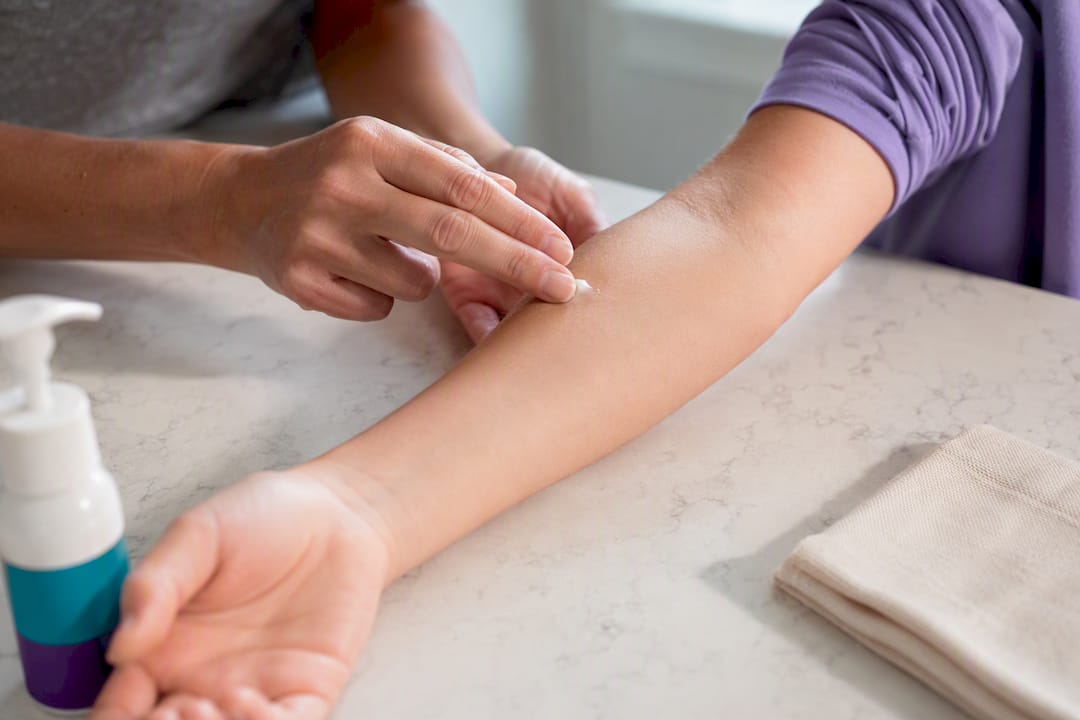
Before any new product touches your tween’s face, patch test it. Dab a small amount on the inner forearm, wait 24 to 48 hours, and check for redness, itching, or bumps. No reaction means it’s probably safe to try on the face, one product at a time.
How Should the Routine Change Between Ages 8 and 12?
Skin doesn’t shift overnight, and neither should the routine. Think of it in two stages.
Ages 8 to 10: Keep it basic. A gentle cleanser, a light moisturizer if needed, and daily sunscreen cover almost everyone in this age range. There’s no reason to introduce acne treatments, exfoliants, or spot correctors yet, even if a friend or sibling is using them.
Ages 10 to 12: Hormonal shifts start showing up here, sometimes as occasional oiliness, sometimes as a pimple or two around the nose or forehead. This is the stage where a single, low-strength OTC option (like a mild salicylic acid cleanser) might get added, but only one at a time.
Introduce anything new slowly:
- Add one product, not three, and give it two to four weeks before judging results.
- Watch for redness, dryness, or new breakouts during that window.
- If irritation shows up, stop the product and go back to the basics until skin settles.
Managing Oily Skin and Breakouts: What Helps and When to Call a Doctor
Oiliness and the occasional breakout are normal parts of the puberty timeline, not a sign that something’s gone wrong. Hormonal changes ramp up oil production in the skin and scalp alike, and the fix is usually patience plus the right first-line products, not a dermatologist visit right out of the gate.
- Start with a low-concentration salicylic acid cleanser, used once daily, to help clear excess oil without over-drying.
- Add a benzoyl peroxide spot treatment for individual pimples, applied directly rather than all over the face.
- Switch to an oil-free, non-comedogenic moisturizer so the skin doesn’t overcompensate for feeling stripped.
- Give it four to six weeks before deciding whether the routine is working. Skin cell turnover takes time, and most improvement shows up gradually, not overnight.
Scalp oiliness during puberty responds well to alternating shampoos: rotate a pyrithione zinc formula with a salicylic acid formula every few washes to prevent buildup and keep oil production in check. Two to three washes a week is typically enough for most tweens; daily washing can sometimes trigger more oil, not less.
Pro Tip: Keep a small note on your phone tracking what product started when. If a new breakout or scalp issue shows up, you’ll know exactly what changed and can pinpoint the cause faster.
Call a pediatrician or dermatologist if acne is worsening despite consistent OTC use, if you notice scarring or deep, painful cysts, if inflammation spreads beyond typical breakout zones, or if a treatment hasn’t shown any improvement after several weeks. Mayo Clinic notes that over-the-counter remedies usually manage typical teen acne well, but persistent or severe cases deserve a clinical evaluation rather than another trip down the skincare aisle.
How Do You Turn This Into a Habit That Actually Sticks?
Keep the whole routine under ten minutes, and pair it with something your tween already does automatically, like brushing their teeth. Habits stack better than habits stand alone.
- Let your tween pick one product themselves, something fun or trendy that’s still on your approved list. You control the core, active ingredients; they get a say in the experience.
- Patch test every new product and introduce them one at a time, never all at once.
- Store products somewhere your tween can actually reach, so the routine doesn’t depend on you handing items over each night.
- Shop for “fragrance-free,” “non-comedogenic,” and “mineral sunscreen” on labels. These three terms filter out most of the products that cause trouble, and you don’t need premium pricing to find them.
Pro Tip: Try placing the skincare products right next to the toothbrush and deodorant. Tweens are more likely to remember a routine that’s physically part of their existing morning lineup than one tucked away in a separate drawer.
Skincare Is One Piece of Growing Up With Confidence
A simple routine teaches something bigger than clear skin: it teaches your tween that taking care of their body is normal, not a beauty project. That mindset carries directly into the bigger puberty conversations ahead, from first-period preparedness to the confidence it takes to handle new changes without embarrassment. Skincare, done gently, is practice for exactly that kind of self-trust.
— The
The Monthlies Box: A Companion for the Bigger Puberty Conversation
A three-step skincare routine handles the skin. It doesn’t handle the questions your tween might not say out loud, the nerves about a first period, or the “am I normal?” moments that show up right alongside the oil and breakouts. That’s where Themonthliesbox picks up the thread. The Amethyst Box is a first-period self-care experience built around affirmations, educational materials, and practical supplies sized for tweens, giving parents a ready-made way to open conversations that skincare alone can’t cover.

Pair a simple skincare habit with a puberty-prep box and you’ve covered both fronts: the daily hygiene routine and the emotional groundwork for what’s coming next. For families who want to start smaller, the LavenHaven self-care starter kit offers a gentler entry point built around confidence and comfort rather than correction. If your tween is asking questions about their changing body, or you’re simply getting ahead of the conversation, consider exploring a puberty-prep box designed to support confidence and comfort.
Where to Learn More
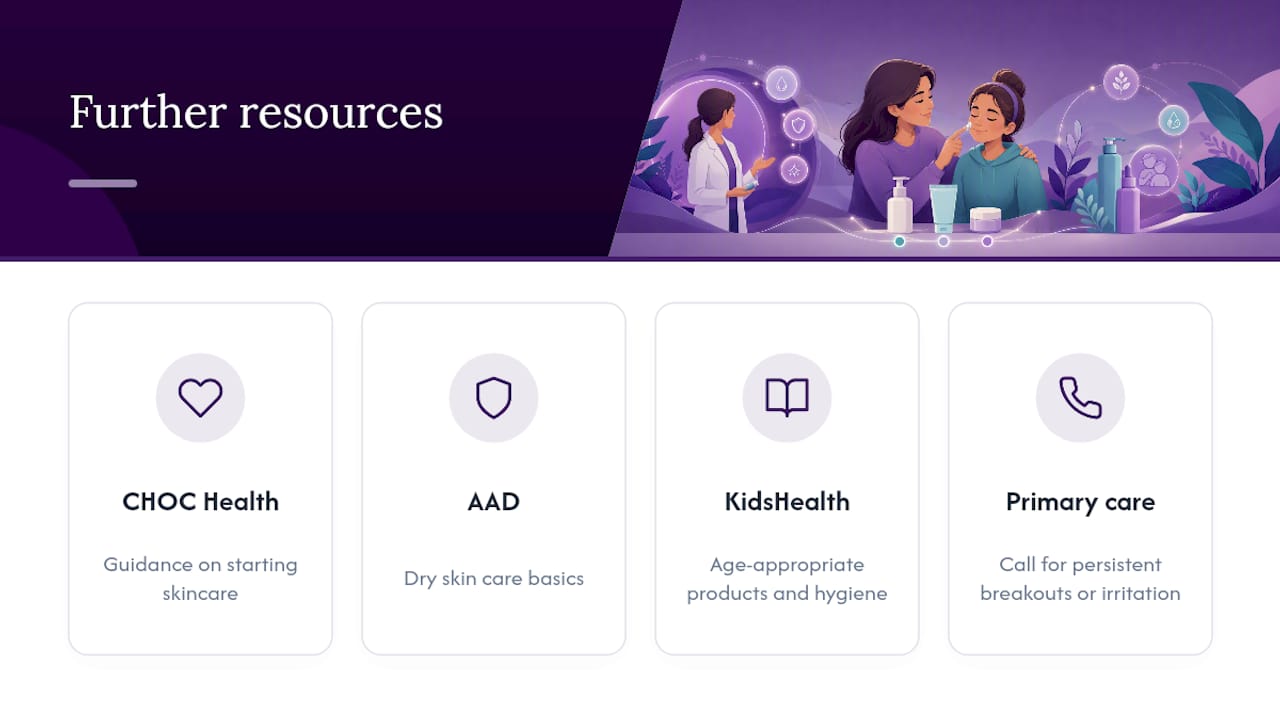
For deeper reading beyond this routine, CHOC Health covers what parents should know about starting skincare early. The American Academy of Dermatology offers additional guidance on dry skin care basics. KidsHealth from Nemours breaks down age-appropriate skincare products in plain language, and KidsHealth’s hygiene basics guide rounds out the broader puberty hygiene picture. If breakouts or irritation persist, your child’s primary care provider remains the best next call.
This article is general information, not a substitute for advice from a qualified doctor. Consult a qualified healthcare professional about your own circumstances before acting on anything here.
Sources
- Preteens and skincare: what parents should know | CHOC Health
- Dermatologist guide to skincare | American Academy of Dermatology (AAD)
- Mayo Clinic Q&A: Over-the-counter remedies usually can control teen acne | Mayo Clinic News Network
- Skincare products | KidsHealth (Nemours)
FAQ
What Should Be in a 12 Year Old’s Skincare Routine?
A 12 year old’s routine should stick to a gentle cleanser, a lightweight moisturizer, and mineral SPF 30+ each morning, with an optional low-strength salicylic acid cleanser only if occasional breakouts appear.
What Should a 10 Year Old Girl Use for Skincare?
At age 10, the basics are enough: a fragrance-free cleanser, a light moisturizer if skin feels dry, and daily mineral sunscreen. No exfoliants, retinoids, or anti-aging products are necessary yet.
Which Skincare Brand Is Best for Tweens?
No single brand is universally “best.” Look for any brand offering fragrance-free, non-comedogenic formulas with mineral sunscreen rather than judging by name recognition, and consider The Monthlies for the broader puberty-prep and self-care side of the equation.
What Should a 13 Year Old’s Skincare Look Like?
Some tweens can layer in a single OTC acne treatment, like a benzoyl peroxide spot product, alongside the same cleanse, moisturize, protect foundation, introduced one product at a time.
When Should a Tween Start a Skincare Routine?
Most dermatologists suggest starting a basic hygiene-focused routine somewhere between ages 8 and 12, with sunscreen recommended at any age, even before a formal routine begins.
0 comments