

Menstrual products are items designed to collect or absorb menstrual flow, and they fall into two main categories: internal and external. Understanding the full range of different menstrual supplies helps you prepare your daughter with confidence before her first period arrives. Wear times vary widely across product types, from 4–8 hours for disposable pads and tampons to up to 12 hours for menstrual cups and discs. That range matters because the right product depends on your daughter’s flow, comfort level, and daily routine. This menstrual product guide covers every major option so you can have an informed, calm conversation with her.
1. Types of menstrual products explained: external options
External menstrual products sit outside the body and collect flow before it reaches clothing. They are the most beginner-friendly category and the recommended starting point for first-time users because they require no internal insertion.
Disposable pads
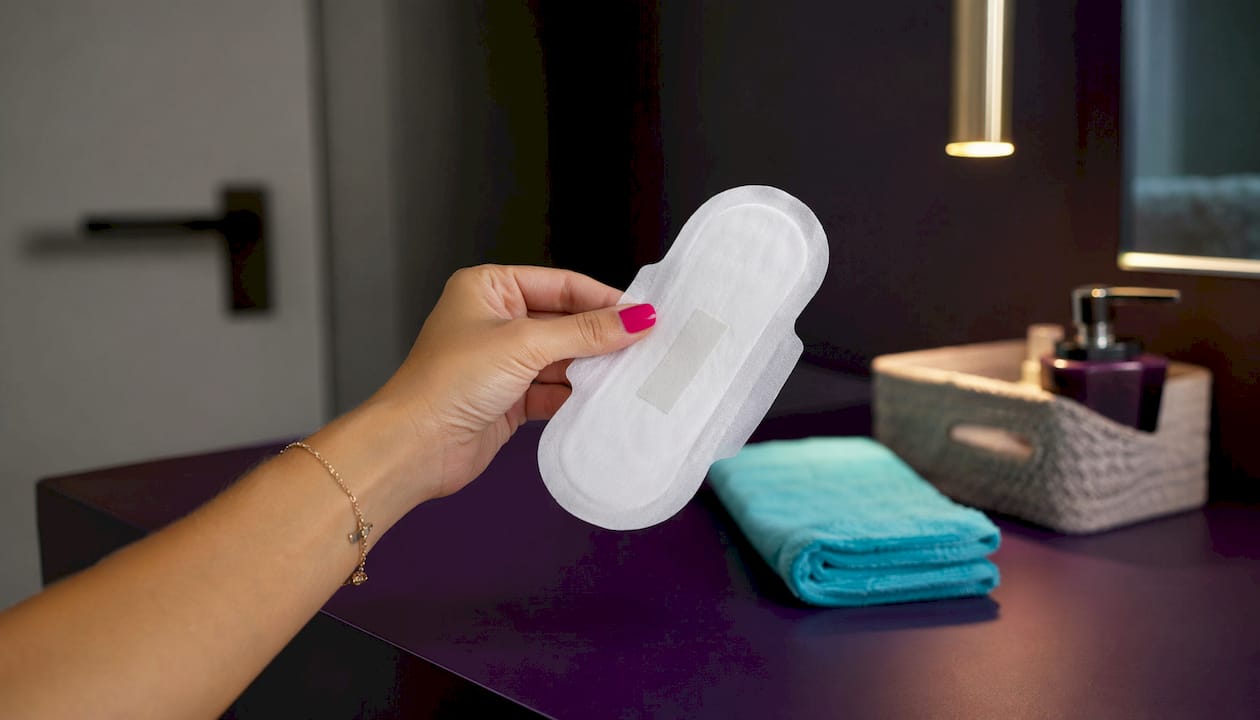
Disposable pads are the most widely used external product. They attach to the inside of underwear with an adhesive strip and come in sizes ranging from panty liners to overnight pads. Absorbency levels are labeled light, regular, heavy, and overnight, making it easy to match the pad to flow intensity. Most disposable pads should be changed every 4–8 hours to maintain hygiene and prevent odor.
Reusable cloth pads
Reusable cloth pads work the same way as disposable pads but are washed and reused after each use. They are made from soft fabrics like cotton or bamboo, which many girls with sensitive skin find more comfortable. A set of reusable pads costs more upfront but saves money over time and reduces waste. They are a solid eco-friendly menstrual option for families who want to lower their environmental footprint.
Period underwear
Period underwear looks like regular underwear but has built-in absorbent layers. Period underwear works best for light to moderate flow days or as backup protection alongside an internal product. On heavy flow days, period underwear alone may not provide enough coverage. It is a great option for overnight use or as a confidence layer during the first few periods when flow is unpredictable.
Key benefits of external products at a glance:
- No insertion required, making them ideal for beginners
- Available in a wide range of absorbencies and sizes
- Reusable cloth options reduce waste and long-term cost
- Period underwear doubles as backup protection on heavier days
- Easy to change and dispose of in most school restrooms
Pro Tip: Start your daughter with a regular absorbency pad for her first period. Once she understands her flow pattern over two or three cycles, she can try different sizes and absorbencies with confidence.
2. Internal menstrual products: tampons and safe use
Tampons are cylindrical products inserted into the vaginal canal to absorb flow internally. They are popular for active girls because they allow swimming, sports, and physical activity without restriction. Understanding safe use is the most important part of introducing tampons to a young person.
Tampon types and absorbency
Tampons come in light, regular, super, and super plus absorbencies. They are also available with plastic applicators, cardboard applicators, or no applicator at all. For first-time users, a plastic applicator tampon in light or regular absorbency is the most comfortable starting point.
Safety and TSS awareness
The FDA advises that tampons carry a rare risk of Toxic Shock Syndrome (TSS), a serious bacterial infection. The guidance is clear: always use the lowest absorbency needed and change tampons every 4–8 hours. TSS is rare, but knowing the warning signs, including sudden fever, rash, and dizziness, helps parents and girls respond quickly if symptoms appear.
Safe tampon use checklist:
- Always wash hands before insertion and removal
- Use the lowest absorbency that matches current flow
- Change every 4–8 hours without exception
- Never sleep with a tampon in for more than 8 hours
- Switch to a pad or period underwear overnight when possible
Pro Tip: If your daughter is nervous about tampon insertion, suggest she try it on a moderate flow day when the body is more relaxed. A small amount of water-based lubricant on the tip of the applicator can also make first-time insertion much easier.
3. Menstrual cups and discs: reusable internal options
Menstrual cups and discs are reusable internal products that collect flow rather than absorb it. This distinction matters because collection products do not dry out vaginal tissue the way absorbent products can.
How cups and discs work
A menstrual cup is a small, bell-shaped cup made from medical-grade silicone. It is folded, inserted into the vaginal canal, and creates a light seal to prevent leaks. A menstrual disc is flatter and sits higher, at the base of the cervix. Both can be worn for up to 12 hours before removal and rinsing.
Cost savings and environmental impact
A single medical-grade silicone cup costs $25–$45 and lasts 1–10 years. Disposable products typically cost $5–$15 per month. That means a cup pays for itself within 3–6 months. For families thinking about long-term costs, cups and discs are the most financially sound eco-friendly menstrual option available.
The learning curve
Most users take 2–3 cycles to become comfortable with cup insertion and removal. That adjustment period is completely normal. Practicing at home on lighter flow days builds confidence before trying it in a public restroom.
School and privacy considerations
Public school restrooms often lack private sinks near toilet stalls, which makes rinsing a cup difficult during the school day. Many teens prefer pads or period underwear at school and reserve cups for home use. This is a practical reality worth discussing with your daughter before she commits to cups as her primary product.
| Feature | Menstrual cup | Menstrual disc |
|---|---|---|
| Wear time | Up to 12 hours | Up to 12 hours |
| Material | Medical-grade silicone | Silicone or flexible polymer |
| Reusable | Yes | Yes (some disposable versions exist) |
| Learning curve | 2–3 cycles | Similar to cup |
| Best for | Home use, overnight | Active days, heavier flow |
Pro Tip: Sterilize a menstrual cup by boiling it in water for 5–10 minutes at the start and end of each cycle. Between uses during a cycle, rinsing with clean water is enough.
4. How to choose the best menstrual product for your child
There is no single best product for every girl. The right choice depends on anatomy, flow intensity, lifestyle, and personal comfort. Flow intensity is the most critical variable when selecting a product, and it often changes from day to day within a single cycle.
Here is a practical framework for making that choice together:
- Start with flow level. Light days call for panty liners or light absorbency pads. Heavy days may require pairing a tampon or cup with period underwear as backup protection.
- Consider the setting. School environments favor pads or period underwear for ease of changing. Sports and swimming call for tampons or cups. Check out this guide on supporting students at school for more practical tips.
- Factor in comfort and sensitivity. Girls with sensitive skin often do better with organic cotton pads or reusable cloth options. Internal products require comfort with insertion, which takes time to develop.
- Think about cost and sustainability. Disposables are convenient but add up in cost and waste. Reusable options like cups, cloth pads, and period underwear cost more upfront but save money over time.
- Involve your daughter in the decision. Letting her choose her products builds confidence and ownership over her own body. Start with one or two options and expand from there based on what feels right.
- Combine products when needed. Heavy flow days often require pairing products for reliable protection. A tampon plus period underwear, or a cup plus a light pad, covers most situations.
A helpful first period product guide can walk you through product categories in more detail if you want to go deeper on any option.
Key Takeaways
The most effective approach to choosing menstrual products is matching each option to your daughter’s flow level, comfort, and daily environment rather than defaulting to one product for every situation.
| Point | Details |
|---|---|
| Start with external products | Disposable pads are the recommended first option for beginners due to ease of use. |
| Match absorbency to flow | Use light products on light days and pair products on heavy days for reliable protection. |
| Cups save money long-term | A medical-grade silicone cup costing $25–$45 pays for itself within 3–6 months. |
| Tampons require safe use habits | Change every 4–8 hours and always use the lowest absorbency needed to reduce TSS risk. |
| Involve your daughter | Letting her choose her products builds confidence and comfort with her own body. |
What I’ve learned about preparing girls for their first period
The conversation parents dread most is often the one their daughters need most. What I have seen, again and again, is that girls who are prepared before their first period feel calmer, more confident, and far less embarrassed when it actually arrives. The product choice matters, but the conversation around it matters more.
One thing most parents get wrong is waiting until the period starts to introduce products. By then, the situation feels urgent and stressful. Practicing with a pad, holding a cup, or reading about tampons before any flow arrives takes the mystery out of it. Curiosity replaces fear.
The emotional side of menstruation is just as real as the physical side. A girl who feels supported by her parent or caregiver is more likely to ask questions, speak up when something feels wrong, and build a healthy relationship with her body over time. That confidence does not come from the right product alone. It comes from open, honest, ongoing conversation. Building a period self-care routine early makes the whole experience feel normal rather than scary.
— The
Themonthliesbox has you covered for first periods and beyond
Preparing your daughter for her first period is one of the most caring things you can do as a parent. Themonthliesbox makes that preparation practical, personal, and confidence-building.

The LavenHaven Care Package is a starter kit built specifically for young girls approaching their first period. It includes essential menstrual supplies, educational materials, and affirmations designed to make the experience feel supported rather than scary. For girls who are already managing their periods, the On-The-Go Kit keeps everything they need organized and discreet for school, sports, and daily life. Both kits reflect the Themonthliesbox Amethyst Method: affirm, understand, and equip.
FAQ
What are the main types of menstrual products?
Menstrual products fall into two categories: external options like pads and period underwear, and internal options like tampons, menstrual cups, and discs. Each type suits different flow levels, lifestyles, and comfort preferences.
What is the safest menstrual product for a first period?
Healthcare professionals recommend disposable pads as the safest starting point because they require no insertion and help beginners learn their flow pattern before trying internal products.
How long can you wear a menstrual cup?
A menstrual cup can be worn for up to 12 hours before it needs to be removed, rinsed, and reinserted. Most users take 2–3 cycles to feel fully comfortable with insertion and removal.
Can period underwear replace pads or tampons?
Period underwear works well for light to moderate flow or as backup protection, but it may not provide enough coverage on heavy flow days when used alone. Pairing it with an internal product gives the most reliable protection.
What is TSS and how do you avoid it with tampons?
Toxic Shock Syndrome is a rare but serious bacterial infection linked to tampon use. The FDA recommends using the lowest absorbency needed and changing tampons every 4–8 hours to minimize risk.
0 comments