

Menarche is the clinical term for a girl’s first menstrual period, derived from Ancient Greek words meaning “month” and “beginning.” It marks one of the most significant milestones in female puberty, signaling the body’s growing capacity for reproduction. Most girls reach menarche between ages 9 and 15, with the average falling around age 12. Knowing what the first period is called, what to expect, and how to talk about it openly gives you a real head start as a parent or guardian.
What is the first period called and what happens during it?
Menarche is the moment the uterine lining sheds for the first time, releasing blood through the vagina. The bleeding typically lasts between 3 and 7 days, though the first period is often lighter and shorter than later cycles. Girls may notice a brownish or pinkish discharge before the flow becomes more recognizable as red blood. This variation is completely normal and not a sign that anything is wrong.
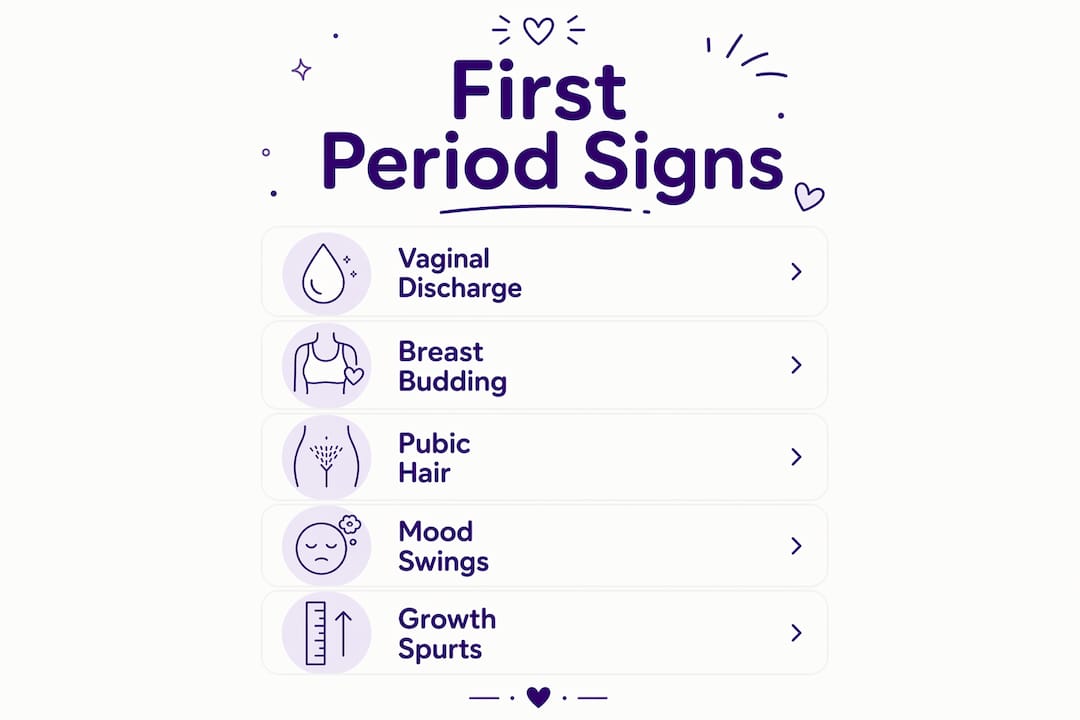
Before menarche arrives, the body sends clear signals over the course of two to three years. Puberty signs like breast budding, the growth of pubic and underarm hair, and the appearance of vaginal discharge all precede the first period. Breast budding is usually the earliest sign, appearing roughly two to three years before menarche. Vaginal discharge, which is clear or whitish, often begins about six to twelve months before the first period.
During the first menstrual period itself, girls commonly experience:
- Light to moderate bleeding that may appear brown, pink, or red
- Cramping or lower abdominal discomfort caused by the uterus contracting
- Mood swings and tiredness linked to shifting hormone levels
- Bloating or breast tenderness in the days leading up to and during bleeding
- Headaches or mild nausea in some cases
Pro Tip: Keep a small calendar or period tracking app like Clue or Flo on hand from the first period onward. Tracking cycle length and symptoms from day one makes it much easier to spot patterns and share useful information with a doctor if needed.
How to recognize first period signs before it arrives
Menarche occurs on average at around age 12, though anywhere between 9 and 15 is considered normal. This wide range means some girls in the same classroom will be years apart in their development, and both ends of the spectrum are healthy. Timing is largely influenced by genetics, body weight, and overall health.
Here are the most common first period signs to watch for, roughly in the order they tend to appear:
- Breast budding. This is typically the first visible sign of puberty, appearing as small, tender bumps under the nipples. Menarche usually follows about two to three years after this stage begins.
- Pubic and underarm hair growth. Hair appears in the pubic area and underarms as estrogen levels rise.
- A growth spurt. Girls often experience their fastest height increase in the year or two before their first period.
- Vaginal discharge. A clear or white discharge with no strong odor is a reliable sign that menarche is likely six to twelve months away.
- Widening hips and body shape changes. Fat redistribution around the hips and thighs is a normal part of this stage.
If your daughter shows signs of puberty before age 8, or if she has not started her period by age 15, medical consultation is advisable. Early or delayed menarche can sometimes point to hormonal imbalances or other health factors that a pediatrician can assess quickly. Reassure your daughter that her timeline is her own. Comparing herself to friends or classmates rarely helps and often adds unnecessary stress.
What to expect after menarche: cycles, emotions, and when to seek help
One of the most important things to understand after the first menstrual period is that irregular cycles are the norm, not the exception. Cycles after menarche can take up to three to six years to stabilize into a predictable pattern. A cycle that runs 21 days one month and 45 days the next is not unusual during the first few years. This unpredictability is one of the main reasons girls benefit from always carrying period supplies.
The emotional side of menarche is just as real as the physical side. Fluctuating estrogen and progesterone levels directly affect mood, energy, and sleep. Many girls feel a mix of emotions after their first period, ranging from pride and excitement to anxiety or embarrassment. All of these responses are valid. Your role as a parent is to normalize the experience without minimizing it.
Common emotional and physical experiences in the months after menarche include:
- Mood swings in the days before a period, often called premenstrual syndrome (PMS)
- Fatigue during the first two days of bleeding when flow is heaviest
- Anxiety or self-consciousness about leaks, odor, or managing products at school
- Cramping that ranges from mild to uncomfortable, typically easing after the first day or two
Comfort measures like warm baths, heating pads, and gentle movement help ease cramps and are worth introducing early. For natural approaches to managing discomfort, resources on relieving period cramps offer practical, non-medication options that work well for young teens. If cramping is severe enough to interfere with school or daily activities, that warrants a conversation with a doctor. Bleeding lasting more than 7 days or a sudden stop after regular cycles have been established also warrants medical evaluation.
Pro Tip: Reading through a guide on emotional responses to the first period together with your daughter before menarche arrives can open the door to honest conversation without it feeling like a formal talk.
How parents can prepare their daughters for the first period
Early, open conversations between parents and daughters reduce anxiety and stigma around menarche significantly. The goal is not a single big talk but a series of small, relaxed conversations that start well before the first period arrives. Normalizing the topic at home means your daughter is far less likely to feel shocked or ashamed when it happens.
Practical preparation matters just as much as emotional readiness. Here is a straightforward checklist to work through together:
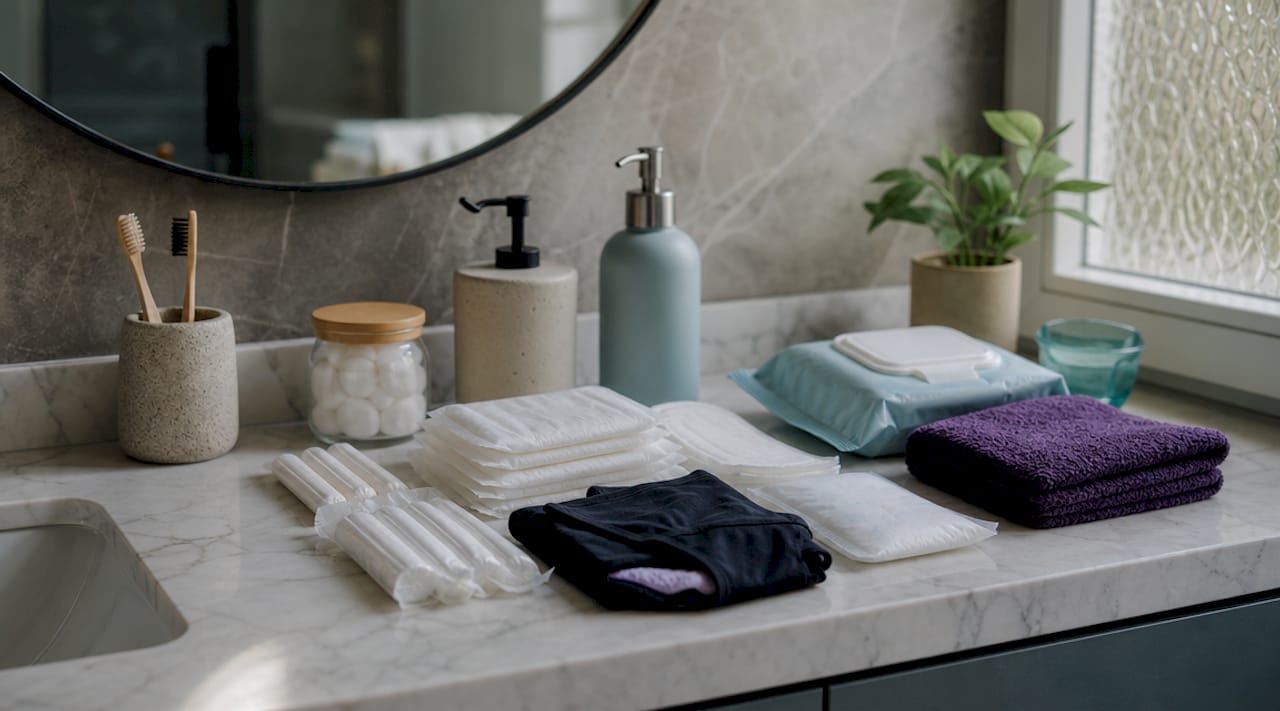
- Assemble a period kit for school. A small pouch containing two pads, a spare pair of underwear, and a small disposal bag gives your daughter everything she needs to handle her first period discreetly at school without panic.
- Stock the bathroom at home. Keep pads in an accessible, visible spot so she does not have to ask or search when the moment comes.
- Practice using a pad before menarche. Trying it on a regular day removes the uncertainty of figuring it out under pressure.
- Discuss hygiene basics. Changing a pad every four to six hours, washing hands before and after, and knowing what normal discharge looks like are all worth covering.
- Create a code word or signal. Some girls feel more comfortable signaling to a parent or trusted adult discreetly. Agreeing on a simple phrase in advance builds confidence.
The first period conversation guide from Themonthliesbox is a useful resource for parents who want a structured approach to these discussions, especially if starting the conversation feels awkward.
Comparing menstrual products for first-time users
Choosing the right product for a first period makes a real difference in how comfortable and confident a girl feels. Girls new to menstruation are advised to start with external products before considering internal options like tampons or menstrual cups. The table below breaks down the main options clearly.
| Product | Ease of use for beginners | Key benefit | Main challenge |
|---|---|---|---|
| Pads | Very easy | No insertion required | Bulkier, less suited for swimming |
| Period underwear | Very easy | Reusable, discreet | Higher upfront cost |
| Tampons | Moderate | Less visible under clothing | Requires correct insertion technique |
| Menstrual cups | More complex | Long-lasting, eco-friendly | Learning curve for first-time users |
Pads and period underwear are the most accessible starting points for most girls. They require no insertion, are easy to check and change, and give a clear visual of flow amount. Tampons and menstrual cups are worth introducing later, once a girl is comfortable with her cycle and her body. Trialing products during a regular cycle, rather than waiting for the first period, removes one layer of stress from an already new experience.
Key takeaways
Menarche, the medical term for a girl’s first menstrual period, typically occurs around age 12 and is best navigated with early preparation, open communication, and the right practical tools.
| Point | Details |
|---|---|
| Menarche defined | Menarche is the clinical term for the first period, usually arriving around age 12. |
| Signs to watch for | Breast budding, vaginal discharge, and a growth spurt signal menarche is approaching. |
| Cycle irregularity is normal | Cycles can take up to six years after menarche to become predictable. |
| Start with simple products | Pads and period underwear are the best first choices before moving to tampons or cups. |
| Open conversations matter | Early, stigma-free talks at home reduce anxiety and build lasting confidence. |
Why the conversation you have before menarche matters more than you think
Most parents wait too long. They plan for “the talk” as a single event, something to schedule and prepare for, when the research is clear that ongoing, casual conversations are far more effective. Girls who hear about menarche in small, relaxed doses at home arrive at their first period with confidence rather than confusion.
What I have seen, working alongside families navigating puberty, is that the biggest source of anxiety is not the period itself. It is the feeling of being caught off guard. A girl who knows what menarche means, who has a pad in her bag, and who knows she can text her mom without embarrassment is a girl who handles it. The physical experience is manageable. The emotional experience depends almost entirely on preparation.
One misconception I hear often from parents is that talking about periods too early will scare a daughter or make her anxious. The opposite is true. Silence creates fear. Knowledge creates calm. Starting the conversation at age 8 or 9, before any signs appear, gives her years to absorb the information at a low-stakes pace. By the time menarche arrives, it feels familiar rather than foreign.
The other thing worth saying plainly: your daughter is watching how you talk about this. If you approach it with embarrassment or hesitation, she learns that periods are something to be ashamed of. If you approach it with warmth and matter-of-fact confidence, she learns that her body is something to understand and care for. That lesson carries forward for decades.
— Themonthliesbox
Give your daughter the support she deserves from day one
Knowing what menarche is and what to expect is a strong start. Having the right tools in hand is what turns that knowledge into real confidence.

Themonthliesbox created the Amethyst Box specifically for this moment. It combines practical period supplies, affirmations, and educational materials into one thoughtfully curated experience built around the Amethyst Method: affirm, understand, and equip. For girls who want something portable and ready for school or outings, the on-the-go period kit keeps everything discreet and accessible. Both options are designed to make the first period feel supported rather than stressful.
FAQ
What is the medical name for a girl’s first period?
The medical term is menarche, derived from Ancient Greek words for “month” and “beginning.” It marks the start of a girl’s reproductive years and is considered a central event of female puberty.
What is the normal age range for a first period?
Most girls experience their first period between ages 9 and 15, with the average around age 12. If menarche begins before age 8 or has not occurred by age 15, a pediatrician should be consulted.
How long does a first period usually last?
A first period typically lasts between 3 and 7 days, though it may be shorter or lighter than later cycles. Brown or pinkish discharge at the start or end of bleeding is normal.
How can I tell if my daughter’s first period is coming soon?
The clearest sign is vaginal discharge, which usually begins six to twelve months before menarche. Breast budding, pubic hair growth, and a noticeable growth spurt are earlier indicators that typically appear one to three years before the first period.
Are irregular periods normal after menarche?
Yes. Irregular cycles for up to three to six years after the first period are completely normal as the hormonal system matures. Tracking cycles from the start helps identify patterns and flags anything worth discussing with a doctor.
0 comments