

Period bloating is defined as the swelling, fullness, or abdominal tightness caused by hormonal shifts during the menstrual cycle that trigger water retention and slow digestion. The medical term for this experience falls under premenstrual syndrome, or PMS, which encompasses a cluster of physical and emotional symptoms tied to the luteal phase of the cycle. Up to 70% of menstruating individuals report bloating as a primary PMS symptom. Symptoms typically start 3–5 days before a period and ease shortly after menstruation begins. Understanding what is period bloating, why it happens, and what you can do about it puts you in a much stronger position to manage it with confidence.
What is period bloating and what causes it?
Period bloating has two distinct physical drivers: fluid retention and slowed digestion. Most people assume it is all about water weight, but the digestive side of the equation is just as significant.
The hormonal mechanics behind fluid retention
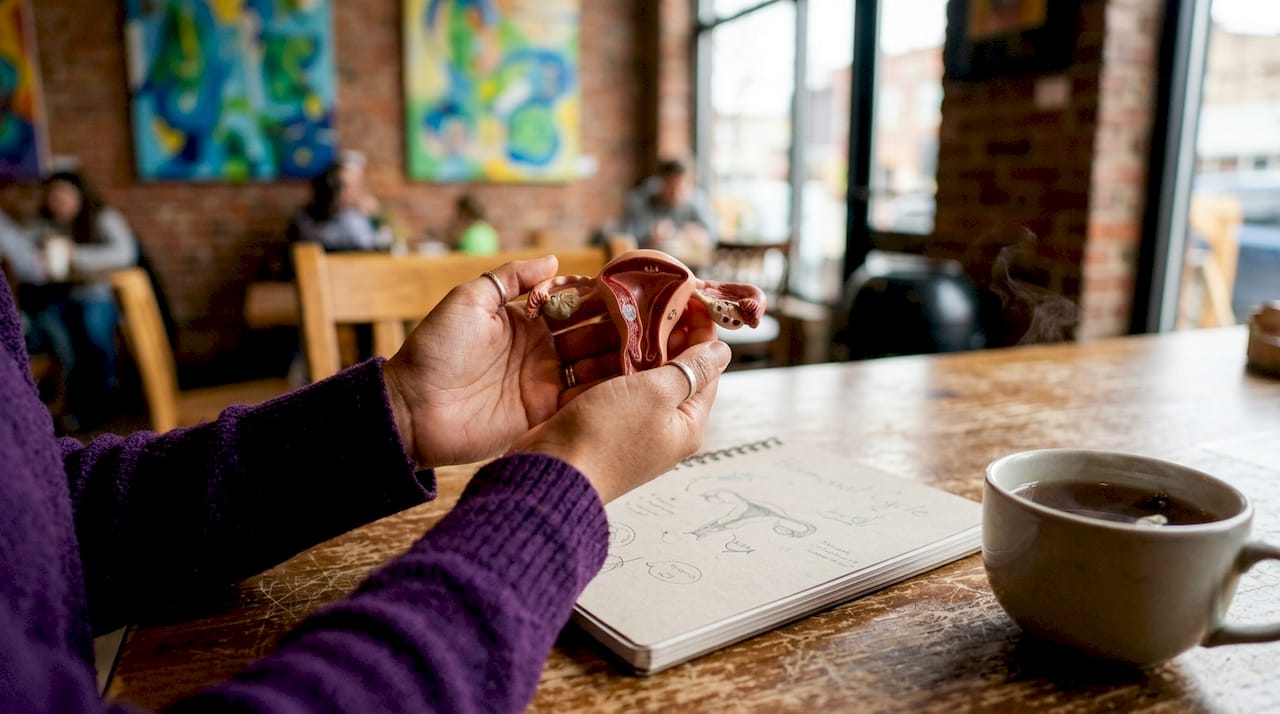
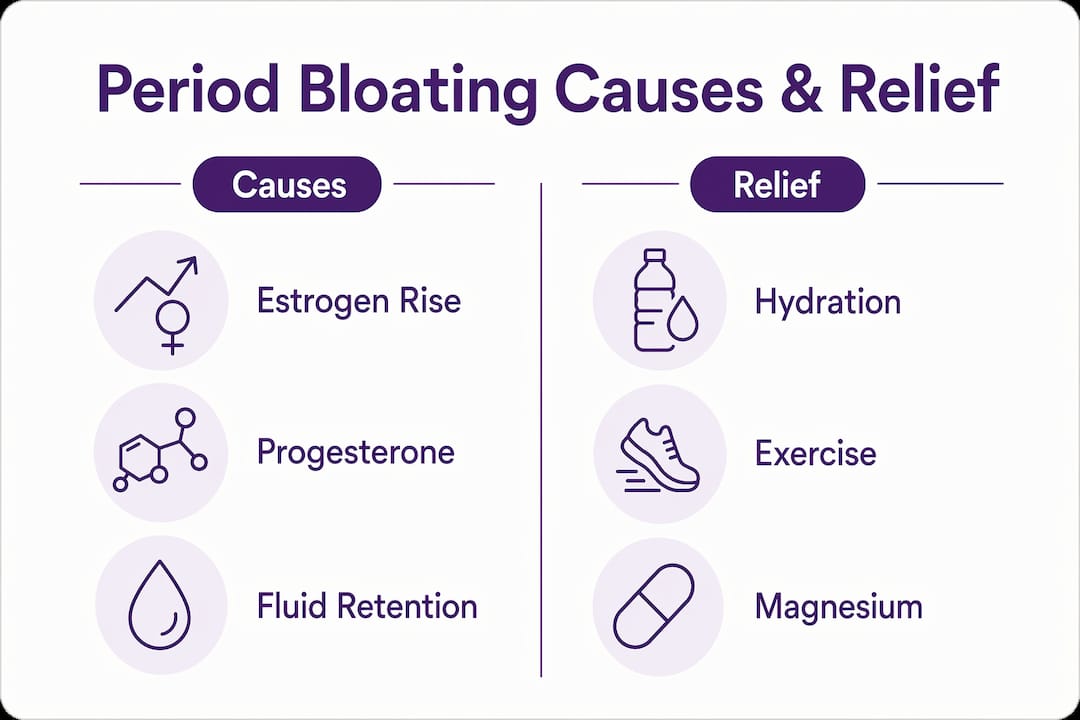
Estrogen rises during the first half of the menstrual cycle and peaks just before ovulation. High estrogen levels stimulate the production of aldosterone, a hormone that tells the kidneys to hold onto sodium and water. Estrogen and progesterone fluctuations cause this water retention and gut muscle relaxation, which together produce the bloated feeling. The result is a puffy, heavy sensation in the abdomen, hands, and even the face.
How progesterone slows your gut
Progesterone rises sharply during the luteal phase, the two weeks between ovulation and your period. Progesterone relaxes smooth muscle throughout the body, including the muscles that line the intestines. Slower intestinal movement means food and gas sit in the gut longer, causing distension and constipation. This digestive slowdown is a major contributor to bloating, not just water retention alone.
The gut-brain connection you might not expect
There is a third factor that most articles skip entirely: visceral hypersensitivity. During the luteal and menstrual phases, hormonal fluctuations increase gut sensitivity, making normal digestive sensations feel more intense and noticeable. The gut-brain axis amplifies these signals, so even a modest amount of gas or fluid can feel like significant bloating. This explains why two people with the same hormone levels can have very different bloating experiences.
Here is a quick summary of the three core causes:
- Fluid retention: Estrogen raises aldosterone, which causes the kidneys to hold sodium and water.
- Slowed digestion: Progesterone relaxes intestinal muscles, reducing peristalsis and causing constipation.
- Heightened gut sensitivity: The gut-brain axis amplifies digestive sensations during hormonal shifts.
Pro Tip: Track your bloating against your cycle dates for two to three months. Patterns that align with the luteal phase confirm a hormonal cause, which helps you and your doctor rule out unrelated digestive conditions.
What are the symptoms of period bloating?
Period bloating symptoms are recognizable, but they vary more than most people realize. Knowing the full range helps you tell the difference between a normal cycle symptom and something that needs attention.
The most common sensations include:
- Abdominal tightness or fullness: A feeling that your waistband is suddenly too tight, even without eating a large meal.
- Visible distension: The lower abdomen may look visibly swollen or rounded.
- Heaviness: A weighted, uncomfortable pressure in the pelvic and abdominal area.
- Gas and cramping: Slowed gut motility traps gas, which causes cramping alongside the bloating.
- Temporary weight gain: Fluid retention can add noticeable weight on the scale, typically resolving within a few days of menstruation starting.
- Constipation: Progesterone-driven slowdown in gut transit often means fewer and harder bowel movements in the days before a period.
Symptom intensity varies widely from person to person and even cycle to cycle. Stress, diet, sleep, and overall gut health all influence how severe bloating feels in any given month. Increased visceral hypersensitivity during menstrual phases means the same physical bloating can feel dramatically worse when you are stressed or sleep-deprived.
Timing is a reliable indicator. Bloating that starts 3–5 days before your period and clears within the first day or two of menstruation is almost certainly cycle-related. Bloating that persists well beyond your period, or that arrives at random points in your cycle, deserves a closer look.
Pro Tip: Keep a simple notes app entry each day rating your bloating from 1 to 5. After two cycles, you will have clear data to share with a healthcare provider if symptoms feel unmanageable.
How to reduce period bloating naturally
The good news is that lifestyle changes make a real difference. Diet and lifestyle factors directly influence how severe bloating becomes, which means you have meaningful control over your symptoms.
Here are the most effective strategies, in order of impact:
-
Cut back on salt. Sodium tells your kidneys to retain water. Reducing processed foods, canned soups, and salty snacks in the week before your period limits fluid buildup. Aim for whole, minimally processed foods during the luteal phase.
-
Stay well hydrated. Drinking enough water actually reduces fluid retention. When your body senses dehydration, it holds onto water more aggressively. Aim for at least eight cups of water daily, more if you exercise.
-
Move your body daily. Light exercise such as walking, yoga, or swimming improves gut motility and reduces water retention. Even 20–30 minutes of movement helps gas move through the digestive tract faster.
-
Limit caffeine and alcohol. Both caffeine and alcohol irritate the gut lining and can worsen bloating. Caffeine also raises cortisol, which amplifies gut sensitivity during an already sensitive hormonal window.
-
Eat smaller, more frequent meals. Large meals put more pressure on a gut that is already moving slowly. Smaller portions eaten every 3–4 hours reduce the load on your digestive system and minimize gas buildup.
-
Prioritize gut-friendly foods. Foods rich in potassium, such as bananas, sweet potatoes, and leafy greens, help balance sodium levels and reduce fluid retention. Probiotic-rich foods like yogurt support gut motility.
-
Manage stress actively. Stress directly worsens gut sensitivity through the gut-brain axis. Practices like deep breathing, journaling, or even a short walk outside lower cortisol and reduce the perception of bloating.
Meal timing and portion control significantly affect bloating severity during menstrual phases. Consistency matters more than perfection. Applying these habits throughout the entire luteal phase, not just on the worst days, produces the most noticeable relief.
You can also find practical guidance on self-care during periods that covers lifestyle habits specifically designed to support menstrual comfort.
Pro Tip: Magnesium glycinate taken in the week before your period has shown promise for reducing water retention and muscle cramping. Talk to your doctor before adding any supplement to your routine.
When should you see a doctor about period bloating?
Most bloating during menstruation is normal and manageable. But certain symptoms signal that something more is going on and that a healthcare provider needs to be involved.
Watch for these red flags:
- Bloating that does not ease after your period ends. Normal cycle-related bloating resolves within the first day or two of menstruation. Persistent bloating beyond that window is not typical.
- Severe abdominal pain. Cramping is common, but pain that is debilitating or that gets worse over time warrants evaluation.
- Fever or vomiting alongside bloating. These symptoms together suggest an acute issue that needs prompt medical attention.
- Rapid or unusual abdominal swelling. Swelling that appears suddenly and is not tied to your cycle timing needs investigation.
- Bloating that worsens cycle after cycle. A gradual increase in severity over several months is a pattern worth discussing with a doctor.
Severe or persistent bloating with vomiting, fever, or severe pain requires medical evaluation to rule out conditions like endometriosis, irritable bowel syndrome (IBS), or ovarian cysts. These conditions can mimic or worsen period bloating and respond to specific treatments.
Tracking symptoms over 2–3 cycles gives your healthcare provider the data needed to make an accurate diagnosis. A simple log of symptom type, intensity, and cycle day is far more useful than a general description of “bad bloating.” Bring that log to your appointment.
Bloating can persist beyond typical period days during perimenopause due to shifting hormonal baselines. If you are in your late 30s or 40s and notice your bloating patterns changing, that context is worth sharing with your doctor.
Key Takeaways
Period bloating is a normal but manageable PMS symptom driven by estrogen-triggered fluid retention, progesterone-slowed digestion, and heightened gut sensitivity during the luteal phase.
| Point | Details |
|---|---|
| Hormonal root cause | Estrogen raises aldosterone for fluid retention; progesterone slows gut motility and causes constipation. |
| Gut-brain amplification | Visceral hypersensitivity during the luteal phase makes bloating feel more intense than its physical cause alone. |
| Lifestyle relief works | Reducing salt, staying hydrated, exercising, and eating smaller meals consistently lowers bloating severity. |
| Symptom tracking matters | Logging bloating over 2–3 cycles helps distinguish normal PMS from conditions like endometriosis or IBS. |
| Know the red flags | Bloating that persists after your period, comes with fever or vomiting, or worsens each cycle needs medical evaluation. |
What I’ve learned about period bloating that most articles miss
The conversation around period bloating almost always focuses on what to eat or not eat. That advice is useful, but it misses the bigger picture. The gut-brain connection is the piece that changes everything.
When you are stressed, sleep-deprived, or anxious, your nervous system becomes hypervigilant to sensations in your body. During the luteal phase, when your gut is already more sensitive, that hypervigilance creates a feedback loop. A small amount of gas feels like severe bloating. Normal digestive movement feels painful. The physical symptoms are real, but the nervous system is amplifying them significantly.
This is why two people with identical hormone levels can have completely different bloating experiences. It is also why stress management is not a soft suggestion. It is a direct intervention in how much discomfort you feel.
The other thing I want to say clearly: do not normalize severe bloating just because bloating in general is common. Common does not mean you have to suffer through it. If your bloating is disrupting your daily life, that is information worth acting on. Understanding how hormones affect your cycle is the first step toward feeling supported rather than blindsided every month. You deserve to feel comfortable in your body, and the tools to get there are real and accessible.
— The
Practical period comfort, curated for you
Knowing what causes bloating is one thing. Having the right tools on hand when it hits is another.
Themonthliesbox curates self-care experiences designed specifically for menstrual comfort and well-being. The Monthlies Deluxe Box brings together practical comfort essentials in one thoughtful package, including items that support hydration, relaxation, and physical relief during the days when bloating and cramping feel like too much. For those who want something portable, the On-The-Go Kit keeps period care essentials within reach wherever you are. Themonthliesbox is built around the belief that every person who menstruates deserves to feel supported, prepared, and cared for. Visit Themonthliesbox to find the right fit for your self-care routine.
FAQ
What is period bloating exactly?
Period bloating is abdominal swelling, fullness, or tightness caused by hormonal changes during the menstrual cycle. Estrogen triggers fluid retention and progesterone slows digestion, both of which contribute to the bloated feeling.
Is period bloating normal?
Yes. Up to 70% of menstruating individuals report bloating as a primary PMS symptom, making it one of the most common cycle-related experiences. It typically resolves within the first day or two after menstruation begins.
How long does period bloating last?
Period bloating usually starts 3–5 days before a period and eases shortly after menstruation begins. Bloating that persists well beyond the start of your period may indicate an underlying condition worth discussing with a doctor.
What helps with bloating during your period?
Reducing salt intake, staying hydrated, exercising regularly, and eating smaller meals are the most effective lifestyle strategies for period bloating relief. Limiting caffeine and alcohol during the luteal phase also reduces gut irritation and fluid retention.
When should period bloating concern you?
Seek medical advice if bloating is severe, comes with fever or vomiting, does not ease after your period ends, or worsens progressively over multiple cycles. These patterns can indicate conditions like endometriosis, IBS, or ovarian cysts that require professional evaluation.
0 comments