

Period cramps happen because your uterus contracts to push out its lining every month, and those contractions are triggered by hormone-like chemicals called prostaglandins. When progesterone and estrogen drop at the end of your cycle, the uterine lining begins to shed. As it does, it releases prostaglandins, specifically prostaglandin F2 alpha and prostaglandin E2, which ramp up uterine muscle tone and cause strong, high-amplitude contractions. Those contractions squeeze blood vessels, cutting off oxygen to uterine tissue. That localized oxygen deprivation is what you feel as cramping pain. The more prostaglandins released, the more intense the contractions, and the more pain you experience.
Here is what that means in plain terms:
- Prostaglandins are the primary driver of menstrual cramps
- Cramp intensity directly correlates with prostaglandin levels
- Contractions restrict blood flow, causing tissue hypoxia and pain
- Cramps are typically worst at the start of your period
- This process is a normal uterine function, not a sign something is broken
Understanding this isn’t just reassuring. It’s the first step toward doing something about it.
What period cramps actually feel like
Most people describe menstrual cramps as a throbbing, crampy pain centered low in the abdomen, right at the midline. The pain can radiate to the lower back or travel down the upper legs, which surprises a lot of people the first time it happens. According to StatPearls on dysmenorrhea, common accompanying symptoms include:
- Nausea and vomiting
- Headaches and dizziness
- Fatigue and difficulty sleeping
- Diarrhea or loose stools
- Lower back ache
The pain usually starts within a few hours of your period beginning and resolves within a few days. That timing is consistent enough that many people can predict it cycle to cycle. That said, intensity varies a lot from person to person and even from one cycle to the next. Stress, sleep, and overall health all play a role in how severe any given month feels.
Pro Tip: Keep a simple notes app log of when cramps start, how intense they are, and what helps. Even two or three cycles of data can reveal your personal pattern and help you prepare.
When you should talk to a doctor about your cramps
Cramps are normal. Cramps that disrupt your daily life or keep getting worse are not something to push through silently. Hopkins Medicine notes that severe or worsening cramps, or pain that starts suddenly after age 25, should prompt a conversation with a healthcare provider. These can signal secondary dysmenorrhea, a type of menstrual pain caused by an underlying condition rather than normal hormonal activity.
Reach out to a doctor if you notice any of the following:
- Pain that is getting worse over time, not staying the same
- Cramps that begin before your period starts and linger after it ends
- Bleeding that is heavier than usual or irregular
- Pain on days when you are not menstruating
- Fever alongside pelvic pain
- Pain that prevents you from going to school, work, or normal activities
None of these symptoms mean something is definitely wrong, but they do mean you deserve answers. A doctor can rule out conditions like endometriosis or fibroids and help you find real relief.
Primary vs. secondary dysmenorrhea: what is the difference?
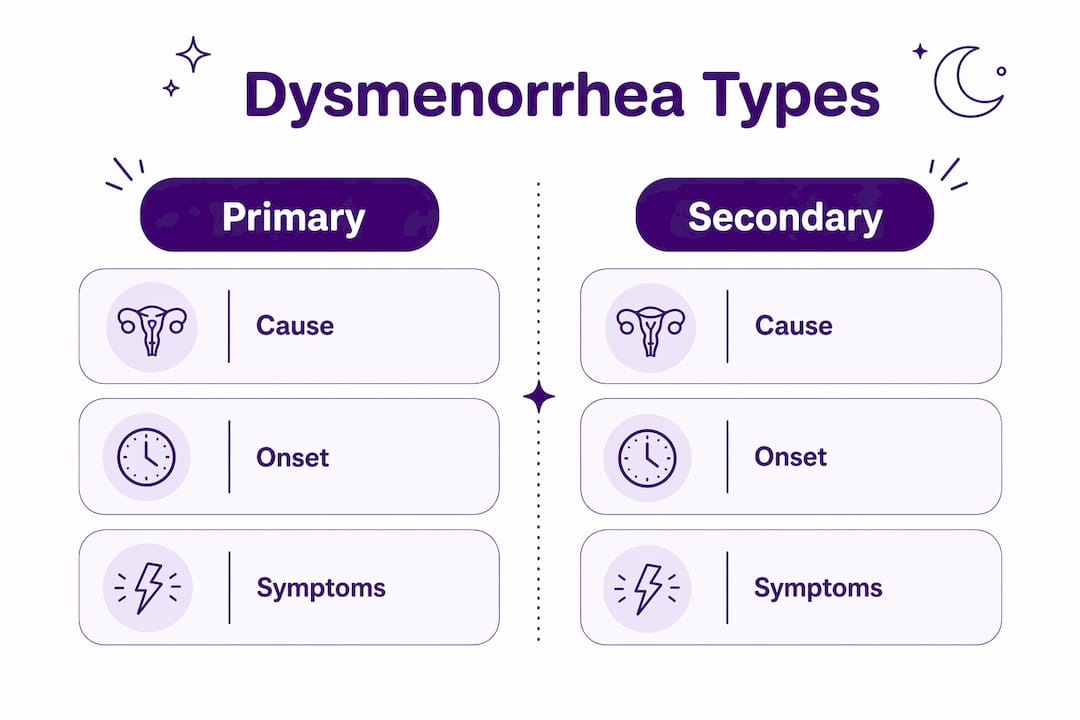
The medical term for painful periods is dysmenorrhea, and it comes in two forms. Knowing which type you have changes everything about how it is treated.
| Primary dysmenorrhea | Secondary dysmenorrhea | |
|---|---|---|
| Cause | Excess prostaglandins, no underlying condition | Identifiable condition such as endometriosis or fibroids |
| Onset | Usually within a few years of first period | Often appears later in life, sometimes after 25 |
| Pain timing | Starts with period, resolves within a few days | May start before period and continue after |
| Progression | Tends to stay consistent or improve with age | Often worsens over time |
| Treatment focus | NSAIDs, heat, lifestyle support | Treating the underlying condition |
MedlinePlus describes primary dysmenorrhea as the most common kind, caused by too many prostaglandins with no other pathology involved. Secondary dysmenorrhea, by contrast, reflects an anatomical or pathological change in the reproductive system. Differentiating the two is the foundation of effective long-term care.
Conditions and risk factors that make cramps worse
Some people experience cramps that go well beyond typical discomfort. Risk factors for severe menstrual pain include early menarche, heavy menstrual flow, and family history of painful periods. Beyond those, several underlying conditions can cause or intensify secondary dysmenorrhea:
- Endometriosis: Tissue similar to the uterine lining grows outside the uterus, causing inflammation, scarring, and significant pain
- Adenomyosis: The uterine lining grows into the muscle wall of the uterus itself, making contractions more painful and periods heavier
- Uterine fibroids: Noncancerous growths in or on the uterus that can increase cramping and bleeding
- Pelvic inflammatory disease (PID): An infection of the reproductive organs that causes chronic pelvic pain and worsens during menstruation
Each of these conditions changes the physical environment of the uterus in ways that amplify the normal contraction process. For young people just starting their periods, self-care during periods can help manage discomfort while you and your family learn what is normal for your body.
How to manage menstrual pain, physically and emotionally
The most clinically supported way to reduce period cramps is NSAIDs, such as ibuprofen. They work by inhibiting prostaglandin production, which directly reduces the intensity of uterine contractions. Starting them a day before your period begins, if you can predict it, tends to work better than waiting until pain peaks.
Beyond medication, several approaches genuinely help:
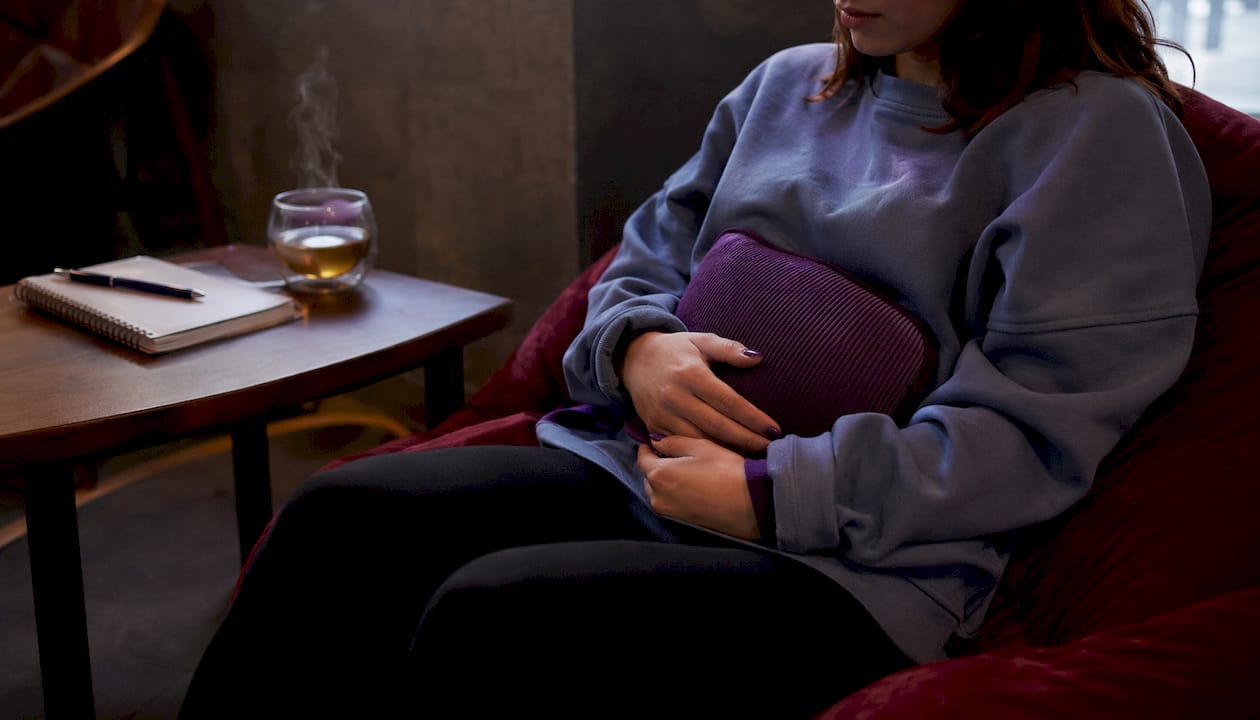
- Heat therapy: A heating pad or menstrual heating belt applied to the lower abdomen relaxes uterine muscles and improves blood flow
- Gentle movement: Light exercise like walking or yoga can reduce prostaglandin-driven inflammation
- Cycle tracking: Knowing when your period is coming lets you prepare mentally and physically; tracking your cycle is one of the most practical tools available
One piece that often gets overlooked is the psychological side. Research shows that anxiety and psychological stress can amplify the perception of menstrual pain, meaning that mental health support is not separate from physical relief. It is part of the same picture. Addressing period anxiety alongside physical symptoms produces better outcomes than treating either in isolation.
Pro Tip: If cramps feel worse during stressful weeks, that is not a coincidence. Pairing a heating pad with a calming routine, like deep breathing or a warm bath, can take the edge off in ways that ibuprofen alone sometimes cannot.

Key Takeaways
Period cramps are caused by prostaglandins triggering uterine contractions that restrict blood flow, and their severity depends on prostaglandin levels, individual biology, and whether an underlying condition is present.
| Point | Details |
|---|---|
| Prostaglandins drive cramp pain | They trigger uterine contractions that cut off oxygen to tissue, causing the pain you feel. |
| Cramps peak in the first two days | Pain is typically worst at the start of your period and resolves within 72 hours. |
| Two types require different care | Primary dysmenorrhea is hormonal; secondary is caused by conditions like endometriosis or fibroids. |
| Worsening pain needs medical attention | Pain that grows over time or starts after age 25 may signal an underlying condition. |
| NSAIDs and heat are first-line relief | Both reduce prostaglandin activity or ease muscle tension, and work best when used early. |
Every girl deserves to understand her own body, and no one should have to figure this out alone. At Themonthliesbox, we build tools, education, and care packages designed to make puberty something you grow through with confidence. Whether you are a parent preparing your daughter for her first period or a young person looking for support you can actually use, we are here for all of it.
0 comments