

Periods are a normal, healthy biological process and not inherently dangerous or frightening. The average period involves only about 2–3 tablespoons of blood loss across the entire cycle, and menstruation is something billions of people experience throughout their reproductive years. That is not a crisis. That is a body doing exactly what it is supposed to do.
If you or someone you love feels anxious about periods, you are not alone, and that feeling makes complete sense given how rarely we talk about this openly. Here are three things to hold onto right now:
- If you are worried about your period, talk to a trusted adult, a school nurse, or a doctor. Most concerns are completely normal.
- If you need supplies, a pad, tampon, menstrual cup, or period underwear will keep you comfortable and protected.
- If something feels physically wrong (soaking through a pad every hour, fever after using a tampon), that is a signal to see a doctor, not a reason to panic.
Pro Tip: Keep a small period kit in your backpack or bag before your first period arrives. A couple of pads, a spare pair of underwear, and a few pain relievers can turn a stressful moment into a manageable one.
Table of Contents
- Why do periods feel so scary in the first place?
- Common period myths and the facts that replace fear
- What is a period, really? The biology that removes the mystery
- How to manage your period safely and comfortably
- How to talk about periods so they stop feeling like a secret
- Managing anxiety about periods: reframes and coping tools that actually help
- How the Amethyst Method helps girls feel ready, not afraid
- Key Takeaways
- Fear is real, and so is the path through it
- The Monthlies Amethyst Box: a ready-made first step
- Useful sources and further reading
Why do periods feel so scary in the first place?
Fear of menstruation rarely comes from biology. It comes from stories, silence, and shame passed down through generations. Understanding where that fear starts is the first step to letting it go.
For centuries, many cultures treated menstruation as something unclean, dangerous, or even supernatural. Women were historically excluded from religious spaces, kitchens, and social gatherings during their periods. Those rules were not based on medicine. They were based on discomfort and misunderstanding, and they left a lasting mark on how families talk (or don’t talk) about periods today.
Historical and cultural myths continue to amplify shame and fear long after the original context disappears. When a child grows up hearing whispered references to “that time of the month” or watching adults change the subject, the message lands clearly: this is something to be embarrassed about. A single humiliating experience at school can reinforce that message for years.
Media has not always helped. Commercials for period products historically showed blue liquid instead of anything resembling real blood, reinforcing the idea that menstruation is too messy or too gross to acknowledge honestly. That gap between reality and representation feeds anxiety.
“Normalizing conversations at home, using clear biological language early, is one of the highest-impact steps families can take to reduce period fear. When adults speak calmly and factually about menstruation, children learn that it is safe to do the same.” — UNICEF guidance on menstrual health education
The good news: education works. When young people receive accurate, calm information about menstruation, fear decreases. The stigma is not permanent. It is learned, and it can be unlearned.
Common period myths and the facts that replace fear
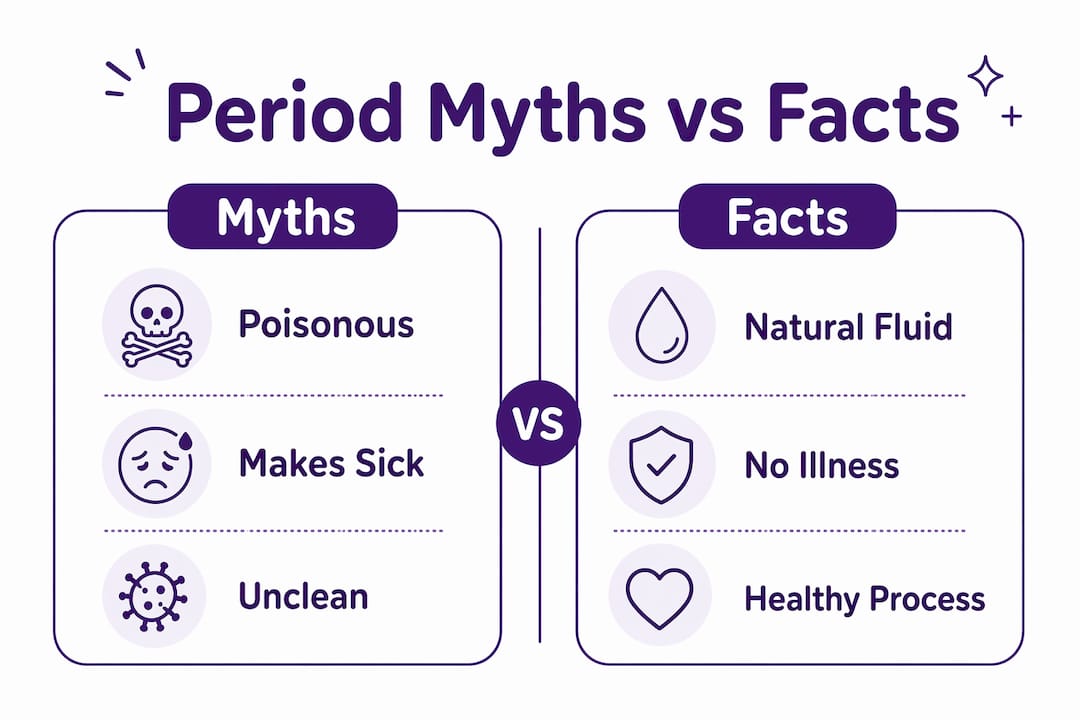
Most period anxiety is rooted in myths, not medicine. Here are the ones that come up most often, and what is actually true.
- Myth: Period blood is dirty or toxic. Period blood is not dirty. It is a mix of blood, uterine tissue, and natural fluids. It is not waste in any harmful sense, and it is not poisonous.
- Myth: Having a period means something is wrong with you. Menstruation is a sign that the reproductive system is working. It is a health indicator, not an illness.
- Myth: Periods are contagious. This one sounds almost too strange to address, but it circulates. Periods are a biological process. They cannot be “caught.”
- Myth: Using a tampon means you are no longer a virgin. Virginity is a social concept, not a medical one. A tampon does not change anatomy in any meaningful way.
- Myth: Severe cramps are always a sign of something serious. Mild to moderate cramping is common and caused by the uterus contracting. Cramps that are severe enough to stop daily activities, however, are worth discussing with a doctor, as conditions like endometriosis can be the cause.
- Myth: You cannot swim during your period. Swimming is completely safe during a period. Pads are not effective in water, but tampons, menstrual cups, and period swimwear work well.
Is period blood poisonous? No. Period blood is not toxic or harmful. It is a natural bodily fluid.
Can you get sick from your own period? No. Menstruation is a normal process. It does not make you ill.
Pro Tip: When someone expresses fear or disgust about periods, try responding with calm curiosity rather than correction: “I used to think that too. What I learned is…” That approach tends to open a conversation rather than close one.
What is a period, really? The biology that removes the mystery
A period is the shedding of the uterine lining. Each month, the body prepares the uterus for a potential pregnancy by thickening its lining. When pregnancy does not occur, that lining breaks down and flows out through the vagina. The fluid is a mix of blood, tissue, and natural secretions, which is why it can look different shades of red or brown at different points in the cycle.
Most people bleed for 3–7 days, with heavier flow at the start that lightens toward the end. Adult cycles typically run every 21–35 days, though the Cleveland Clinic notes that cycles shorter than 24 days or longer than 38 days in adults can warrant a conversation with a doctor.
Adolescents often experience wider variation. The Period Education Project reports that cycle lengths of 21–45 days are common in the first 1–3 years after a first period. That irregularity is usually normal, not a problem.
Common symptoms include cramps, bloating, mood changes, and breast tenderness. These are driven by hormonal shifts, specifically changes in estrogen and progesterone, and they vary widely from person to person. Some people barely notice their period. Others find the first couple of days genuinely uncomfortable. Both experiences are within the range of normal.
For a simple biology primer written for both girls and parents, Themonthliesbox has a helpful guide that walks through the basics in plain language.
When should you see a doctor?
Most period experiences do not require urgent care. These signs, however, are worth a prompt medical visit:
- Soaking through a pad or tampon every 1–2 hours for several hours in a row
- Bleeding that lasts longer than 8 days
- Clots larger than a quarter
- Severe pain that stops you from going to school, work, or daily activities
- Fever after using a tampon (a possible sign of toxic shock syndrome)
- No period for more than 90 days when not pregnant
These are thresholds for action, not panic. A doctor visit is a practical step, not an emergency.
Quick reference: typical menstrual cycle ranges
| Measure | Typical Range | Notes |
|---|---|---|
| Cycle length (adults) | 21–35 days | Shorter than 24 or longer than 38 days warrants review |
| Cycle length (adolescents, first 1–3 years) | 21–45 days | Wide variation is developmentally normal |
| Bleeding duration | 3–7 days | Heavier at start, lighter toward end |
| Average blood loss | ~2–3 tablespoons | Most flow is fluid and tissue, not pure blood |
How to manage your period safely and comfortably
Knowing your options removes a huge amount of anxiety. There is no single “right” product, and most people try a few before finding what works best for them.
- Pads are the easiest starting point, especially for a first period. They attach to underwear and require no insertion. Change them every 4–6 hours.
- Tampons are inserted into the vagina and are useful for swimming and sports. Change them every 4–8 hours. Never leave one in longer than 8 hours to reduce the risk of toxic shock syndrome (TSS).
- Menstrual cups are reusable silicone cups that collect rather than absorb flow. They can stay in for up to 12 hours and are a good long-term option once you are comfortable with insertion.
- Period underwear absorbs flow directly and works well as a backup layer or on lighter days.
For swimming, pads simply do not work in water. A tampon or menstrual cup keeps you protected, and the water pressure means very little blood actually flows while you are submerged. The shark-attack fear? Completely unsupported. Sharks are not attracted to menstrual blood in any meaningful way.
Odor is another common worry. Period blood has very little smell until it contacts air, and regular changing of products keeps odor minimal. A period self-care routine that includes regular product changes and gentle washing is all that is needed.
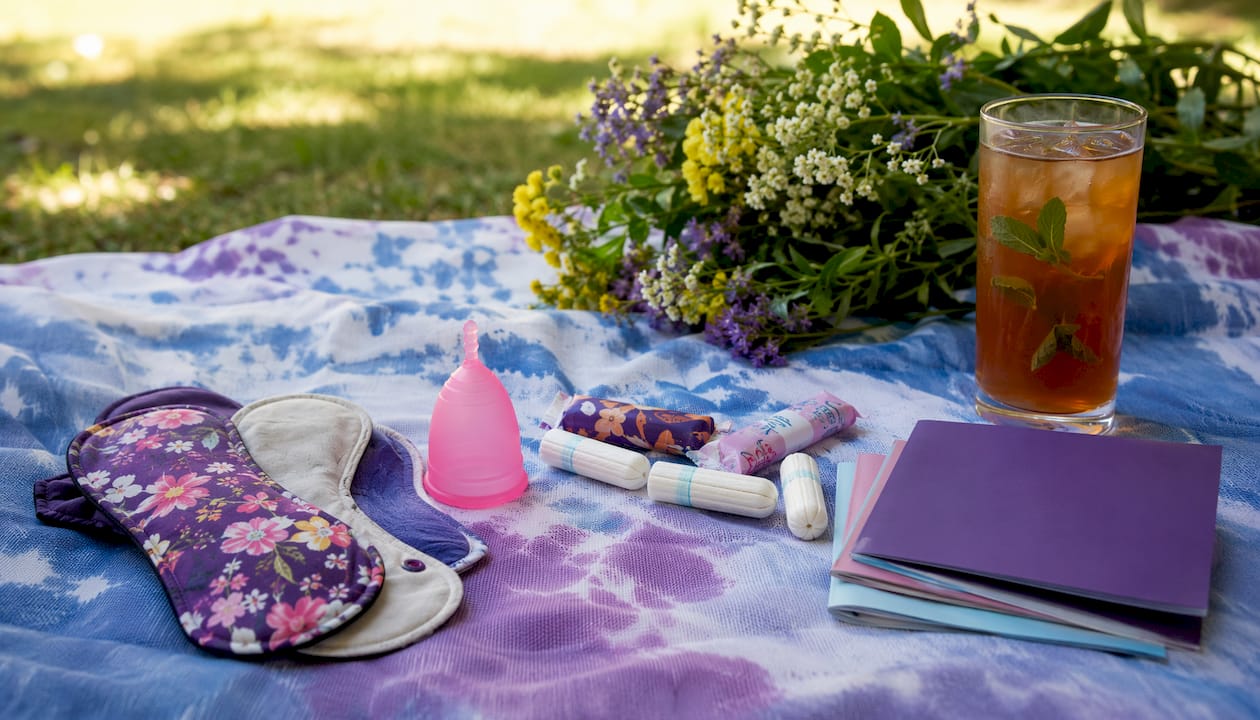
Some people find that warm herbal teas, like those found at TeaBenefit.com, offer a comforting ritual during the first couple of days of their cycle. They are not a medical treatment, but warmth and routine can genuinely help.
Pro Tip: Pack a small zip pouch with two pads or tampons, a spare pair of underwear, and a travel-size pain reliever. Keep it in your bag before your period is due. Having it there means one less thing to worry about.
How to talk about periods so they stop feeling like a secret
The single most effective thing a parent, teacher, or caregiver can do is talk about periods calmly and early. UNICEF guidance consistently points to open, biological-language conversations as the highest-impact way to reduce stigma and anxiety in young people.
Here is how to make that happen in real life.
Steps to normalize at home and school
- Start before puberty begins. Ages 7–10 is the right window to introduce basic concepts. You do not need to cover everything at once.
- Use correct anatomical language. Words like “uterus,” “vagina,” and “menstruation” remove mystery. Euphemisms like “down there” or “your thing” quietly signal that the topic is shameful.
- Model calm. If you react to period questions with discomfort or embarrassment, children notice. A matter-of-fact tone teaches more than any script.
- Include boys and non-binary kids. Everyone benefits from understanding menstruation. It builds empathy and reduces the kind of teasing that causes lasting shame.
- Make it ongoing. One big “talk” is less effective than many small, natural conversations over time.
Sample phrases by age
- Ages 7–10: “Every month, a girl’s body gets ready in case it might grow a baby. When it doesn’t, the body cleans itself out. That’s called a period. It’s totally normal.”
- Preteen (ages 10–12): “Your period might start sometime in the next year or two. It’s just your uterus shedding its lining. It can feel a little crampy, but it’s healthy and manageable.”
- Teen: “If you ever have questions about your period or something feels off, I’m always here. There’s no wrong question.”
For more detailed scripts and age-appropriate language, Themonthliesbox has a dedicated guide on starting period conversations with younger kids.
When a partner or peer needs guidance, keep it simple: “Do you need anything? I can grab supplies.” No drama, no over-explaining. Just practical support.
Managing anxiety about periods: reframes and coping tools that actually help
Anxiety about periods often comes from uncertainty. The less predictable a period feels, the scarier it seems. The good news is that most anxiety-reduction strategies here are practical, not clinical.
- Reframe what a period means. A period is not a malfunction. It is confirmation that the reproductive system is working. Irregular cycles in the first few years after menarche are developmentally normal, not a warning sign.
- Track your cycle. Tracking cycles builds a personal baseline and helps distinguish normal fluctuation from changes worth discussing with a doctor. Apps like Clue or Flo make this simple, but even a paper calendar works.
- Try gentle movement. Exercise during a period is safe and can reduce cramps by releasing endorphins. A short walk or light yoga on a heavy day often helps more than staying still.
- Use grounding when panic hits. If anxiety spikes, try the 5-4-3-2-1 technique: name five things you can see, four you can touch, three you can hear, two you can smell, one you can taste. It interrupts the anxiety spiral quickly.
- Seek support when needed. If period anxiety is affecting daily life, a therapist or counselor who works with adolescents can help. This is not an overreaction. It is good self-care.
For parents, the language you use matters more than you might expect. Saying “your period might feel uncomfortable, and that’s okay, we’ll handle it together” is far more reassuring than “it’s not a big deal” or “you’ll be fine.” The first acknowledges the feeling. The second dismisses it.
Pro Tip: Practitioners recommend validating the feeling before offering the fact. “That sounds scary. Here’s what’s actually happening in your body” lands much better than leading with the biology.
For more on managing first-period anxiety, Themonthliesbox has a parent-focused guide grounded in pediatric and professional guidance.
How the Amethyst Method helps girls feel ready, not afraid
Themonthliesbox built its approach around one core idea: a girl who feels prepared does not need to be afraid. The Amethyst Method moves through three phases, and each one directly addresses a different layer of period fear.
The three phases:
- Affirm. Before anything else, a girl needs to hear that she is enough, that her body is not broken, and that what she is experiencing is normal. Affirmations in the Amethyst Box are not generic. They are written to speak directly to the feelings that come up around puberty.
- Understand. Educational materials in the box explain what a period is, what to expect, and why it happens, in language that is clear and age-appropriate. Knowledge replaces mystery.
- Equip. Practical supplies mean a girl is never caught off guard. The Amethyst Box includes period products, self-care items, and tools that make the first period feel manageable rather than overwhelming.
This three-step structure echoes what UNICEF and public health organizations have long recommended: normalize through language, educate through accurate information, and prepare through practical readiness.
The Amethyst Method is not a clinical program. It is a thoughtful, character-driven experience designed to make puberty something to grow through, not something to dread. Parents who go through it alongside their daughters often find it opens conversations they did not know how to start.
Key Takeaways
Periods are a normal, healthy biological process, and the fear surrounding them is almost always rooted in cultural myths rather than medical reality.
| Point | Details |
|---|---|
| Periods are normal | Average blood loss is only about 2–3 tablespoons per cycle; menstruation is a sign of a working reproductive system. |
| Myths drive fear | Cultural stigma, not biology, is the main source of period anxiety; education consistently reduces fear. |
| Cycle variation is normal | Adult cycles run 21–35 days; adolescent cycles can range 21–45 days in the first 1–3 years after menarche. |
| Know the red flags | See a doctor if you soak through a pad every 1–2 hours, bleed longer than 8 days, or develop a fever after tampon use. |
| Themonthliesbox supports readiness | The Amethyst Box uses the Affirm, Understand, and Equip method to prepare girls practically and emotionally for their first period. |
Fear is real, and so is the path through it
Fear of periods is not a personal failing. It is the predictable result of growing up in a culture that treated menstruation as something to hide. That is worth saying plainly, without judgment.
What is also true is that fear changes when the facts arrive. Not all at once, and not always easily, but it does change. Tracking a cycle for a few months, packing a small kit, having one honest conversation with a parent or friend: these small steps build confidence faster than any single reassuring article can.
Periods are also not one-size-fits-all. Some people experience very little discomfort. Others find certain days genuinely hard. Trans and non-binary people who menstruate navigate all of this alongside additional layers of complexity, and their experiences are just as valid and just as deserving of calm, accurate support. Inclusive language and inclusive spaces matter here.
If you are reading this for yourself, you are already doing the right thing. If you are reading it for a daughter, a student, or a friend, the fact that you are looking for better language and better tools is exactly the kind of care that makes a difference.
The Monthlies Amethyst Box: a ready-made first step
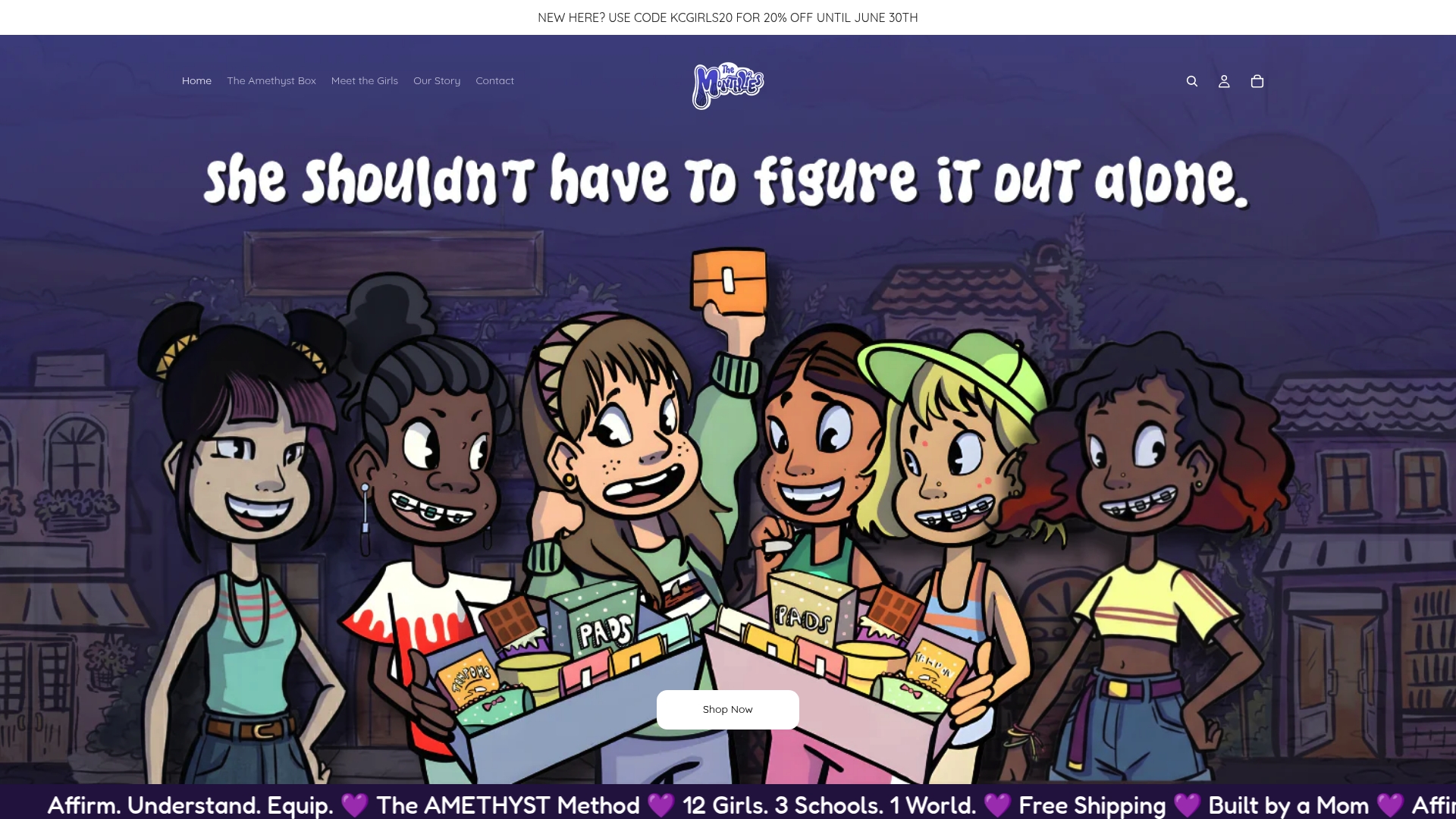
If the advice in this guide resonates and you want a ready-made way to put it into practice, the Amethyst Box from Themonthliesbox brings the Affirm, Understand, and Equip method to life in one curated kit. It includes age-appropriate educational materials, affirmations written specifically for young girls, and practical period supplies, so the first period arrives with support already in place rather than scrambling to find it.
For families who want a more comprehensive experience, the Monthlies Deluxe Box adds self-care items and comfort extras. Themonthliesbox is built around the belief that preparation is the most powerful antidote to fear. Visit the Amethyst Box page to see what is included and choose the option that fits your family.
This article is general educational information, not medical advice. For questions about your specific situation, please consult a qualified healthcare provider or check current guidance from your primary care source.
Useful sources and further reading
The figures and guidance in this article draw from the following authoritative sources. Each one is worth bookmarking for ongoing reference.
| Source | What it covers |
|---|---|
| Office on Women’s Health | Average blood loss, cycle basics, and what to expect from a healthy menstrual cycle |
| NHS: Periods | Cycle length ranges, bleeding duration, PMS, and when to seek medical help |
| MedlinePlus: Menstruation | Clinical red flags and when to contact a healthcare provider |
| Mayo Clinic: Menstrual cycle | Cycle tracking, normal variation, and distinguishing routine fluctuation from concerning changes |
| Cleveland Clinic: Menstrual cycle overview | Adult cycle ranges and red-flag patterns that warrant medical review |
| Period Education Project | Common menstrual myths debunked with evidence; adolescent cycle variation explained |
| UNICEF | Guidance on menstrual health education and the role of open conversation in reducing stigma |
| Nationwide Children’s Hospital | Exercise as a nonpharmacologic tool for managing menstrual symptoms |
For medical concerns, your primary care provider or a gynecologist is the right first contact. For educational support and preparation tools, Themonthliesbox and the sources above are a strong starting point.
0 comments